Why Do Screw Accessories Matter More Than Most Buyers Expect?
Article Summary
Many buyers focus on the screw itself and overlook the parts that support, align, protect, and stabilize the entire transmission system. In actual operation, however, the long-term performance of a screw assembly often depends on the quality and compatibility of its accessories. This article explains how the right screw accessories help reduce vibration, improve positioning stability, extend service life, simplify maintenance, and lower hidden operating costs. It also covers what buyers should look for when choosing accessories for automation, machinery, and precision motion applications, while naturally introducing the manufacturing capabilities of Suzhou Maitu Screw Rod Manufacturing Co., Ltd..
Table of Contents
- What Will This Article Cover?
- Why Are Screw Accessories So Important in Real Applications?
- What Problems Do Buyers Usually Face Without the Right Accessories?
- Which Screw Accessories Deserve Special Attention?
- How Should Buyers Choose Screw Accessories for Different Working Conditions?
- How Do Good Accessories Reduce Hidden Costs Over Time?
- Why Does Supplier Capability Matter When Buying Screw Accessories?
- What Questions Do Buyers Often Ask?
- What Should You Do Before Placing an Order?
What Will This Article Cover?
- How screw accessories influence precision, rigidity, and service life
- Common buyer pain points during selection, assembly, and operation
- Key accessory types that support screw-based motion systems
- Practical methods for matching accessories with application demands
- How reliable sourcing improves consistency, delivery, and technical support
Why Are Screw Accessories So Important in Real Applications?

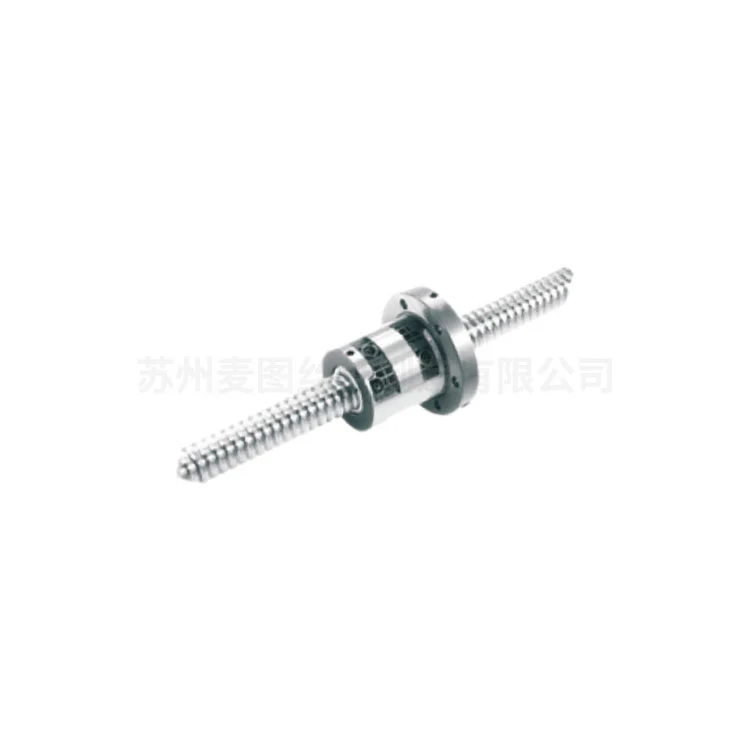
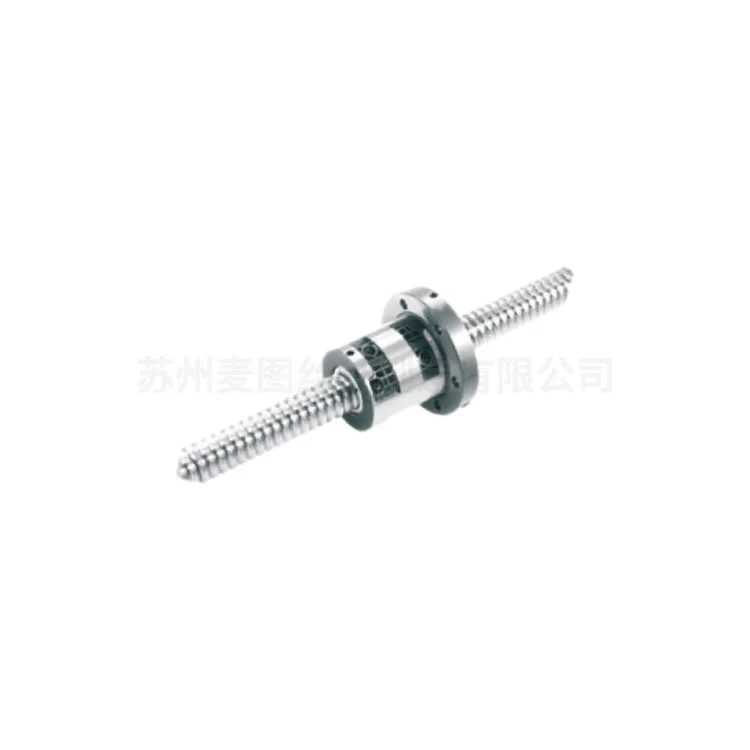
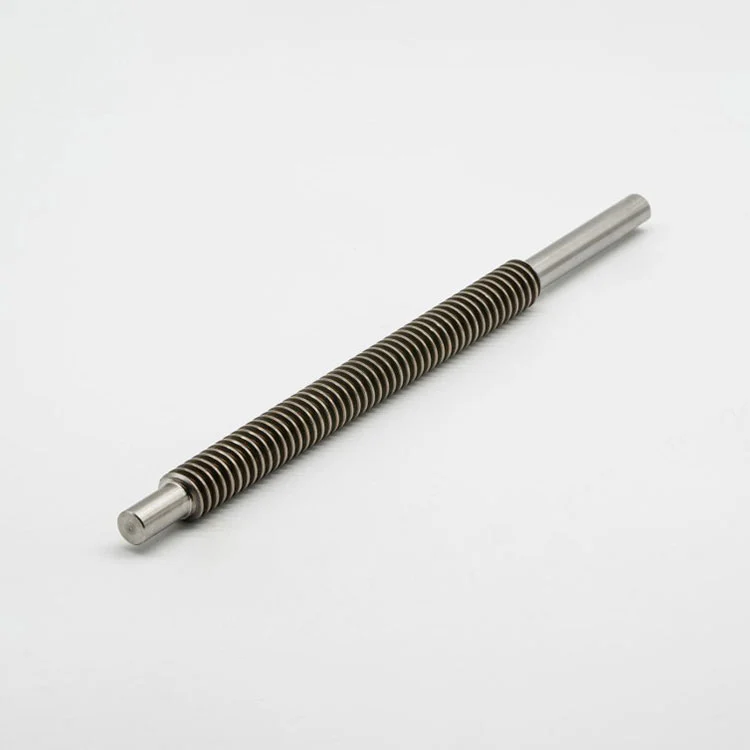
Buyers often compare lead accuracy, thread form, material, and machining quality when evaluating a screw assembly. That is understandable, but it only tells part of the story. A motion system is never defined by one component alone. Even an accurately made screw can perform below expectations if the supporting accessories are poorly matched, loosely assembled, or inconsistent in quality.
In real production environments, accessories are the parts that help the screw operate as a complete system rather than as a standalone mechanical element. They influence axial support, alignment, sealing, connection stability, installation efficiency, and running smoothness. When accessories are selected properly, the entire system feels more controlled and dependable. When they are neglected, the result is often vibration, noise, premature wear, positioning drift, or time-consuming maintenance.
This is exactly why more industrial buyers now pay attention to integrated sourcing. Instead of purchasing the screw from one supplier and trying to match support units, couplings, holders, or protective components elsewhere, they prefer a coordinated solution. Suzhou Maitu Screw Rod Manufacturing Co., Ltd. serves this practical demand by offering screw-related components that are designed to work together more smoothly in motion applications.
What buyers usually want
- Stable linear motion without frequent readjustment
- Better assembly efficiency during production or maintenance
- Longer operating life under repeated load cycles
- Less vibration, less backlash-related trouble, and fewer shutdowns
- Faster response when custom dimensions or matching parts are needed
What Problems Do Buyers Usually Face Without the Right Accessories?
One of the most expensive mistakes in transmission system purchasing is assuming that “close enough” is good enough. In theory, a similar-size accessory may look compatible. In practice, small mismatches can create very real operating problems.
Some users discover that their system cannot maintain stable precision after installation. Others find that assembly takes much longer than expected because mounting interfaces do not align as planned. There are also cases where a machine runs normally during testing but develops noise, heat, or irregular wear after a relatively short time in service. These issues are often blamed on the screw itself even when the real cause lies in the supporting accessories.
Common buyer pain points include:
- Poor alignment that accelerates wear and affects motion accuracy
- Insufficient support rigidity that causes vibration under load
- Low assembly efficiency because parts require secondary modification
- Inadequate protection that allows contaminants to shorten component life
- Unclear compatibility when multiple suppliers provide different tolerances
- Higher maintenance cost caused by frequent replacement or troubleshooting
For buyers under pressure to control lead times and reduce after-sales issues, these are not minor inconveniences. They directly affect project delivery, machine uptime, and customer confidence.
Which Screw Accessories Deserve Special Attention?
Not every application needs the same configuration, but several accessory categories repeatedly prove critical in screw-based assemblies. Understanding their role helps buyers avoid oversimplified decisions.
| Accessory Type | Main Function | Why It Matters to Buyers |
|---|---|---|
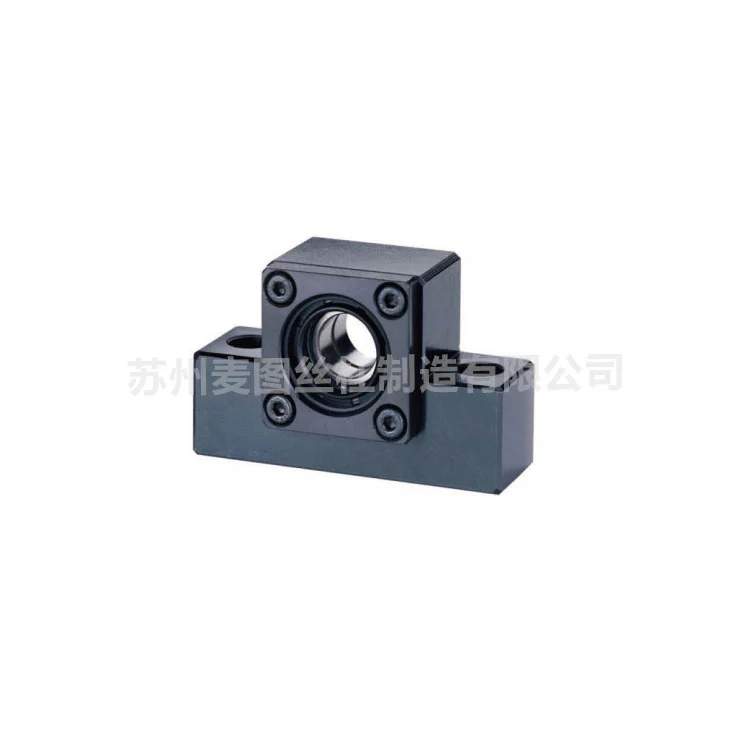
| Support Units | Provide fixed-side and supported-side stability for the screw shaft | Improve rigidity, reduce axial movement, and help maintain motion consistency |
| Couplings | Connect the screw to the motor or drive source | Influence transmission smoothness, torque delivery, and alignment tolerance |
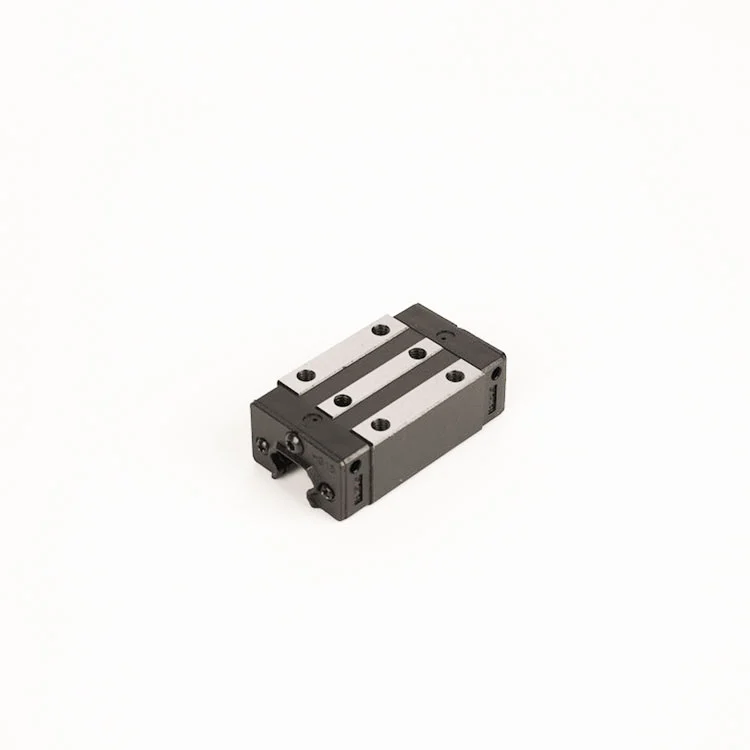
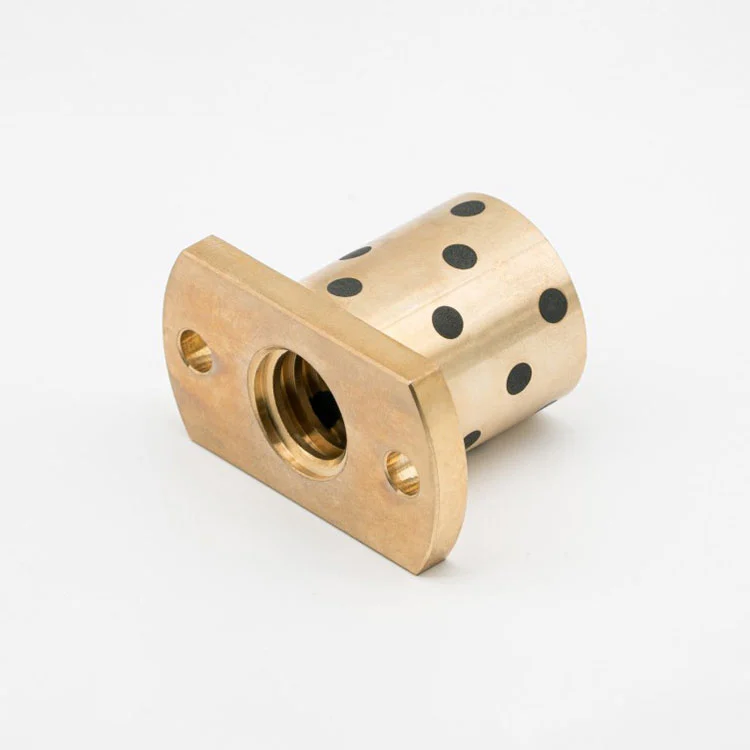
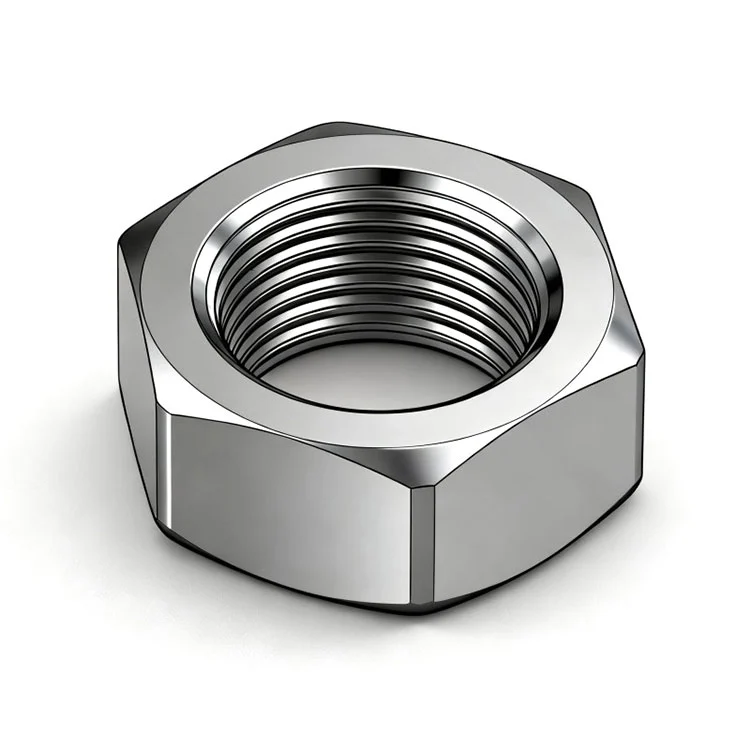
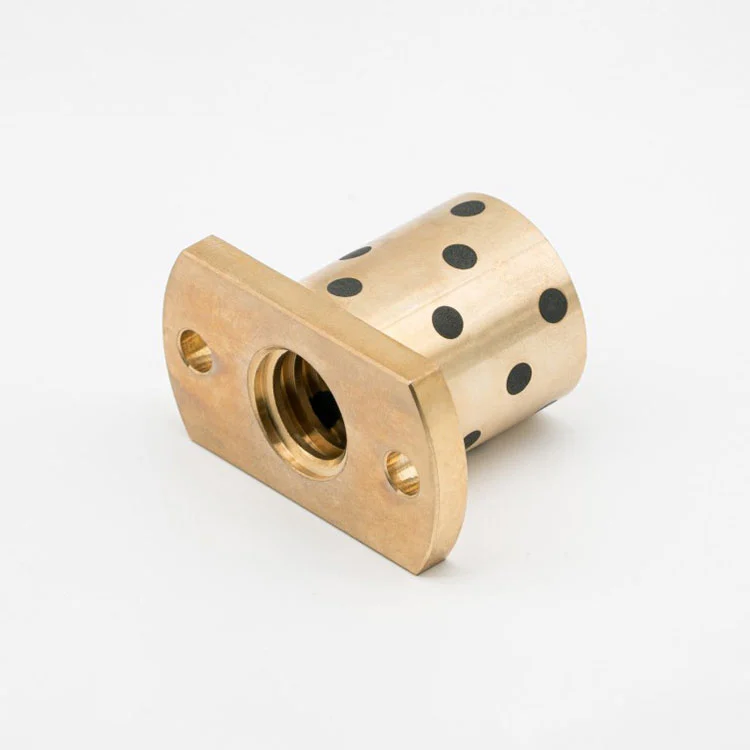
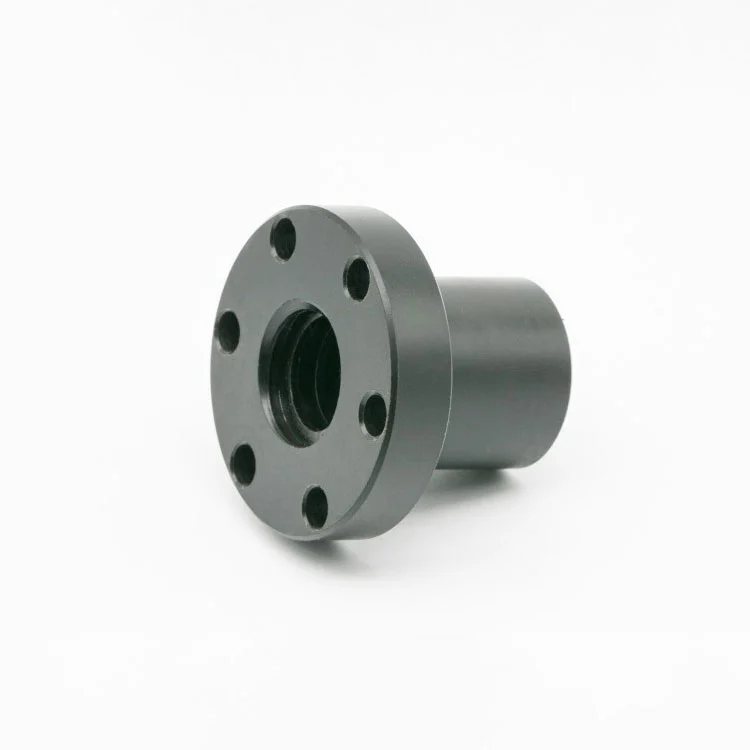
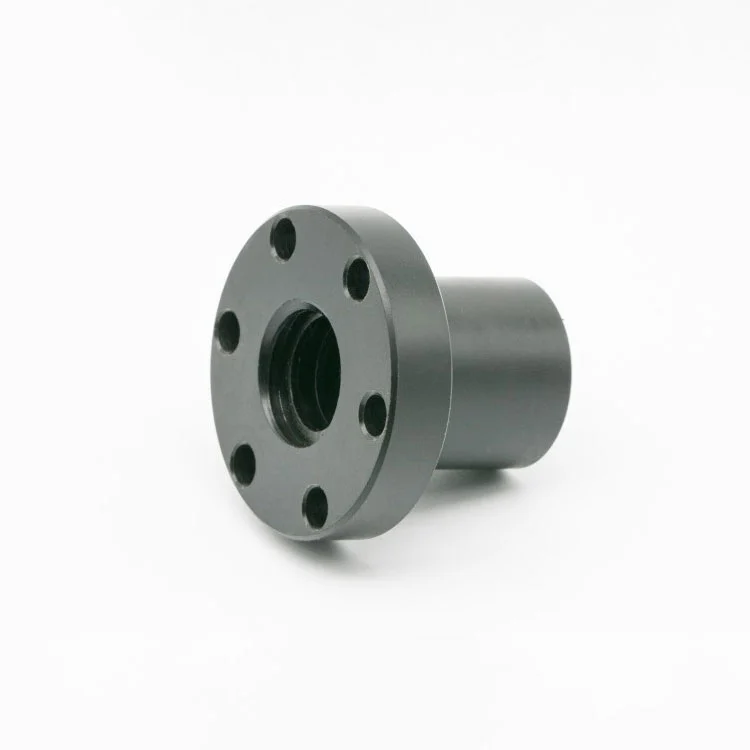
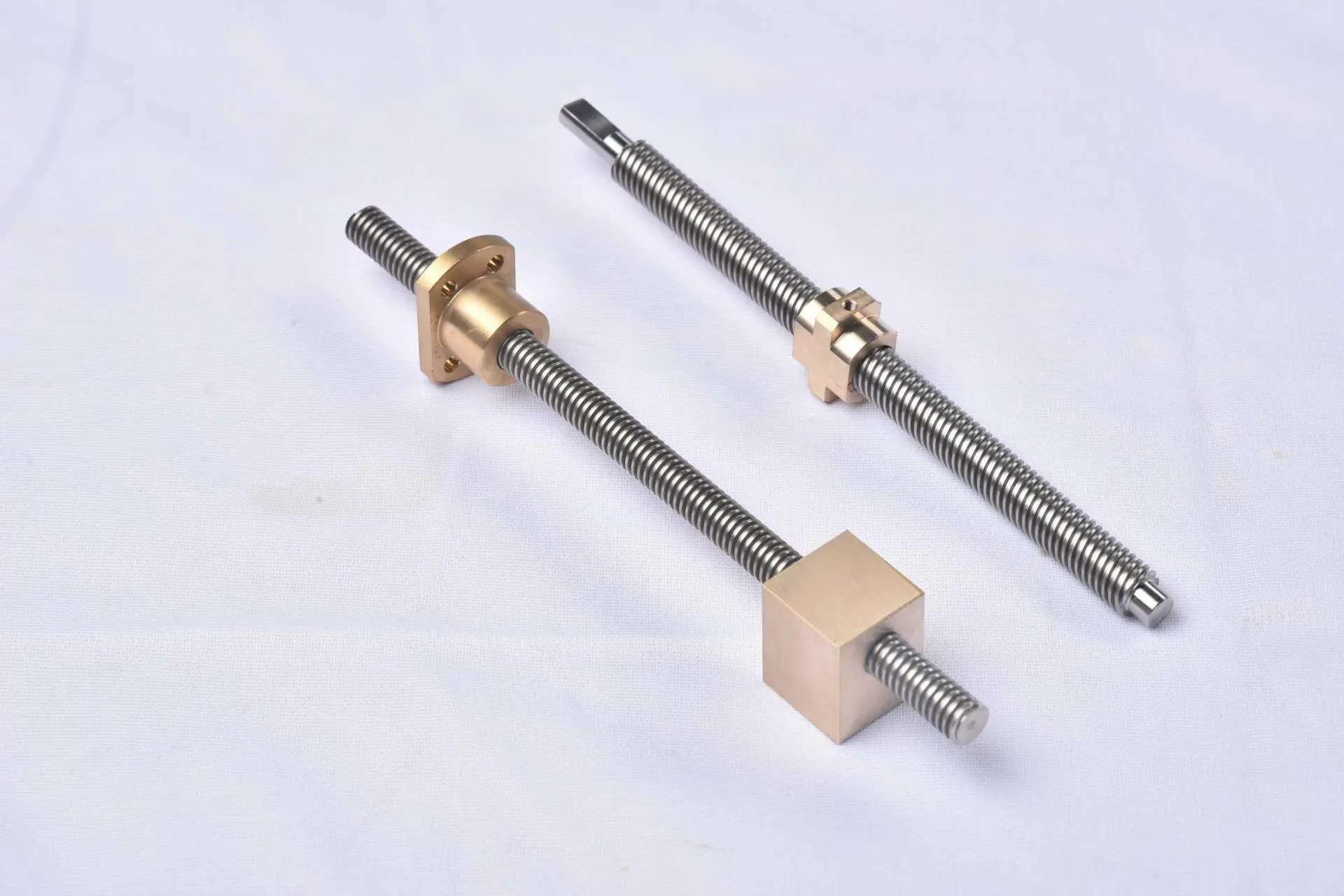
| Nut Holders or Nut Housings | Secure the nut within the assembly structure | Support installation accuracy and simplify structural integration |
| Wipers or Protective Elements | Reduce contamination from dust, debris, or particles | Help extend service life in demanding production environments |
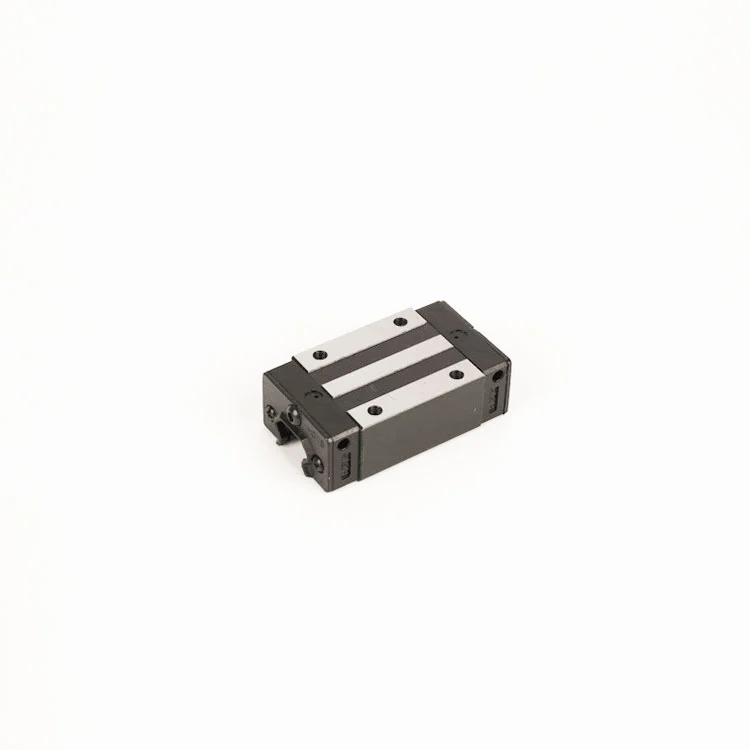
| Mounting Components | Assist with fastening and mechanical positioning | Improve installation efficiency and system reliability |
Among these, support units are especially important because they directly affect how the screw behaves under motion. If the fixed side and supported side are not matched appropriately, the screw may not maintain the intended mechanical stability, particularly at higher speed or under repetitive loading.
That is why buyers increasingly look for suppliers who understand the whole assembly relationship rather than only offering isolated parts. When accessories are considered from the beginning of the design or procurement process, the system becomes easier to build and more dependable to run.
How Should Buyers Choose Screw Accessories for Different Working Conditions?
The best selection method starts with the application, not the catalog. Buyers should ask how the system will actually be used. Is the load light or heavy? Is speed moderate or high? Will the assembly work in a clean automation environment or in a dusty industrial setting? Is the goal simple transport motion or repeatable precision positioning? Once those questions are clear, accessory selection becomes far more practical.
Here are several factors worth evaluating before purchasing:
- Load condition — Higher loads often require stronger support and more rigid connection structures.
- Speed requirement — Faster movement places greater demands on balance, alignment, and connection quality.
- Precision target — Applications with tighter positioning expectations need better compatibility across the full assembly.
- Operating environment — Dust, vibration, moisture, and contaminants raise the importance of protective accessories.
- Installation constraints — Limited space or special mounting directions may require custom structural adaptation.
- Maintenance expectations — Buyers who want easier serviceability should consider how components can be replaced or adjusted later.
A buyer selecting accessories for packaging equipment may focus on smooth operation and assembly convenience. A buyer working on industrial automation may care more about long-cycle reliability. A buyer building customized machinery may need support for non-standard dimensions or application-specific matching. These use cases are different, which is why a one-size-fits-all selection approach rarely works well.
In many cases, the value of a supplier lies not only in product availability but also in how clearly they can help the buyer narrow the right configuration. That is one reason manufacturers like Suzhou Maitu Screw Rod Manufacturing Co., Ltd. attract attention from global buyers looking for coordinated screw and accessory support rather than fragmented purchasing.
How Do Good Accessories Reduce Hidden Costs Over Time?
Price is easy to compare. Hidden cost is not. Many projects appear cheaper at the quotation stage because lower-grade accessories reduce the initial purchase amount. The problem shows up later through lost time, unstable performance, extra labor, or unscheduled replacement.
| Buying Approach | Short-Term Result | Long-Term Effect |
|---|---|---|
| Choosing low-cost accessories without system matching | Lower upfront price | Higher risk of assembly trouble, wear, vibration, and maintenance interruption |
| Choosing coordinated accessories with technical matching | More controlled purchasing decision | Better service life, smoother integration, and lower total operating cost |
| Buying from multiple unrelated sources | Wider sourcing flexibility | Greater compatibility uncertainty and more communication complexity |
| Buying from a supplier with integrated screw-related capability | Simpler sourcing process | Improved consistency, faster support, and more reliable project execution |
Hidden cost often appears in the form of rework. If the accessory fit is not ideal, assembly teams may need to adjust interfaces manually. If vibration develops after installation, engineers spend time tracing the cause. If contamination enters an insufficiently protected system, replacement cycles arrive sooner than expected. All of that consumes labor, machine time, and operational confidence.
From a buyer’s perspective, this is why dependable accessories are not just parts. They are cost-control tools. Good accessories help protect the value of the entire machine.
Why Does Supplier Capability Matter When Buying Screw Accessories?
Industrial buyers do not only purchase products. They purchase predictability. A capable supplier helps reduce uncertainty in dimensions, lead time, fit, and follow-up support. That becomes especially important when the project involves custom requirements, repeat orders, or export delivery expectations.
A reliable supplier of screw accessories should be able to do more than simply list product names. Buyers usually benefit most when the supplier can support:
- Clear product matching for different screw systems
- Consistent manufacturing quality across repeat batches
- Fast feedback on drawings, dimensions, or customization requests
- Stable communication for technical confirmation and order handling
- Supply chain flexibility for standard and non-standard components
This is where Suzhou Maitu Screw Rod Manufacturing Co., Ltd. becomes relevant in buyer discussions. For customers who need screw-related products and matching accessories as part of a broader motion solution, a supplier with coordinated manufacturing and supply capability can simplify the process significantly. Instead of solving one part at a time, buyers can move toward a more integrated purchasing path.
That matters even more in international sourcing, where delays caused by incomplete matching or repeated communication can affect the full production timeline.
What Questions Do Buyers Often Ask?
Can I buy screw accessories separately from the screw itself?
Yes, but buyers should confirm compatibility carefully. Dimensions alone are not always enough. Support structure, tolerance coordination, installation method, and actual operating condition all matter.
Do support units really affect the performance of the whole system?
Absolutely. They influence rigidity, axial support, and motion stability. Poor support matching can reduce accuracy and accelerate wear even if the screw itself is well made.
Are standard accessories always suitable for custom machinery?
Not always. Standard parts may work for common assemblies, but custom equipment often needs closer attention to structure, mounting space, and load condition. Early matching saves time later.
What is the biggest mistake buyers make when sourcing screw accessories?
The most common mistake is treating accessories as low-priority add-ons instead of critical operating components. That mindset often leads to mismatch, rework, and unnecessary maintenance cost.
How can I reduce risk when choosing a supplier?
Choose a supplier that can explain product matching clearly, respond to technical questions efficiently, and support both standard and custom requirements with stable delivery capability.
What Should You Do Before Placing an Order?
If you are reviewing a motion project, upgrading an existing assembly, or planning a new machine build, do not evaluate the screw in isolation. Look at the complete mechanical relationship around it. The right accessories can make installation easier, operation smoother, and long-term performance more predictable. They can also protect your budget from hidden maintenance and replacement costs that do not show up in the first quotation.
A more thoughtful purchasing decision starts with asking the right questions about load, speed, precision, environment, and compatibility. Once those factors are clear, it becomes much easier to identify a solution that is not only workable on paper but dependable in actual service.
If you are looking for a more reliable source of screw-related components, Suzhou Maitu Screw Rod Manufacturing Co., Ltd. can support your project with practical product matching and responsive manufacturing service. Whether you need standard options or a more tailored solution, now is a good time to review your requirements, compare system needs, and contact us for the next step.
Back to Table of Contents
Related News
- Can PEEK Trapezoidal Screw Nuts Withstand Regular Disinfection in Pharmaceutical Cleanrooms?
- How To Maintain PEEK Trapezoidal Screw Nuts On Textile Production Equipment?
- How Does PEEK Trapezoidal Screw Nut Reduce Textile Machine Downtime?
- How Can a C7 Large Lead Ball Screw for Material Handling Improve Speed, Precision, and Heavy-Duty Performance
- How Can Ultra Precision Linear Guides Improve Accuracy, Stability, and Reliability in Modern Motion Systems
- Why Is the C7 High Speed Large Lead Rolled Ball Screw for Robots a Smart Choice for Fast and Reliable Automation
Leave me a message