How Does PEEK Trapezoidal Screw Nut Reduce Textile Machine Downtime?
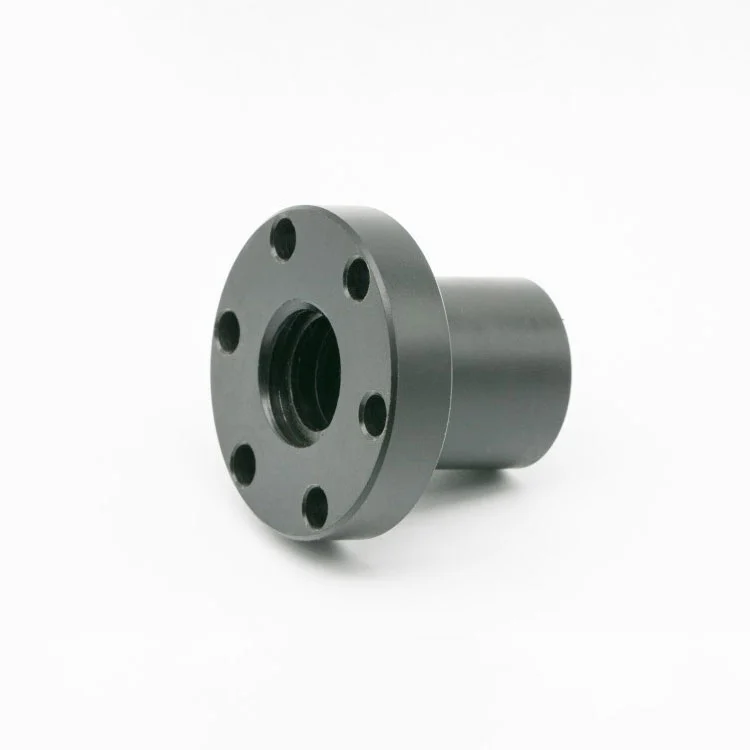
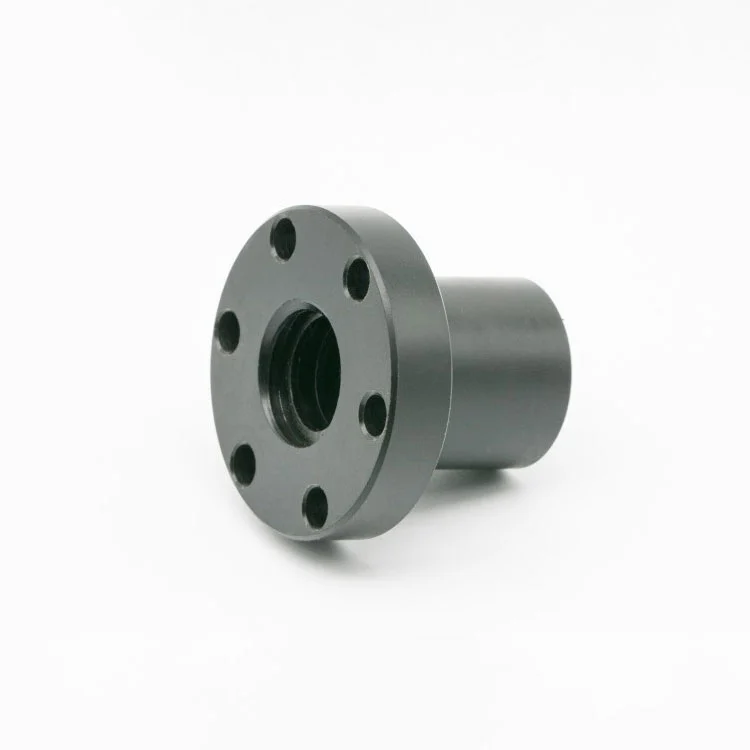
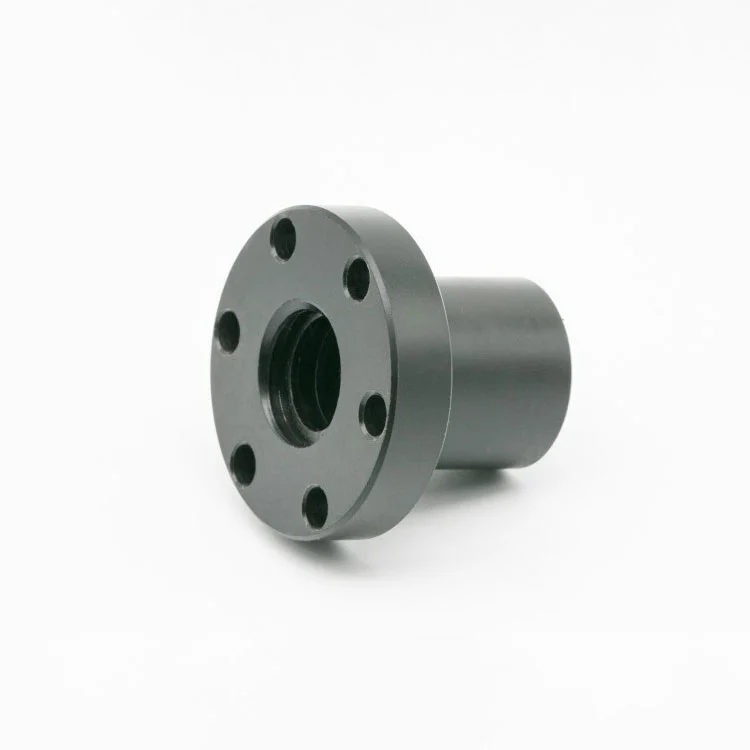
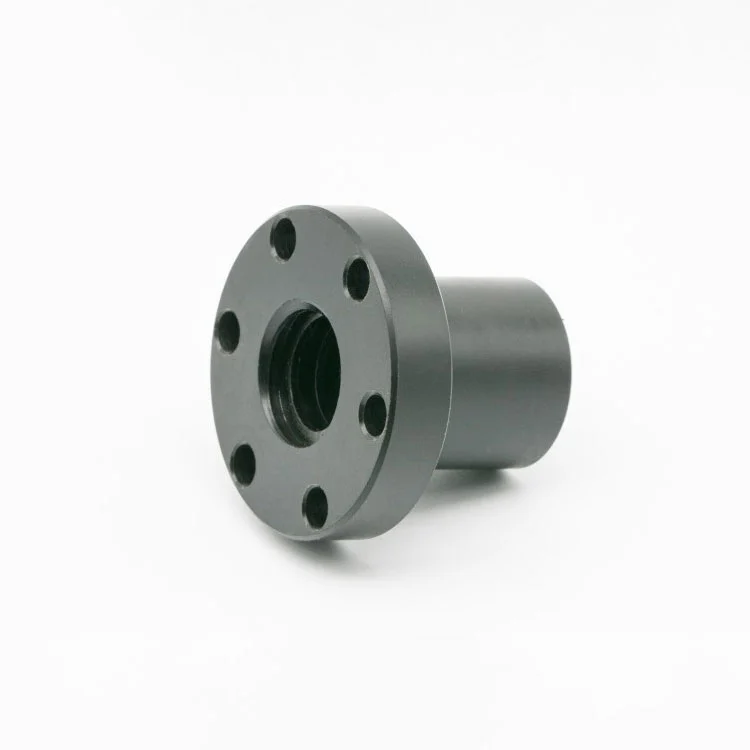
Unplanned downtime is one of the biggest profit killers for textile manufacturers. Every unexpected stop on spinning frames, air-jet looms or setting machines wastes yarn, disrupts production schedules and raises labour and maintenance costs. Traditional brass or standard plastic trapezoidal screw nuts frequently suffer from fiber clogging, oil erosion, thermal deformation and rapid wear, triggering frequent breakdowns. Maitu Modified PEEK trapezoidal screw nuts purpose-built for textile machinery solve these root causes and drastically lower machine idle time.
Root Causes Of Downtime From Conventional Screw Nuts
Textile workshops are harsh operating environments. Flying staple fibers, lubricating oils, finishing auxiliaries and high humidity constantly attack linear transmission assemblies.
1. Fine textile fibers creep into thread gaps, accumulate and jam the nut-screw pair, halting motion.2. Textile oil and chemical additives corrode metal nuts, causing seizure and dimensional drift.
3. Repeated high-speed cyclic operation accelerates wear; worn nuts create unstable tension and uneven fabric, generating defective products.
4. Thermal expansion under high workshop temperature leads to jamming and inaccurate positioning.
How PEEK Trapezoidal Screw Nuts Eliminate These Downtime Triggers
Sealed integrated structure blocks fiber and dust ingress
The custom sealed design prevents cotton, glass fiber and dust from lodging inside thread profiles. It removes the most common failure mode: thread blockage. Continuous transmission stays stable without frequent disassembly and cleaning.
Textile-grade modified PEEK delivers superior wear performance
This modified PEEK material delivers wear resistance 3–4 times higher than standard PEEK and 5–6 times better than traditional metal nuts. Rated for up to 800 cycles per hour, it withstands long continuous high-speed operation without premature thread wear. Longer service life reduces replacement frequency and stops associated with part change-outs. Under proper maintenance, service life can reach 8–12 years.
Resistance to textile oils, auxiliaries and high-humidity heat
The material maintains stable mechanical properties at continuous temperatures up to 250°C and within 60–90% relative humidity. It resists degradation from textile lubricants and finishing chemicals, avoiding swelling, cracking or deformation that would force emergency shutdowns in dyeing and setting workshops.
Low-friction self-lubricating performance reduces seizure risk
PEEK’s low friction coefficient (0.1–0.28) enables smooth, low-noise operation. It does not rely heavily on external lubricants, reducing risks of oil contamination and lubrication-related failures. The nut retains positioning accuracy even under frequent fluctuating heavy loads.
Real-World Production Impact
For ring spinning frames, air-jet looms and winding machines, fewer sudden jams mean consistent yarn tension and stable weft insertion. Less fluctuation in transmission directly reduces yarn breakage and fabric defects. Manufacturers cut unplanned downtime, lower spare part inventory and reduce maintenance labour hours.
PEEK Trapezoidal Nut VS Traditional Metal Nut
| Item | PEEK Trapezoidal Screw Nut for Textile Machinery | Conventional Metal Screw Nut |
|---|---|---|
| Fiber clog risk | Low, sealed anti-fiber structure | High, fibers easily build up in threads |
| Wear life | 8–12 years under normal maintenance | 2–4 years |
| Chemical / oil resistance | Excellent, resistant to textile auxiliaries | Vulnerable to corrosion from oils & chemicals |
| Operating noise | Low noise, reduces workshop noise up to 20 dB | Higher friction, louder operation |
| Self-lubricating | Yes, minimal extra lubrication needed | Requires regular oil refilling |
| Risk of seizure in high humidity | Minimal | High |
Application Scenarios Where Downtime Reduction Is Most Noticeable
1. Ring spinning, rotor spinning and roving frames: Stable tension control cuts yarn breakage events.2. Air-jet, water-jet and rapier looms: Consistent weft insertion prevents fabric quality defects and machine stops.
3. Dyeing, setting and printing machines: Retains shape under high heat and chemical exposure.
4. Winding, warping and sizing equipment: Precise tension control reduces material waste.
5. Special textile lines: Glass fiber, carbon fiber and nonwoven production.
Key Tips To Maximize Service Life & Minimize Stops
1. Install in clean conditions, clear all fibers and oil residue before assembly.2. Avoid eccentric mounting or over-torque fastening to prevent uneven thread wear.
3. Periodically inspect the nut every 4–6 months for thread wear and abnormal noise.
4. Clean accumulated fibers weekly for high-oil production lines.
5. No mandatory lubrication required; small amount of textile-specific lubricant is optional for heavy-load running.
FAQ
Q1: Does PEEK trapezoidal nut still need regular maintenance?
A: It requires far less maintenance than metal nuts. Routine cleaning and 4–6 monthly inspections are recommended to clear fiber buildup and check thread wear.
Q2: Can this PEEK nut work in high humidity dyeing workshops?
A: Yes. The modified PEEK maintains dimensional stability in 60–90% humidity and continuous temperature up to 250°C, resisting deformation and jamming.
Q3: Can you supply custom PEEK trapezoidal nuts for non-standard textile machinery?
A: Yes. Custom sizes, thread pitches, sealed structures and material modification are available according to drawings, load requirements and workshop environment.
Q4: Is free sample available for textile machine performance verification?
A: We provide samples for testing and can deliver wear, high-temperature and chemical resistance test reports to validate compatibility before bulk orders.
Call to Action
If you are looking to cut unplanned downtime and lower maintenance costs on textile production lines, contact us for PEEK trapezoidal screw nut samples and technical consultation. Our engineering team can recommend matched specifications for your spinning, weaving or finishing equipment.
Related News
- Can PEEK Trapezoidal Screw Nuts Withstand Regular Disinfection in Pharmaceutical Cleanrooms?
- How To Maintain PEEK Trapezoidal Screw Nuts On Textile Production Equipment?
- How Can a C7 Large Lead Ball Screw for Material Handling Improve Speed, Precision, and Heavy-Duty Performance
- How Can Ultra Precision Linear Guides Improve Accuracy, Stability, and Reliability in Modern Motion Systems
- Why Is the C7 High Speed Large Lead Rolled Ball Screw for Robots a Smart Choice for Fast and Reliable Automation
- Why Is Peek Trapezoidal Screw Nut for Textile Machinery a Smarter Choice for High-Speed Textile Production
Leave me a message