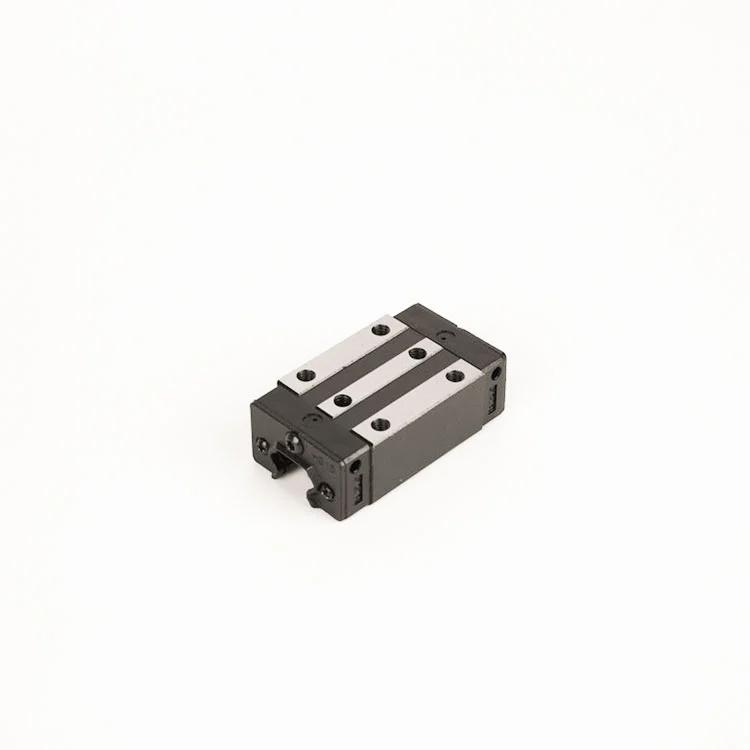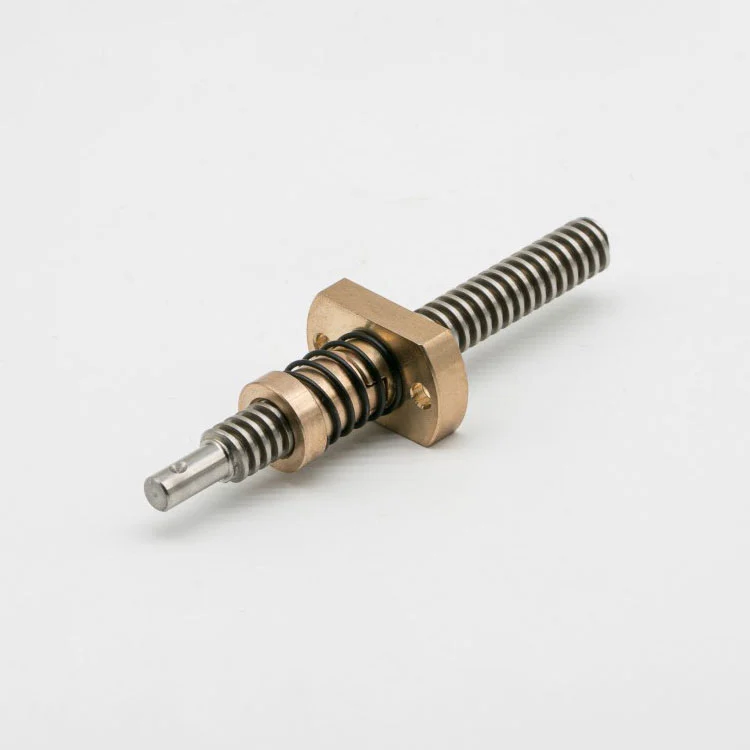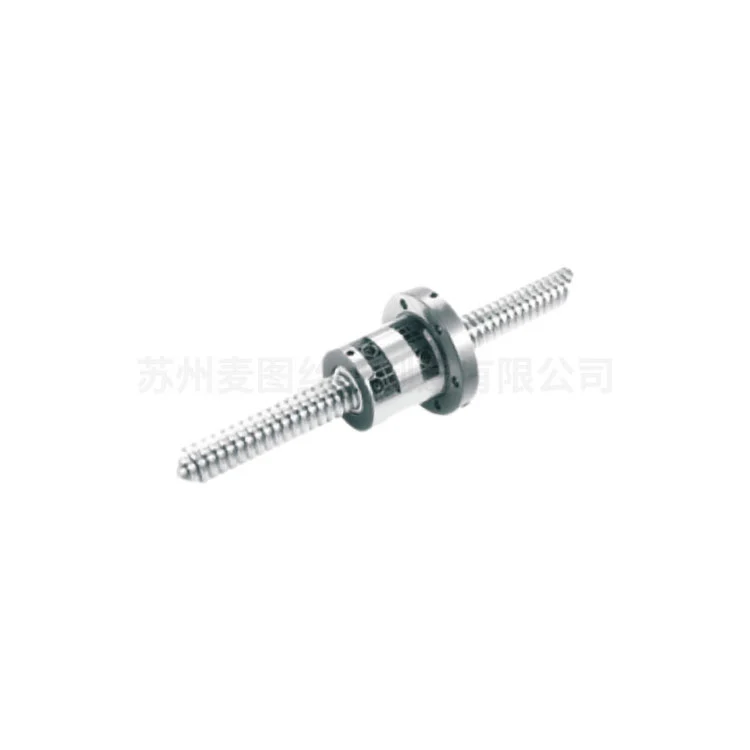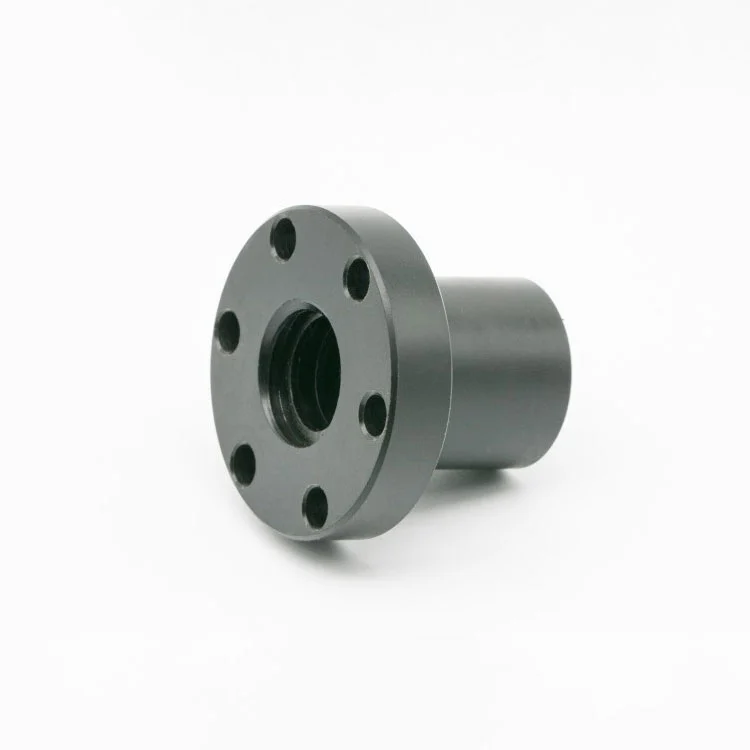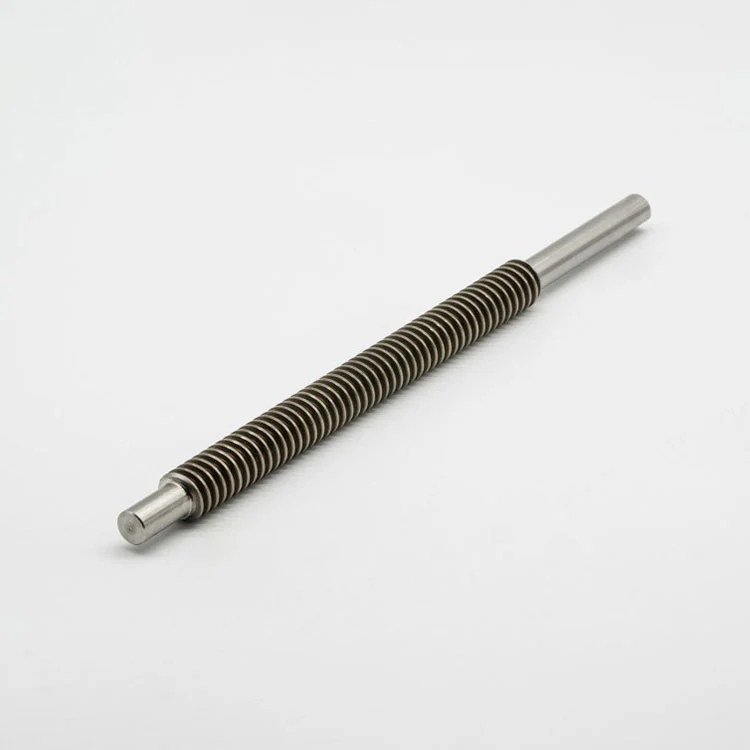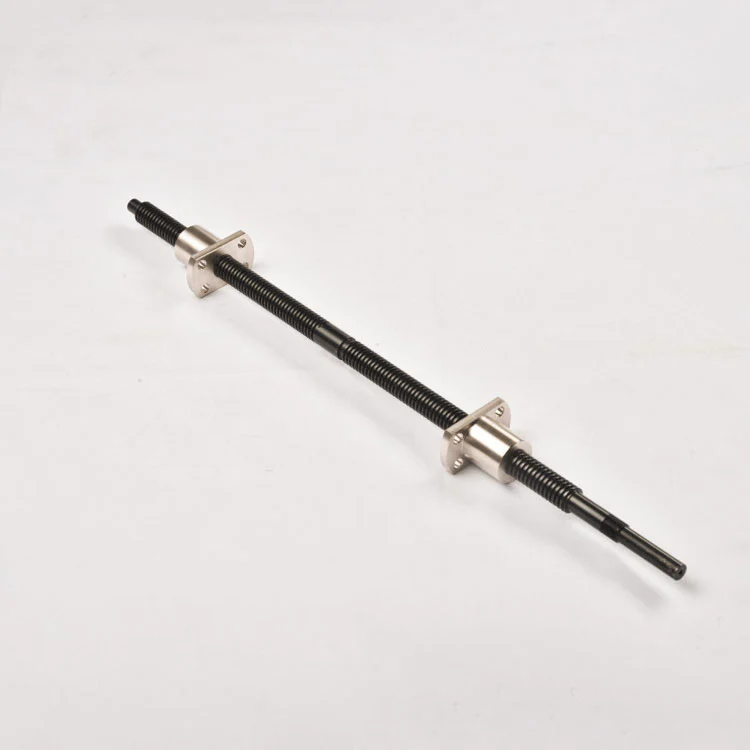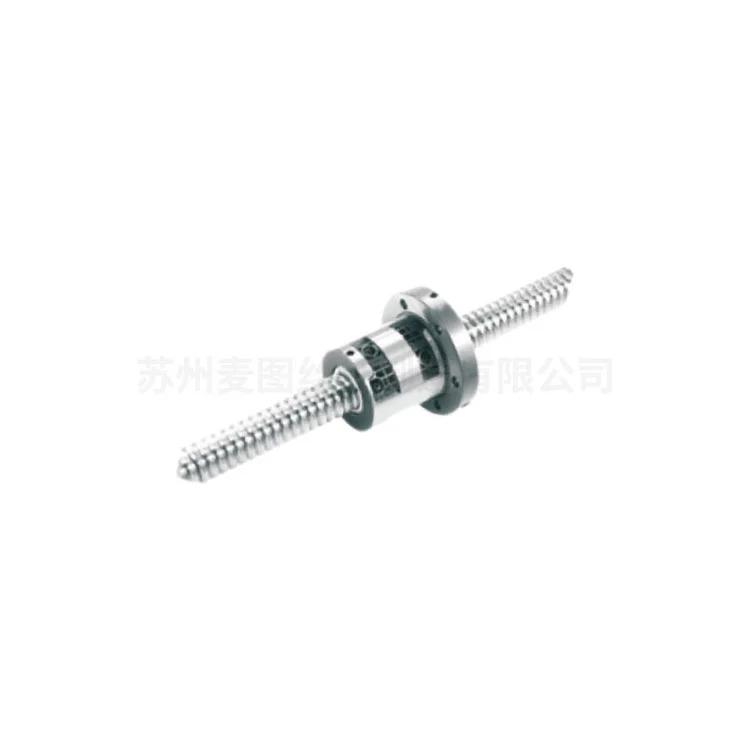
Article Summary: Material handling equipment requires fast linear movement, reliable positioning, high load capacity, and stable operation under frequent start-stop conditions. The C7 Large Lead Ball Screw for Material Handling from Maitu combines C7 precision, large-lead transmission, high-strength construction, and customized configurations to support AGVs, warehouse stackers, lifting platforms, material handling robots, and automated logistics systems.
Table of Contents
- Why Does Material Handling Need a C7 Large Lead Ball Screw?
- What Are the Core Features?
- What Specifications Should Buyers Compare?
- How Does It Improve Material Handling Performance?
- Where Is It Used?
- How Should You Select the Right Model?
- What Maintenance Practices Extend Service Life?
- Frequently Asked Questions
Why Does Material Handling Need a C7 Large Lead Ball Screw?
Modern material handling systems are expected to move increasingly heavy loads while maintaining short cycle times and repeatable positioning. Conventional mechanical transmission components may struggle when equipment must accelerate, decelerate, stop, reverse, and reposition repeatedly throughout the working day.
A ball screw converts rotary motor input into controlled linear movement through recirculating rolling balls between the screw and nut. This rolling-contact mechanism helps reduce friction while providing efficient and precise transmission. For material handling equipment, a large lead configuration adds another important advantage: the screw can achieve a longer linear travel per revolution.
Maitu's C7 Large Lead Ball Screw for Material Handling is developed specifically around these requirements. Its C7 precision grade, large-lead geometry, high-strength alloy steel construction, and load-oriented design make it suitable for demanding applications involving lifting, transferring, positioning, and automated movement.
According to the manufacturer's published specifications, selected configurations are designed for loads from approximately 500 kg to 5,000 kg, while customized designs can be developed according to application requirements. The product is also positioned for operation in workshops, warehouses, logistics centers, and other industrial environments.
What Are the Core Features?
1. Heavy-Duty Load-Bearing Construction
Material handling systems can experience not only static loads but also dynamic forces created during acceleration, deceleration, lifting, and stopping. The ball screw uses high-strength alloy steel and precision processing to support demanding load conditions.
- Designed for heavy-load transmission applications
- High resistance to impact generated during repeated movement
- Suitable for lifting and transferring heavy materials
- Available in customized dimensions for different equipment structures
2. C7 Precision for Controlled Positioning
Positioning accuracy matters when a material handling system must place products at a defined location. The published product information specifies a positioning error within ±0.02 mm, providing a useful precision reference for system designers.
This makes the configuration suitable for automated handling tasks where uncontrolled movement or positioning deviation could affect downstream operations.
3. Large Lead for Faster Linear Travel
Lead determines how far the nut travels axially during one revolution of the screw. A larger lead can provide greater linear travel per motor revolution, which is particularly useful when material handling equipment needs rapid movement across a relatively long stroke.
For this reason, a large-lead ball screw can help designers balance transmission speed, motor input, and equipment cycle time without simply increasing motor rotational speed.
4. Adaptability to Frequent Start-Stop Operation
AGVs, warehouse stackers, lifting platforms, transfer systems, and handling robots often operate through repeated acceleration and deceleration cycles. The product structure is designed to withstand impact and fatigue associated with these operating patterns.
5. Customizable Mechanical Configuration
Material handling machines rarely share identical dimensions. Maitu provides customized options for diameter, lead, direction, nut configuration, length, and other mechanical requirements. This allows engineers to select a transmission component according to the actual machine architecture rather than forcing a standard component into an unsuitable design.
What Specifications Should Buyers Compare?
Before purchasing a ball screw, engineers should evaluate diameter, lead, precision, nut type, stroke length, load requirements, and installation direction together. A component with a suitable diameter but an unsuitable lead or nut configuration may not deliver the expected system performance.
| Model | Precision | Diameter | Lead | Direction | Max. Length | Typical Application |
|---|---|---|---|---|---|---|
| SCR01610 | C7 | 16 mm | 10 mm | Right | 3000 mm | AGV |
| SCR02020 | C7 | 20 mm | 20 mm | Left/Right | 3000 mm | Warehouse Stacker |
| SCR02525 | C7 | 25 mm | 25 mm | Right | 6000 mm | Material Handling Robot |
| SCR03232 | C7 | 32 mm | 32 mm | Right | 6000 mm | Heavy-Duty Lifting Platform |
| Customized | C7 | 12–63 mm | 20–100 mm | Left/Right | Customized | Specialized Handling Equipment |
The published range demonstrates that the same product concept can cover different machine sizes and handling requirements. For customized equipment, load, speed, stroke, mounting dimensions, duty cycle, and environmental conditions should be provided before final specification.
How Does It Improve Material Handling Performance?
Higher Transmission Efficiency
The manufacturer states that the product can maintain mechanical efficiency above 90% during operation. High transmission efficiency helps reduce energy losses between the motor and linear mechanism, which can be valuable for equipment operating continuously or performing frequent motion cycles.
Faster Handling Cycles
The large-lead geometry allows more linear movement per revolution. This can help shorten travel time for lifting, transferring, positioning, and other repetitive handling processes.
Accurate Positioning
C7 precision supports controlled linear movement. In automated warehouses and production environments, repeatable positioning can help equipment align with conveyors, storage locations, workstations, and loading points.
Stable Heavy-Duty Operation
High-strength materials and impact-resistant structural design are important when the screw operates under heavy loads or frequent acceleration and deceleration. Correct sizing is still essential because actual load capacity depends on the complete mechanical system and operating conditions.
Where Is It Used?
The C7 Large Lead Ball Screw for Material Handling is applicable to a broad range of automated and industrial handling systems.
- Warehouse stackers: Supports lifting and positioning operations in storage systems.
- AGVs: Can be integrated into linear lifting or positioning mechanisms used by automated guided vehicles.
- Material handling robots: Provides linear transmission for automated transfer and positioning.
- Heavy-duty lifting platforms: Suitable for vertical movement where load capacity and positioning are important.
- Transfer carts: Supports controlled movement of raw materials, components, and finished products.
- Logistics equipment: Can be integrated into sorting, loading, unloading, and automated transfer systems.
- Industrial workshops: Helps automate the movement of materials between different production areas.
For complex automated systems, the ball screw should be evaluated together with the servo motor, coupling, linear guide, support bearing, lubrication system, and control system. The transmission component is only one part of the overall motion architecture.
How Should You Select the Right Model?
Selecting a ball screw should begin with the actual operating conditions rather than the product name alone. A practical selection process includes the following steps:
- Determine the load: Calculate the static and dynamic loads that the screw must support.
- Define the required travel: Establish the effective stroke and maximum screw length.
- Set the required speed: Determine the desired linear speed and calculate the corresponding screw rotational speed.
- Select the lead: A larger lead generally provides greater linear movement per revolution and can support high-speed travel.
- Confirm precision requirements: C7 may be appropriate for many general automation and material handling applications, while higher-precision systems may require another precision class.
- Check installation space: Confirm shaft diameter, nut dimensions, support structure, and available mounting space.
- Consider the environment: Dust, moisture, temperature, contamination, and corrosion risks should be considered before finalizing the configuration.
For a customized solution, Maitu recommends providing the equipment load, handling speed, installation dimensions, and working environment so its engineering team can assist with model matching and configuration.
What Maintenance Practices Extend Service Life?
Even a robust ball screw requires appropriate maintenance. Correct lubrication and contamination control are particularly important because debris can affect the rolling elements and raceway surfaces.
- Lubricate regularly: The published maintenance guidance recommends high-temperature, wear-resistant grease approximately every 120 operating hours, with adjustments according to actual working conditions.
- Keep the screw clean: Remove dust, chips, and other contaminants from the screw and nut area.
- Inspect the protective structure: Check dust covers and related protective components for damage.
- Avoid overload: Operating beyond the designed load range can accelerate wear and damage the screw or balls.
- Inspect regularly: Check fastening, thread wear, ball movement, vibration, positioning accuracy, and abnormal noise.
- Use professional service when necessary: Thread damage, ball jamming, or serious load-bearing problems should be assessed by qualified technicians.
Maintenance intervals should ultimately be adapted to actual duty cycle, contamination level, load, speed, lubrication type, and manufacturer recommendations.
Frequently Asked Questions
What load capacity is available?
The published product information indicates a load range of approximately 500 kg to 5,000 kg depending on the selected diameter and model. Actual allowable load should be confirmed through application-specific calculations.
Can it work in dusty warehouse environments?
Yes. The product is designed with dust-resistant and anti-corrosion considerations for industrial handling environments. Proper sealing, cleaning, and lubrication remain important for long-term operation.
Is it suitable for frequent start-stop applications?
Yes. Its design emphasizes impact resistance and fatigue performance for applications involving repeated acceleration, deceleration, starting, and stopping.
How do I choose the correct model?
Provide the required load, linear speed, stroke length, installation dimensions, operating direction, duty cycle, and environmental conditions. These parameters allow the appropriate diameter, lead, nut configuration, and overall specification to be evaluated.
Can the ball screw be customized?
Yes. Maitu offers customized configurations covering dimensions, lead, direction, nut type, length, and other requirements for specialized material handling equipment.
What is the warranty period?
The manufacturer's published product information specifies a 12-month warranty period for non-human-caused quality problems, subject to the applicable warranty terms.
Conclusion: Choosing the Right Transmission for Automated Handling
A well-selected ball screw can directly influence the speed, positioning consistency, energy efficiency, and operational stability of material handling equipment. The C7 Large Lead Ball Screw for Material Handling combines large-lead transmission with C7 precision, high-strength construction, and customization options for AGVs, warehouse stackers, handling robots, lifting platforms, and automated logistics equipment. For projects requiring specific load, speed, stroke, or installation configurations, learn more about the C7 Large Lead Ball Screw for Material Handling or contact us with your application requirements to discuss a suitable solution with Maitu's engineering team.