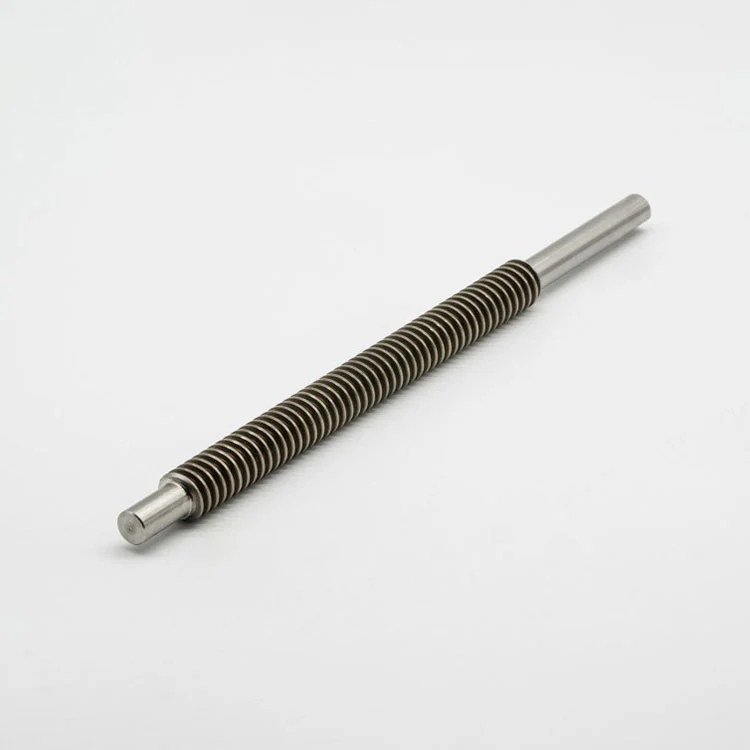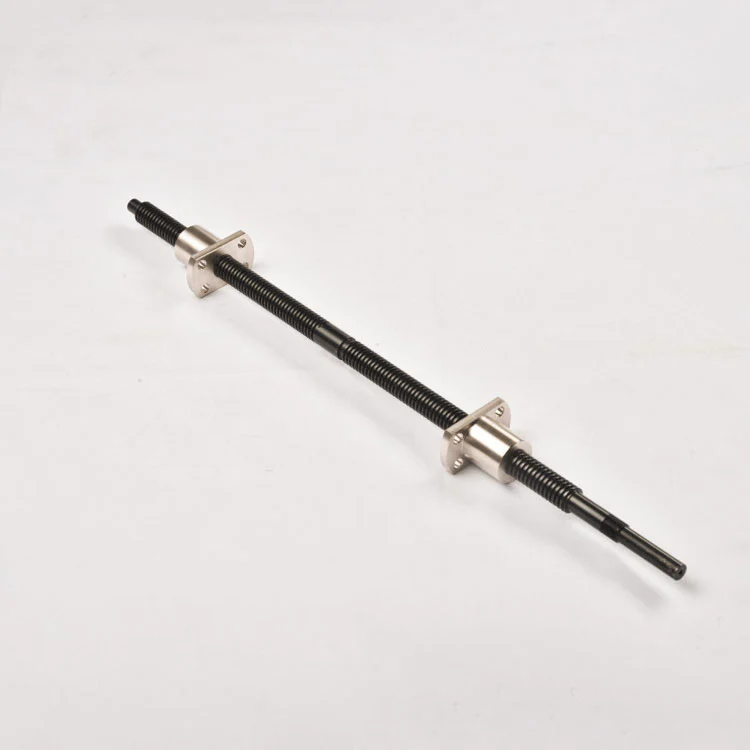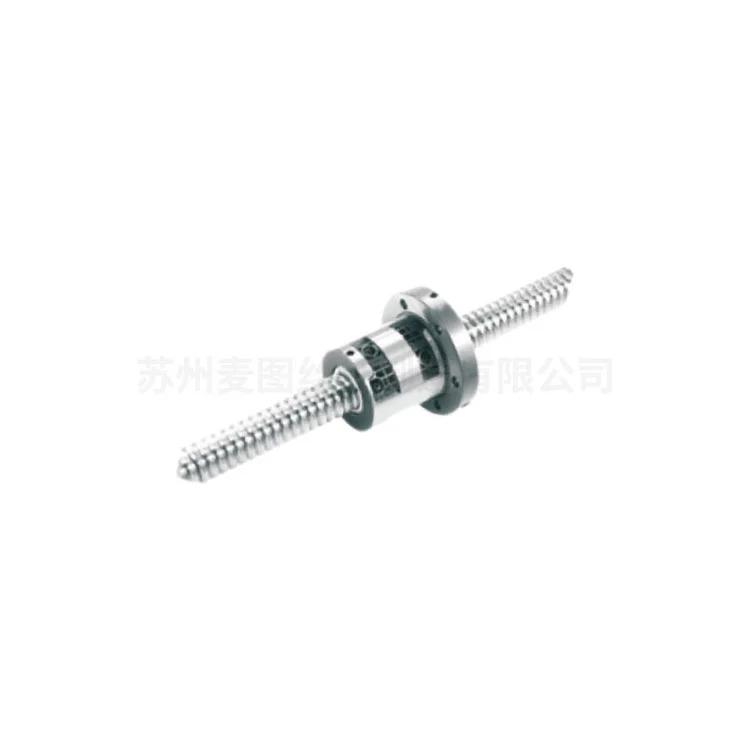
Why Is Peek Trapezoidal Screw Nut for Textile Machinery a Smarter Choice for High-Speed Textile Production
For textile equipment operating under high speed, heavy loads, oil contamination, humidity, and continuous fiber exposure, Maitu Peek Trapezoidal Screw Nut for Textile Machinery provides a durable linear transmission solution designed for stable, low-maintenance operation. Its modified PEEK construction, sealed design, and precision thread honing technology help textile machinery maintain smooth motion and reliable positioning during demanding production cycles.
The transmission system is one of the most important parts of modern textile machinery. Spinning frames, looms, winding machines, dyeing equipment, and other textile systems require components that can withstand repeated movement without excessive wear, dimensional instability, or contamination-related failure. The Peek Trapezoidal Screw Nut for Textile Machinery is designed specifically for these conditions.
Compared with conventional metal or ordinary plastic nuts, this specialized PEEK nut combines wear resistance, oil and chemical resistance, temperature adaptability, low friction, and protection against textile-fiber intrusion. Maitu also supports customization according to equipment drawings, thread specifications, dimensions, sealing requirements, and working conditions.
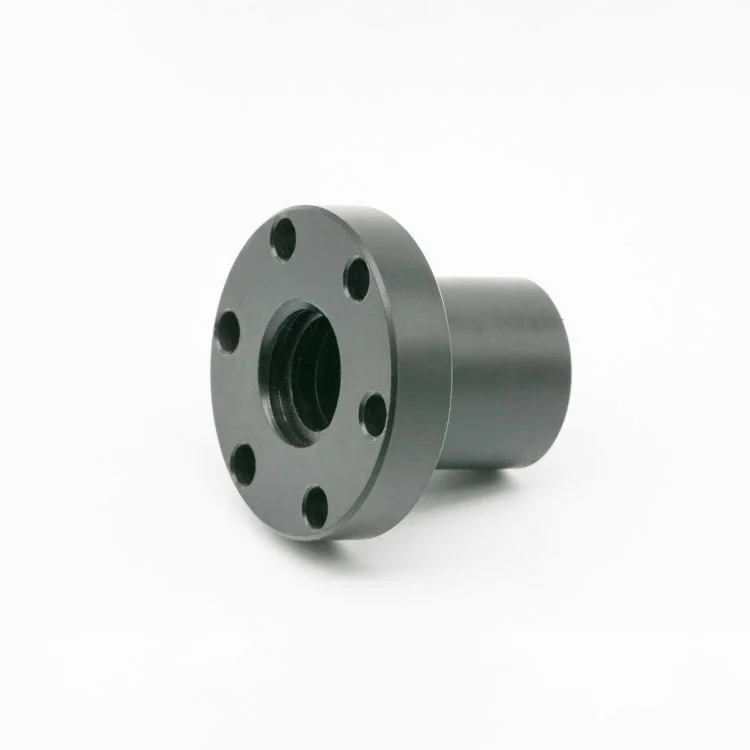
Table of Contents
- Why Does Textile Machinery Need Specialized Screw Nuts?
- Why Is PEEK Material Suitable for Textile Applications?
- What Are the Key Performance Features?
- What Are the Main Product Parameters?
- Where Can These Screw Nuts Be Used?
- Why Choose Maitu for Textile Machinery Screw Nuts?
- Can the Screw Nut Be Customized?
- How Should the Product Be Installed and Maintained?
- Frequently Asked Questions
- Final Takeaway
Why Does Textile Machinery Need Specialized Screw Nuts?
Textile production environments are considerably more demanding than many conventional industrial applications. Machinery may operate continuously at high speed while being exposed to textile fibers, dust, lubricating oils, processing chemicals, humidity, and frequent load changes.
A conventional screw nut may gradually experience thread wear, contamination, corrosion, dimensional changes, or increased friction. Once these problems appear, positioning accuracy and transmission stability can decline, potentially increasing maintenance requirements and production downtime.
The Peek Trapezoidal Screw Nut for Textile Machinery addresses these challenges through a combination of modified PEEK material, precision machining, and an integrated sealed structure. According to Maitu's product information, the component is designed for high-speed textile machinery operation of up to 800 cycles per hour while maintaining stable transmission performance.
Its main objectives include:
- Reducing wear during repetitive linear motion.
- Protecting the thread interface against textile fibers and dust.
- Maintaining stable performance in oily and chemically exposed environments.
- Supporting high-load transmission requirements.
- Reducing friction and operational noise.
- Extending maintenance intervals and component service life.
Why Is PEEK Material Suitable for Textile Applications?
PEEK, or polyether ether ketone, is an engineering thermoplastic recognized for its combination of mechanical strength, chemical resistance, dimensional stability, and temperature performance. These properties make it useful where conventional plastics may not provide sufficient durability.
For textile machinery, material selection is particularly important because the screw nut is repeatedly exposed to mechanical movement and environmental contaminants. Maitu uses a textile-specific modified PEEK material for this product rather than relying on ordinary plastic formulations.
| Material Property | Importance in Textile Machinery |
|---|---|
| High wear resistance | Helps withstand repeated screw-and-nut movement during continuous operation. |
| Oil resistance | Supports stable operation in environments exposed to textile oils and lubricants. |
| Chemical resistance | Helps resist degradation caused by auxiliaries and industrial cleaning agents. |
| Temperature resistance | Supports operation in demanding high-temperature textile environments. |
| Low friction | Contributes to smoother motion and reduced mechanical noise. |
| Dimensional stability | Helps maintain consistent transmission and positioning accuracy. |
What Are the Key Performance Features?
High Wear Resistance for Repetitive Motion
Textile machinery frequently performs repetitive linear movements over long production periods. Maitu states that its modified PEEK formulation provides significantly improved wear resistance compared with ordinary PEEK and traditional metal nuts. This helps reduce premature thread wear and the frequency of replacement.
Resistance to Oil and Industrial Chemicals
Textile equipment can encounter oils, processing auxiliaries, and cleaning agents. Material degradation can affect the dimensional accuracy and mechanical performance of a screw nut. The specialized PEEK formulation is designed to resist these environmental factors, helping maintain consistent transmission.
High-Temperature and Humidity Adaptability
Some textile processes involve elevated temperatures and high humidity. The product is specified for continuous use temperatures up to 250°C, with a stated operating range extending from -60°C to 250°C. This helps the component maintain mechanical and dimensional stability under demanding environmental conditions.
Sealed Protection Against Textile Fibers
One of the most practical design considerations is contamination control. Loose textile fibers and dust can enter conventional thread interfaces and interfere with movement. The integrated sealed structure is designed to reduce the intrusion of fibers, dust, and oil into the thread area, supporting smoother operation.
High Load Capacity and Low Noise
The product is specified with tensile strength of 100–120 MPa and dynamic allowable thrust of up to 1,850 N, depending on the model. Its stated friction coefficient of 0.1–0.28 also supports smooth movement and reduced operating noise.
What Are the Main Product Parameters?
Different textile machines require different thread diameters, pitches, mounting dimensions, and load capacities. The following specifications represent available Maitu models:
| Model | d (mm) | P (mm) | D (mm) | L1 (mm) | Dynamic Allowable Thrust (N) | Weight (g) |
|---|---|---|---|---|---|---|
| M-MTSFJR/M-MTSFJL | 10 | 2 | 20 | 24 | 320 | 18 |
| M-MTSFJR/M-MTSFJL | 12 | 2 | 22 | 30 | 480 | 27 |
| M-MTSFJR/M-MTSFJL | 16 | 4 | 28 | 35 | 780 | 42 |
| M-MTSFJR/M-MTSFJL | 20 | 4 | 32 | 40 | 1,200 | 55 |
| M-MTSFJR/M-MTSFJL | 25 | 5 | 36 | 50 | 1,850 | 72 |
The dimensions shown above are representative specifications. Maitu indicates that diameter, lead or pitch, shape, and end machining can be customized according to technical drawings and application requirements.
Where Can These Screw Nuts Be Used?
The Peek Trapezoidal Screw Nut for Textile Machinery is intended for a broad range of textile production equipment.
- Spinning machinery: Suitable for ring spinning frames, rotor spinning machines, and roving frames where stable transmission supports yarn tension and process control.
- Weaving machinery: Applicable to air-jet, water-jet, and rapier looms. Its sealed design helps protect the transmission interface from fibers and environmental contaminants.
- Dyeing and finishing machinery: Useful for setting machines, dyeing equipment, and printing machinery exposed to heat, humidity, and chemicals.
- Winding and warping equipment: Supports accurate movement and tension-related mechanisms in auxiliary textile equipment.
- Special textile machinery: Can be adapted for equipment used in glass-fiber weaving, carbon-fiber spinning, and non-woven fabric production.
For equipment with unique mechanical requirements, customized dimensions and thread configurations can help ensure better compatibility with the existing lead screw and transmission system.
Why Choose Maitu for Textile Machinery Screw Nuts?
Choosing a transmission component is not only about material selection. Manufacturing consistency, engineering support, customization capability, and quality control can also influence long-term performance.
Maitu reports more than 12 years of experience in professional screw manufacturing and has developed more than 16,000 production types across different screw and nut designs. The company also states that it has supplied customized PEEK transmission components to more than 2,800 textile machinery manufacturers and textile enterprises worldwide.
Key supplier advantages include:
- Specialized R&D for textile machinery transmission components.
- Experience with modified PEEK engineering materials.
- Precision thread honing and integral forming processes.
- Full-process quality control from material selection to finished-product testing.
- Customization based on drawings and equipment parameters.
- OEM and ODM cooperation for textile machinery manufacturers.
- Sample testing and performance validation services.
- Technical support for installation, maintenance, and troubleshooting.
These capabilities make Maitu a suitable China manufacturer and supplier for buyers seeking customized trapezoidal screw nut solutions rather than standard components alone.
Can the Screw Nut Be Customized?
Yes. Textile machinery often uses application-specific transmission systems, so a standard nut may not always provide the required fit. Maitu supports customization based on equipment drawings, load requirements, thread specifications, dimensions, sealing structures, and working environments.
Customization may include:
- Nut diameter and overall dimensions.
- Thread specification and lead or pitch.
- Mounting and flange geometry.
- End machining.
- Sealed structural design.
- PEEK material modification for specific working conditions.
For OEM projects, customization can also help textile machinery manufacturers integrate the component into new equipment designs or replace an existing transmission nut with a compatible engineering-plastic alternative.
How Should the Product Be Installed and Maintained?
Correct installation and routine inspection are essential for achieving reliable transmission performance. Even a high-performance screw nut can experience premature wear if it is installed incorrectly or operated with a contaminated lead screw.
- Clean the installation area: Remove textile fibers, dust, oil, and other contaminants before installation.
- Check alignment: Ensure the nut and screw are accurately aligned to avoid eccentric loading and unnecessary friction.
- Avoid over-tightening: Fasten mounting components according to the equipment manufacturer's specified requirements.
- Keep the thread clean: Periodically remove accumulated fibers and oil from the transmission area.
- Inspect for wear: Check for abnormal noise, thread wear, looseness, or deformation during scheduled maintenance.
- Store correctly: Keep unused components in a dry, ventilated environment and protect them from contamination.
The product is designed with self-lubricating characteristics. Depending on the actual load, speed, environment, and machine design, an appropriate textile-specific lubricant may be considered where additional lubrication is required.
Frequently Asked Questions
1. Can PEEK trapezoidal screw nuts operate in high-temperature textile environments?
Yes. The Maitu product is specified for continuous use temperatures up to 250°C and is designed to maintain dimensional and mechanical stability in demanding textile environments.
2. Is the screw nut resistant to textile oils and cleaning agents?
Yes. The modified PEEK material is designed to resist textile oils, auxiliaries, and industrial cleaning agents, helping reduce material degradation during long-term exposure.
3. What is the maximum dynamic allowable thrust?
Depending on the selected model, the listed dynamic allowable thrust reaches up to 1,850 N. The correct specification should be selected according to the actual load and operating conditions.
4. Can Maitu manufacture non-standard PEEK trapezoidal screw nuts?
Yes. Maitu supports customized diameter, lead or pitch, shape, end machining, sealing structure, and material modification according to drawings and application requirements.
5. Which textile machines can use this product?
Typical applications include spinning machines, weaving machines, dyeing and finishing equipment, winding and warping machinery, sizing machines, and specialized textile equipment.
Final Takeaway
High-speed textile production demands transmission components that can tolerate repetitive movement, contamination, temperature changes, humidity, oil exposure, and fluctuating loads. The Peek Trapezoidal Screw Nut for Textile Machinery combines modified PEEK material, precision thread processing, sealed protection, low-friction movement, and high-load capability to address these challenges. With customization, testing, OEM/ODM support, and technical services, Maitu can provide a practical linear transmission solution for both standard and specialized textile machinery. If you are selecting a PEEK trapezoidal screw nut for a new textile machine, upgrading an existing transmission system, or developing a customized OEM solution, contact us to discuss your drawings, operating parameters, and application requirements with the Maitu technical team.
Related News
- Can PEEK Trapezoidal Screw Nuts Withstand Regular Disinfection in Pharmaceutical Cleanrooms?
- How To Maintain PEEK Trapezoidal Screw Nuts On Textile Production Equipment?
- How Does PEEK Trapezoidal Screw Nut Reduce Textile Machine Downtime?
- How Can a C7 Large Lead Ball Screw for Material Handling Improve Speed, Precision, and Heavy-Duty Performance
- How Can Ultra Precision Linear Guides Improve Accuracy, Stability, and Reliability in Modern Motion Systems
- Why Is the C7 High Speed Large Lead Rolled Ball Screw for Robots a Smart Choice for Fast and Reliable Automation
Leave me a message