Why Are Metric Screw Studs Reshaping Industrial Fastening Solutions?
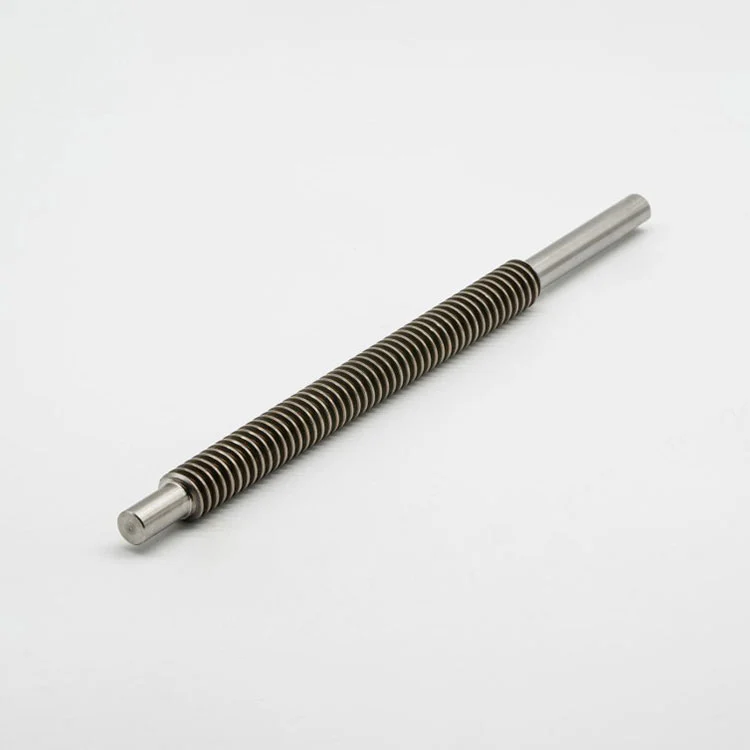
Metric screw studs have become one of the most widely adopted fastening components across mechanical engineering, automotive manufacturing, construction systems, and precision equipment. These threaded rods—featuring a male thread on both ends or across the entire length—offer stability, alignment accuracy, and load-bearing capability that outperform many traditional fastening methods. As global industries move increasingly toward high-precision assembly and modular structures, the demand for robust metric fastening solutions continues to grow.

How Do Metric Screw Studs Work and What Makes Their Design So Reliable?
Metric screw studs function as connecting components that create tensioned fastening between two parts. Their mechanical performance depends on several structural elements:
-
Thread geometry that distributes load evenly
-
Material hardness that resists shear and tensile forces
-
Surface treatments that prevent corrosion and wear
-
Precision tolerances that ensure secure alignment
Industries adopt metric screw studs because they can efficiently handle fluctuating loads, extreme temperatures, and harsh environments. Their dual-thread design allows them to act as a bridge between components that require high stability without loosening over time.
What Are the Standard Specifications of Metric Screw Studs?
Below is a consolidated parameter table commonly requested in industrial applications. These values can be customized based on client needs, including diameter, thread direction, and material grade.
| Parameter Category | Specification Details |
|---|---|
| Thread Type | Metric Coarse (M4–M48), Metric Fine available |
| Length Range | 20 mm – 3000 mm (custom lengths supported) |
| Material Options | Carbon steel, Alloy steel, Stainless steel (304, 316, 316L), Brass, Titanium |
| Strength Grade | 4.8, 8.8, 10.9, 12.9; stainless steel A2-70, A4-80 |
| Surface Treatment | Zinc plating, black oxide, hot-dip galvanizing, nickel plating, passivation |
| Thread Standard | ISO, DIN, GB, JIS |
| Tolerance Level | 6g/6H (custom precision available) |
| Applications | Machinery, automotive systems, energy equipment, aerospace structures, industrial assemblies |
These specifications enable engineers to select the ideal combination of mechanical performance and corrosion resistance.
Why Do Industries Prefer Metric Screw Studs Over Traditional Fasteners?
Metric screw studs offer several advantages that make them superior for precision engineering and high-load conditions.
Improved Load Distribution
The double-ended thread design allows stress to spread across a larger anchoring area, reducing the risk of deformation or weakening.
High Tensile Strength
Alloy steel and stainless-steel studs provide strong resistance against pulling forces, making them ideal for engines, turbines, and structural frames.
Temperature and Chemical Resistance
Materials such as 316L stainless steel maintain performance in chemical plants, marine environments, and extreme heat applications.
Flexibility in Assembly and Maintenance
Studs remain fixed while nuts can be easily removed, improving repair efficiency and reducing downtime—critical for automotive engines and heavy machinery.
Alignment Stability
Metric screw studs ensure accurate component alignment, essential for precision equipment and vibration-prone environments.
How Do Different Materials Influence Performance?
Material choice determines corrosion resistance, tensile strength, and environmental adaptation.
-
Carbon Steel Studs: Economical, widely used for general construction.
-
Alloy Steel Studs: Enhanced tensile strength for high-pressure systems.
-
Stainless Steel Studs: Excellent corrosion resistance for outdoor and chemical applications.
-
Brass Studs: Ideal for electrical conductivity and rust prevention.
-
Titanium Studs: Lightweight and resistant to extreme environments, used in aerospace and medical equipment.
Selecting the correct material enhances both service life and reliability in demanding conditions.
How Are Metric Screw Studs Used Across Different Industries?
Metric screw studs play vital roles in nearly every engineering sector.
Automotive
Used for engine blocks, suspension systems, transmission casings, and exhaust assemblies.
Heavy Machinery
Provide stable fastening in hydraulic systems, compressors, and construction equipment.
Energy Sector
Essential for turbines, wind power systems, and high-pressure pipelines.
Electronics
Provide stable anchoring in precision instruments requiring vibration resistance.
Construction
Used for steel structures, concrete anchoring systems, and modular building components.
What Future Trends Will Shape Metric Screw Stud Development?
As global industries seek higher performance and sustainability, several trends are emerging:
Advanced Coating Technologies
Nanocoatings and premium corrosion-resistant finishes will become standard for outdoor and marine environments.
Lightweight High-Strength Alloys
Titanium-based and composite material studs will gain popularity in aerospace, EVs, and robotics.
High-Precision Digital Manufacturing
CNC thread rolling, automated inspection, and AI-driven defect detection will increase product consistency.
Eco-Friendly Surface Treatments
Lead-free coatings and environmentally compliant galvanizing processes will become mainstream.
Modular Industrial Systems
Growing use of modular equipment will drive demand for standardized, replaceable, and high-tolerance metric studs.
Frequently Asked Questions About Metric Screw Studs
Q1: How to determine the correct size of a metric screw stud for high-pressure equipment?
A correct size selection depends on thread diameter, tensile strength grade, and operating conditions. Engineers must evaluate pressure load, vibration frequency, and environmental factors such as heat and corrosion levels. Choosing a stud with a higher strength grade (like 10.9 or 12.9) is recommended for high-pressure systems. Surface treatments such as hot-dip galvanizing or passivation further ensure long-term durability.
Q2: How to prevent a metric screw stud from loosening during vibration-heavy operations?
Preventing loosening requires selecting proper locking mechanisms such as double nuts, lock washers, thread-locking compounds, or nylon-insert nuts. Using precision-machined studs with tight tolerances ensures better thread engagement. Applying consistent torque and using high-strength materials also contributes significantly to vibration resistance.
How Will Industrial Demand for Metric Screw Studs Grow?
Global industrial expansion continues to elevate the need for durable fastening systems. Large-scale investments in automotive electrification, advanced manufacturing, and energy infrastructure are expected to accelerate market growth. Companies increasingly seek customizable studs with specialized coatings, precise tolerances, and optimized mechanical properties. This demand will spur innovation in production processes, quality control, and material science—driving the continuous evolution of metric screw studs.
Why Choose a Trusted Supplier for Long-Term Industrial Reliability?
As industries adopt higher standards for mechanical precision and structural reliability, metric screw studs remain essential components across mechanical engineering, automotive manufacturing, construction, and energy systems. Their performance depends heavily on material quality, surface treatment, and manufacturing precision. Selecting the right partner ensures consistency, stability, and long service life in demanding environments.
Suzhou Maitu provides high-quality metric screw studs engineered to meet strict international standards and tailored to various application requirements. With robust production capabilities and strong quality control systems, the company supports industries seeking dependable fastening solutions.
For customized specifications, professional consultation, or bulk procurement, contact us to discuss project requirements and receive tailored support.
Related News
- Can PEEK Trapezoidal Screw Nuts Withstand Regular Disinfection in Pharmaceutical Cleanrooms?
- How To Maintain PEEK Trapezoidal Screw Nuts On Textile Production Equipment?
- How Does PEEK Trapezoidal Screw Nut Reduce Textile Machine Downtime?
- How Can a C7 Large Lead Ball Screw for Material Handling Improve Speed, Precision, and Heavy-Duty Performance
- How Can Ultra Precision Linear Guides Improve Accuracy, Stability, and Reliability in Modern Motion Systems
- Why Is the C7 High Speed Large Lead Rolled Ball Screw for Robots a Smart Choice for Fast and Reliable Automation
Leave me a message