Abstract
A Trapezoidal Screw Nut looks simple—until your machine starts chattering, drifting out of position, or wearing out far sooner than expected. If you’ve ever dealt with backlash that ruins repeatability, squeal/noise under load, sticky motion, frequent relubrication, or thread damage from dust and debris, the root cause is often the nut choice (material, fit, geometry, and how it’s installed), not the screw alone.
This guide breaks down the real-world decision points—load, speed, accuracy, environment, mounting style, and maintenance expectations—so you can select a nut that performs the way your application needs. You’ll also find a practical comparison table, installation tips that prevent premature failure, and a short FAQ to help you write a clean, purchase-ready specification.
Outline
- Common failure modes and the pain points they create
- How a trapezoidal nut behaves compared with other motion options
- A selection checklist you can use before you place an order
- Material and design options (including anti-backlash and oil-free choices)
- Nut form factors and mounting constraints
- Installation and maintenance habits that extend service life
- When custom nuts make more sense than “close enough” standard parts
- FAQ and a quick spec template
Table of Contents
- Where trapezoidal nuts usually fail in real machines
- What a trapezoidal screw nut actually does in a motion system
- A practical selection checklist
- Material and design options compared
- Nut shapes and mounting styles
- Backlash, accuracy, and repeatability
- Installation tips that prevent early wear
- Maintenance and life-extension habits
- When standard nuts don’t work and customization pays off
- FAQ
Where trapezoidal nuts usually fail in real machines

Most buyers don’t start shopping for a Trapezoidal Screw Nut because they’re bored. They start because something hurts: scrap rate rises, maintenance time explodes, or the motion “feels wrong.” Here are the most common pain points and what’s behind them.
- Backlash that ruins positioning: The nut-to-screw clearance is too large for your accuracy needs, or the design lacks preload. This shows up as hesitation when reversing direction, inconsistent homing, or drift in repeated cycles.
- Noise, vibration, and “chatter”: Often caused by misalignment, side-loading, poor mounting rigidity, or a material pairing that amplifies friction. Sometimes the screw is blamed, but the nut fit and installation are frequently the real culprit.
- Fast wear or thread damage: Abrasive dust, insufficient lubrication, wrong material for the load, or a duty cycle that generates heat. If your nut is wearing like an eraser, it may be doing the job of a bearing or guide (and it shouldn’t).
- Sticking or uneven motion: Contamination, galling (metal-on-metal issues), deformation under load, or thermal expansion effects. What feels like “poor machining” can simply be a mismatch between nut material and operating environment.
- Too much maintenance: If your application can’t tolerate frequent relubrication, you’ll want oil-free/self-lubricating designs or engineered polymers that reduce friction and attract less debris.
The key takeaway: selecting a nut is less about “finding a nut that fits the thread” and more about matching performance behavior to your system’s realities—load path, guides, mounting, heat, and contamination.
What a trapezoidal screw nut actually does in a motion system
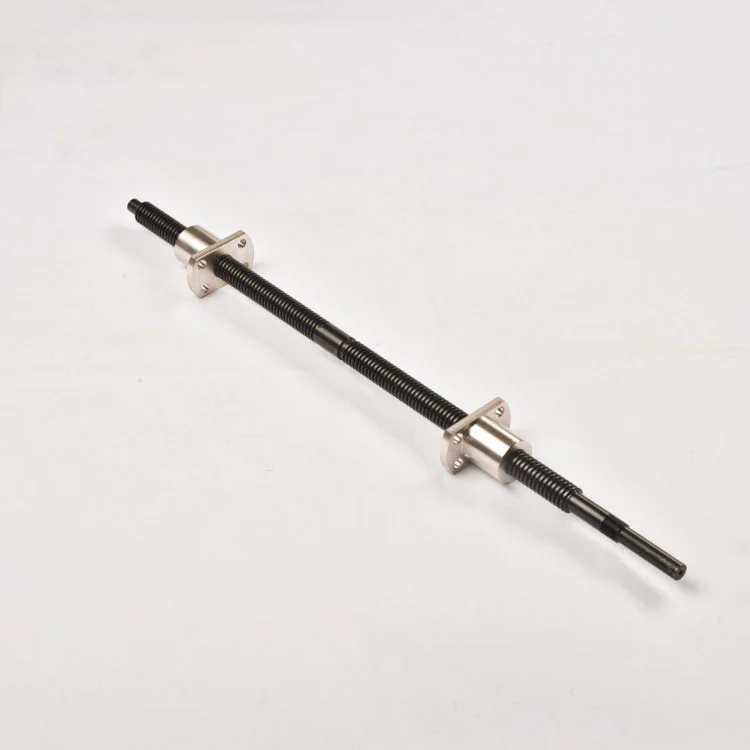
A Trapezoidal Screw Nut is the working interface that converts the screw’s rotation into linear travel (or vice versa). In practice, it also becomes a friction interface, a wear component, and—if your design isn’t properly supported—a “victim” of side loads.
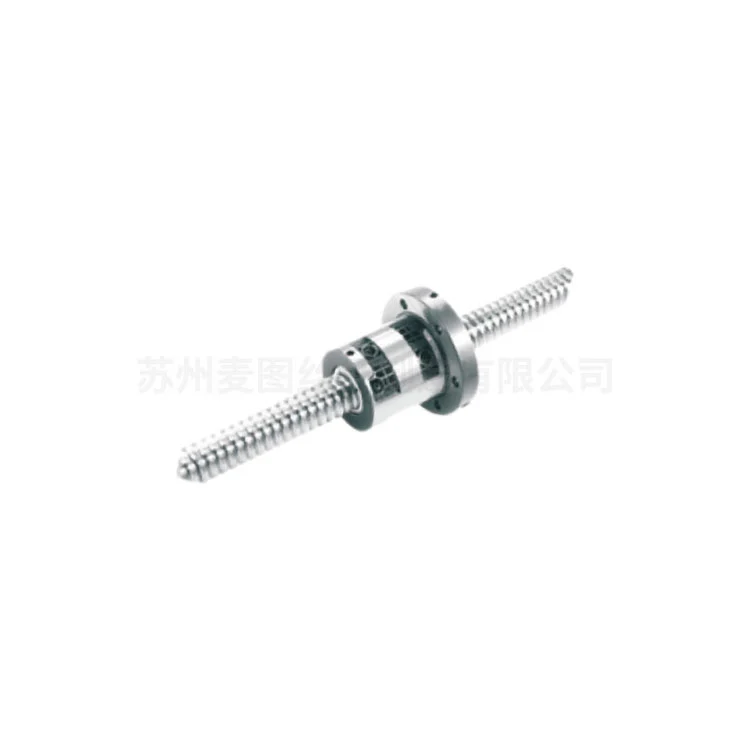
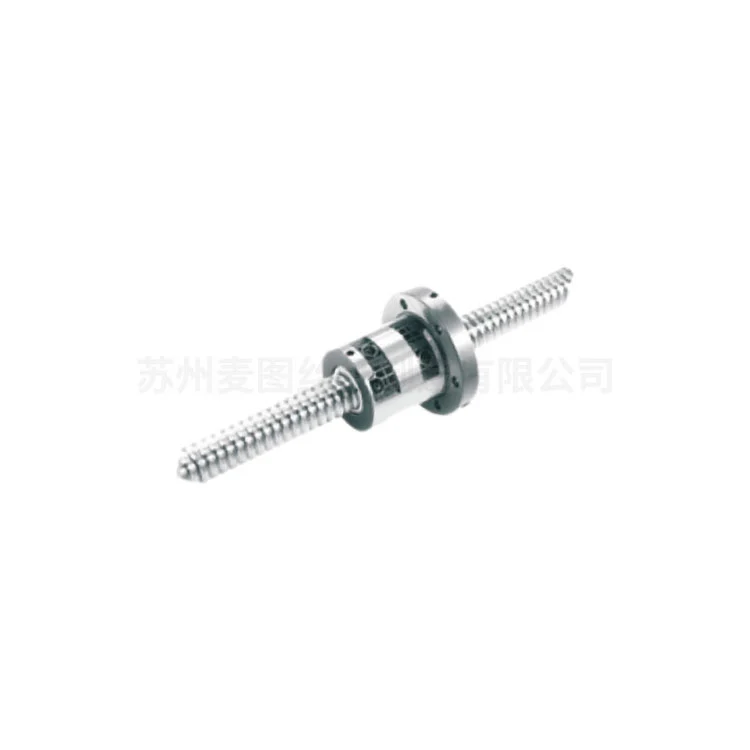
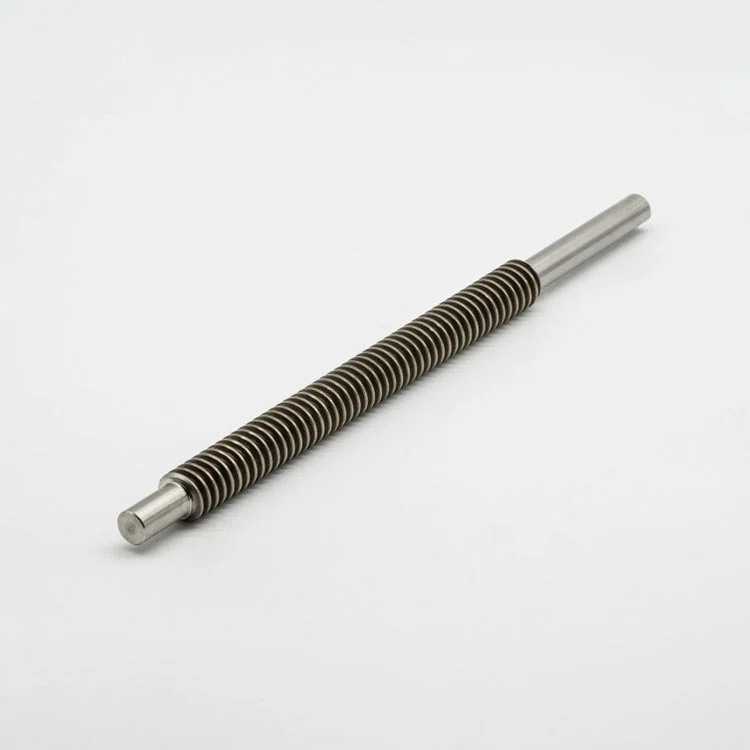
Trapezoidal thread systems are widely used because they’re robust, cost-effective, and tolerant of many industrial conditions. Compared with recirculating ball screw assemblies, trapezoidal systems typically offer higher inherent friction (which can be useful for self-locking behavior in some vertical loads) but lower mechanical efficiency at high speeds. That’s not “good” or “bad”—it’s a design tradeoff.
If your machine needs moderate speed, solid load capacity, and straightforward serviceability, a trapezoidal nut solution is often an excellent engineering choice—especially when you choose the right material, include a backlash strategy when needed, and install it correctly.
A practical selection checklist
Before you request a quote or place an order, use this checklist. It prevents the most common (and expensive) mismatch: buying a nut that “fits” but performs poorly.
- Load type: axial only, or does your system accidentally apply side load? (Side load should be handled by guides/bearings.)
- Duty cycle and speed: occasional adjustment, continuous cycling, or high-speed travel that builds heat?
- Accuracy needs: is standard clearance acceptable, or do you need an anti-backlash solution for consistent reversal behavior?
- Environment: dust, chips, humidity, washdown, cleanroom-like hygiene requirements, chemicals, or temperature swings?
- Lubrication policy: can you grease regularly, or do you need a low-maintenance / oil-free approach?
- Mounting constraints: flange mount, block mount, compact envelope, or a wide body to resist rotation?
- Noise and feel: do you want a “quiet and smooth” motion experience (often a polymer or optimized composite choice)?
- Service strategy: do you want the nut to be the replaceable wear part (common), or a longer-life build with premium materials?
If you can answer those items clearly, your supplier can recommend the right thread fit, nut geometry, and material pairing with far fewer iterations.
Material and design options compared
Different nut materials behave differently under friction, heat, and contamination. The best choice depends on your real operating conditions, not just “stronger is better.” Use the table below as a quick decision map.
| Option | Strengths | Best for | Watch-outs |
|---|---|---|---|
| Brass / Bronze | Stable performance, good wear behavior, widely used, predictable machining | General industrial motion, moderate loads, proven long-term use cases | Needs lubrication in most applications; debris can accelerate wear |
| Steel (carbon / stainless) | High strength, strong thread engagement, corrosion options with stainless | Higher loads, harsh mechanical environments, special structural needs | Metal-on-metal friction can be noisy; requires careful lubrication and alignment |
| Nylon (e.g., PA materials) | Low noise, lighter weight, smoother feel, good for many moderate-load tasks | Automation modules, quieter motion requirements, cost-sensitive projects | Temperature and humidity can affect dimensions; not ideal for high heat |
| POM (acetal) | Low friction, good dimensional stability, clean operation | Light-to-medium duty systems, applications needing smooth motion with less lubrication | Load limits depend on design; avoid excessive heat buildup |
| PEEK (high-performance polymer) | Excellent performance in demanding conditions, strong, stable, long-life potential | Higher-performance automation, specialized environments, long service intervals | Higher material cost; system design should justify the upgrade |
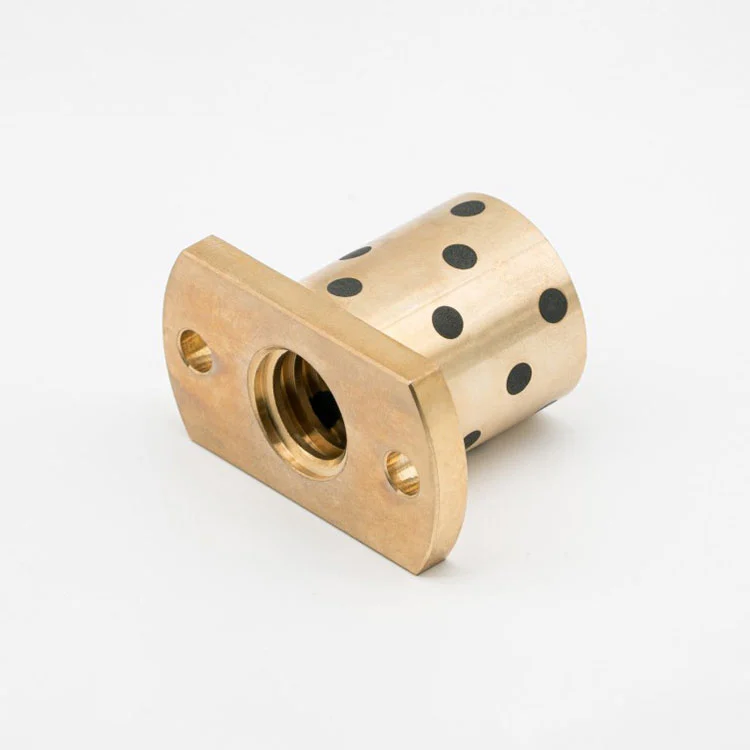
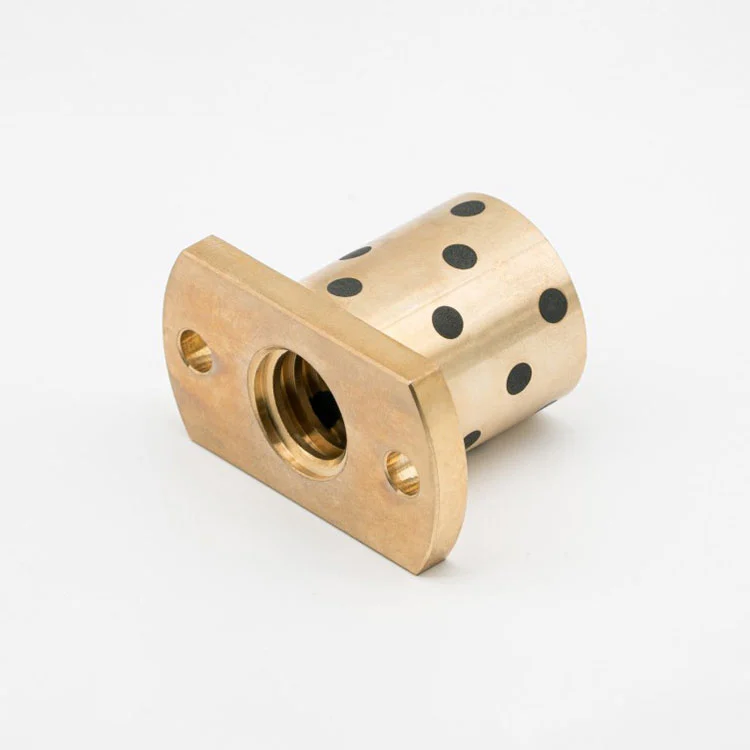
| Oil-free / self-lubricating composite | Reduced maintenance, improved behavior where lubrication is impractical | Dusty/dirty zones, places where grease attracts contaminants, limited access equipment | Still needs correct alignment; “oil-free” doesn’t mean “ignore inspection” |
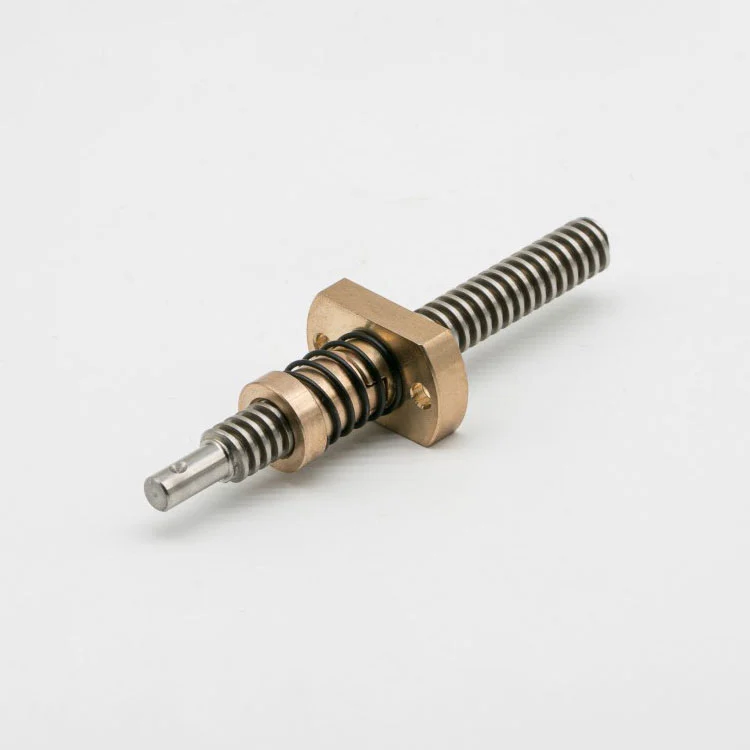
| Anti-backlash design | Improves reversal repeatability, reduces play without over-tight fit | Semiconductor, medical, measuring, and precision positioning equipment | Preload may increase friction slightly; choose based on speed and drive torque |
Practical tip: when your environment is dirty, “more grease” can sometimes make things worse by trapping abrasive particles. In those cases, self-lubricating designs or polymer-based options can be a smarter path to longer service life and more consistent motion.
Nut shapes and mounting styles
Even with the perfect material, the wrong geometry can cause headaches during installation or lead to rotation, looseness, or poor stiffness. Common nut form factors exist for a reason—each solves a mounting problem.
- Straight (cylindrical) type: simple integration when your housing already supports alignment and anti-rotation features.
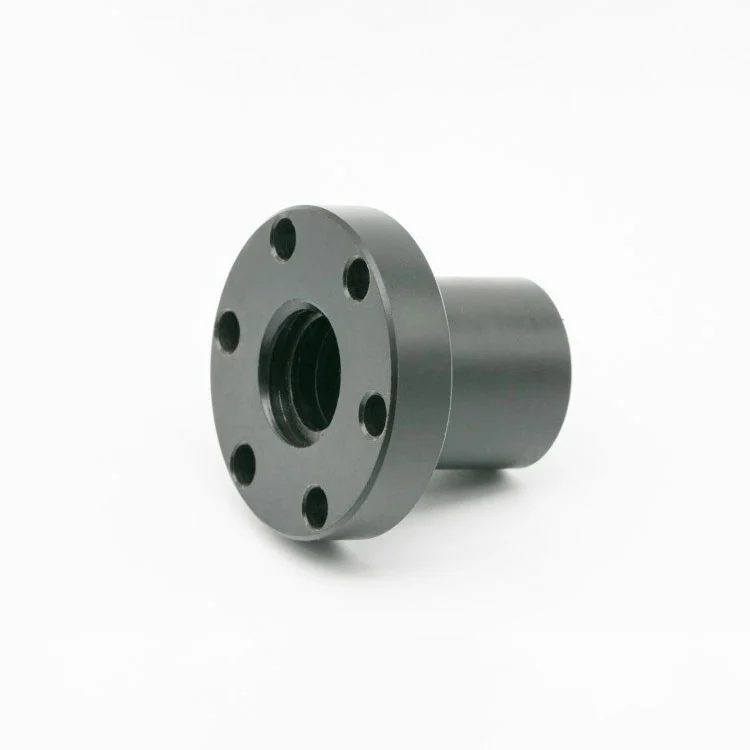
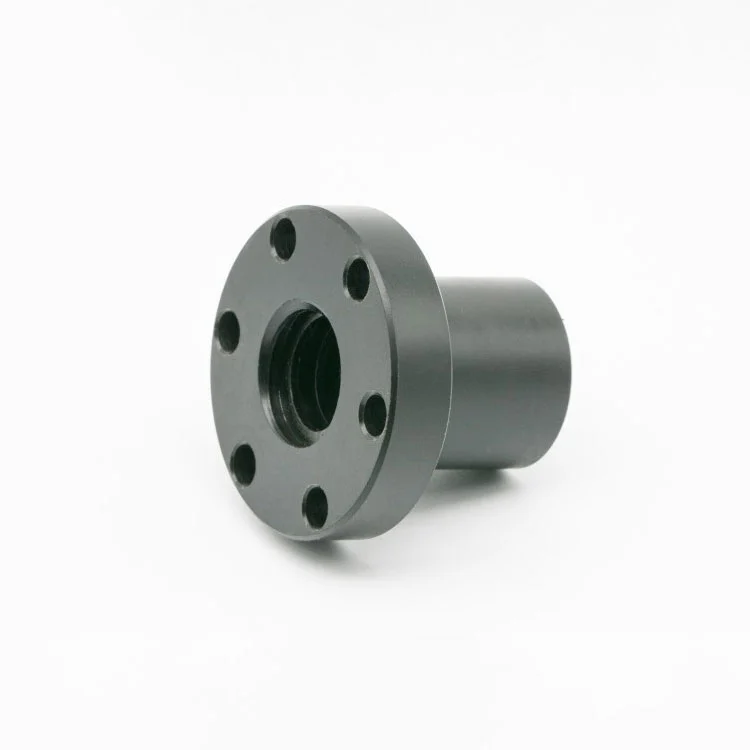
- Flange type: easy axial positioning and bolting; helpful when you need quick replacement and consistent assembly.
- Block type: stable mounting, easier anti-rotation control, and friendly for custom machine frames.
- Wide type: extra contact area and rigidity for certain housings; can help reduce unwanted twist.
- Compact economical type: space-saving builds where envelope matters and loads are moderate.
If your nut is free to rotate, your axis won’t translate correctly. Always ensure the mounting design prevents nut rotation while keeping the screw aligned with your linear guides.
Backlash, accuracy, and repeatability
Backlash is the “lost motion” you feel when reversing direction—your drive turns, but the stage doesn’t move immediately. In many systems, backlash is acceptable. In others—pick-and-place, metrology, dosage equipment, micro-positioning—it’s a deal-breaker.
Here are practical ways to manage backlash without creating new problems:
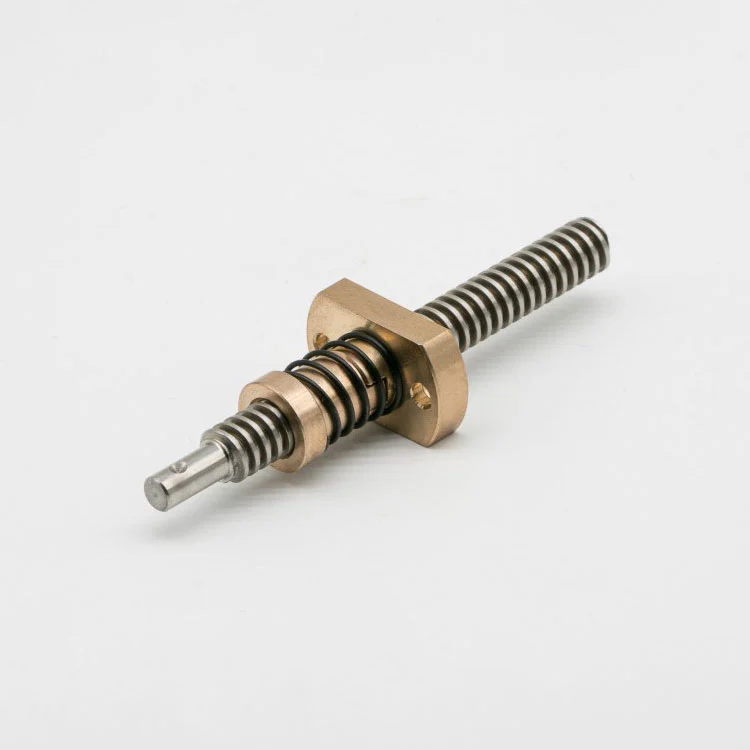
- Use an anti-backlash nut design: a split/preloaded arrangement can reduce play while keeping motion smooth. This is often the cleanest option for precision systems.
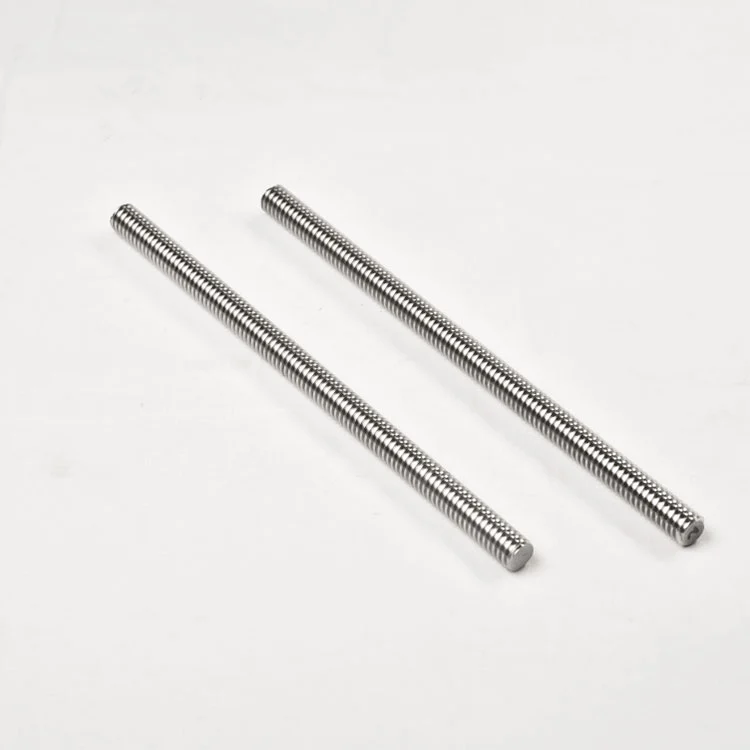
- Match the nut to the screw: thread profile, pitch/lead, and fit class must be consistent. “Almost compatible” becomes noisy and wears fast.
- Control alignment and side load: backlash gets blamed for issues that are actually caused by binding from misalignment.
- Verify torque margin: reducing backlash typically increases friction slightly. Confirm your motor/drive can handle it without overheating.
If your goal is repeatability, the system is only as good as its weakest link: nut fit, screw straightness, guide rail quality, bearing support, and assembly alignment all interact. Treat the nut as a system component, not a standalone commodity.
Installation tips that prevent early wear
Many premature failures are “installed into existence.” A high-quality Trapezoidal Screw Nut can wear out quickly if it’s forced to fight misalignment or side loads. These habits are boring—but they save you months.
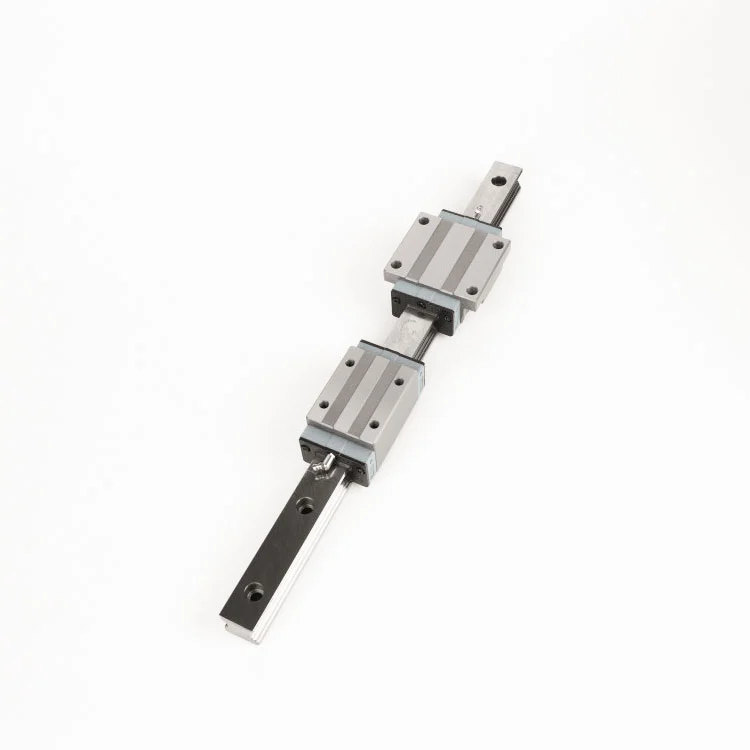
- Let guides handle side loads: use linear rails/bushings so the screw-nut pair sees mainly axial load.
- Keep screw support rigid: proper end bearings reduce whip and vibration, especially on longer strokes.
- Align before tightening: lightly assemble, move through the full stroke by hand/low speed, then torque fasteners gradually.
- Protect from debris: bellows, covers, and wipers reduce abrasive wear dramatically in dusty or chip-producing environments.
- Don’t overtighten anti-rotation features: clamping a nut housing unevenly can distort it and create binding.
If you feel tight spots during travel, stop and diagnose alignment—don’t “power through.” Powering through is how threads get damaged, motors overheat, and nuts become the sacrificial part for a problem elsewhere in the axis.
Maintenance and life-extension habits

Trapezoidal systems can be long-lasting when you treat friction like a managed variable rather than an afterthought.
- Set a realistic lubrication routine: choose lubricant type based on temperature and contamination, and keep intervals consistent.
- Clean before re-lubricating: adding grease onto grit creates a grinding paste.
- Inspect for early symptoms: rising torque, increased noise, or visible dust accumulation are early warnings.
- Track cycle count: if the nut is a designed wear component, planned replacement avoids downtime surprises.
- Use oil-free/self-lubricating options where appropriate: especially when access is limited or cleanliness matters.
A simple maintenance log—date, environment notes, torque/noise observations—often tells you more than a failed part ever will.
When standard nuts don’t work and customization pays off
Standard catalog parts are great—until your mounting space is odd, your environment is strict, or your accuracy requirements are unforgiving. Customization is usually justified when one of these is true:
- You need a specific nut shape to fit an existing housing (block, flange, wide body, compact envelope).
- You’re balancing precision with smoothness and want a tailored anti-backlash approach.
- You have environmental constraints (hygiene, low contamination tolerance, limited lubrication access).
- You want a specific polymer performance profile (low friction, low noise, stability, or longer service intervals).
- You need reliable thread engagement with a target screw and want controlled matching rather than guesswork.
Suzhou Maitu Screw Rod Manufacturing Co., Ltd. focuses on matching trapezoidal nuts to real application demands—including multiple nut types, engineered polymer options, oil-free solutions, and anti-backlash configurations—so the nut works with your screw, your housing, and your environment instead of fighting them.
If you’re preparing a purchase spec, here’s a simple structure you can send to a supplier to speed up selection:
- Thread designation: trapezoidal size + lead/pitch + hand (right/left) + any special profile notes
- Nut style: straight / flange / block / wide / compact + key dimensions + anti-rotation method
- Material: brass/bronze/steel/polymer type + environment notes (dust, washdown, temperature)
- Performance targets: backlash expectation, noise preference, lubrication policy, duty cycle
FAQ
Q: Can I replace a worn nut without changing the screw?
A: Often yes, but it depends on screw wear. If the screw threads are visibly worn or the axis torque has increased significantly,
a new nut may not restore performance. For critical positioning, evaluate both components together.
Q: Is an oil-free nut truly maintenance-free?
A: Oil-free designs reduce lubrication requirements and help in places where grease is impractical, but they still require inspection.
Alignment, contamination, and side-loading can shorten life regardless of lubrication strategy.
Q: Which material is best for quiet motion?
A: Many polymer options (such as nylon- or acetal-based materials) can reduce noise and provide smoother feel.
For more demanding conditions, higher-performance polymers may offer better stability and longer life.
Q: Do I always need an anti-backlash nut for accuracy?
A: Not always. If your application rarely reverses direction, or your control system compensates for backlash, standard clearance may be fine.
If reversal repeatability matters, anti-backlash designs are typically the most direct solution.
Q: Why does my nut wear fast even though the load is “within spec”?
A: The most common causes are misalignment, side load (guides not doing their job), contamination, and heat buildup from duty cycle.
Fixing the axis design or installation often extends life more than switching to a “stronger” nut.
Q: What information should I send to get the right recommendation quickly?
A: Include thread size/lead, stroke length, load direction and magnitude, speed/duty cycle, environment (dust/water/chemicals),
mounting style, and whether backlash control is required. Photos of the assembly space also help.
Conclusion
The right Trapezoidal Screw Nut isn’t just a threaded part—it’s a performance decision that affects noise, accuracy, service life, and maintenance workload. When you match material, nut geometry, backlash strategy, and installation practice to your actual operating conditions, trapezoidal systems can be remarkably dependable and cost-effective.
If you want help selecting a standard option or tailoring a nut to your housing, load, and environment, reach out to Suzhou Maitu Screw Rod Manufacturing Co., Ltd. with your basic parameters and application notes—then contact us to turn your axis problems into a stable, repeatable motion solution.