How Is the Acme Trapezoidal Screw Used Across Industrial Motion Systems?
Article Abstract
Acme Trapezoidal Screws play a critical role in linear motion transmission across industrial automation, mechanical equipment, and precision positioning systems. This article provides a detailed, technically grounded explanation of how Acme Trapezoidal Screws are structured, specified, and applied in real-world engineering environments. The discussion centers on design principles, dimensional parameters, load behavior, material options, manufacturing standards, and long-term development directions. Frequently asked technical questions are addressed in a concise question-and-answer format to clarify common engineering concerns. The content is structured to meet professional reading habits and global search engine optimization standards.
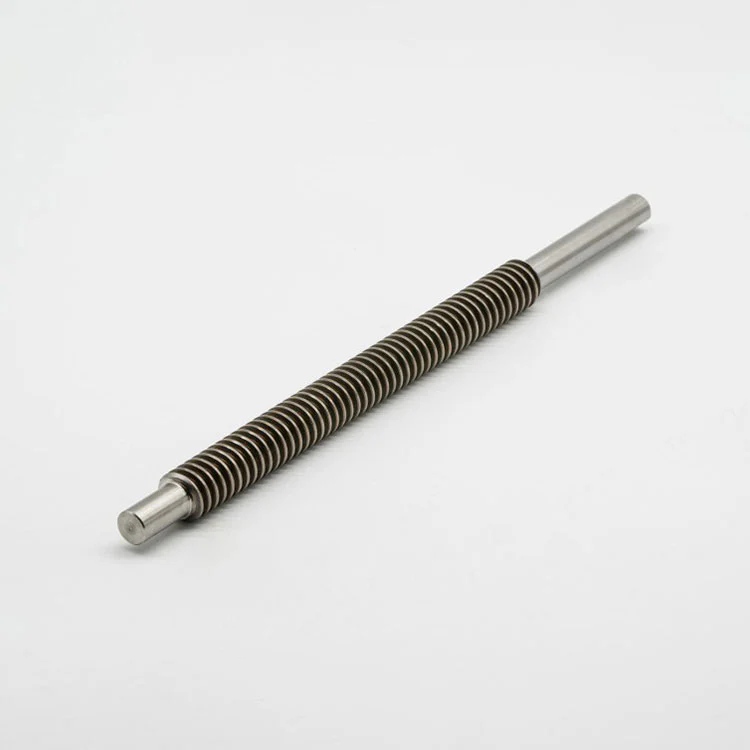
Table of Contents
- 1. How Does an Acme Trapezoidal Screw Enable Linear Motion?
- 2. How Are Acme Trapezoidal Screws Specified and Engineered?
- 3. How Do Acme Trapezoidal Screws Perform in Practical Applications?
- 4. How Will Acme Trapezoidal Screws Evolve in Future Motion Systems?
1. How Does an Acme Trapezoidal Screw Enable Linear Motion?
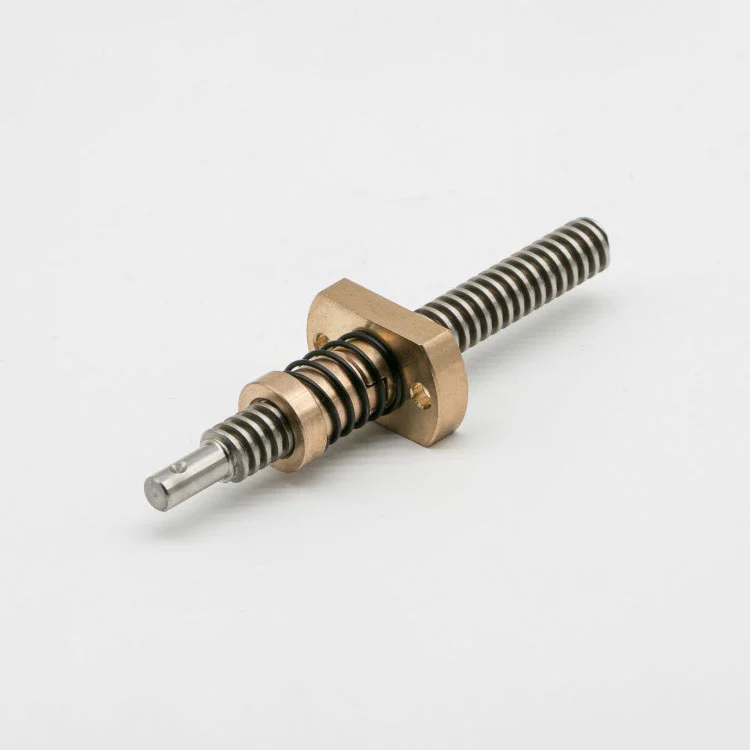
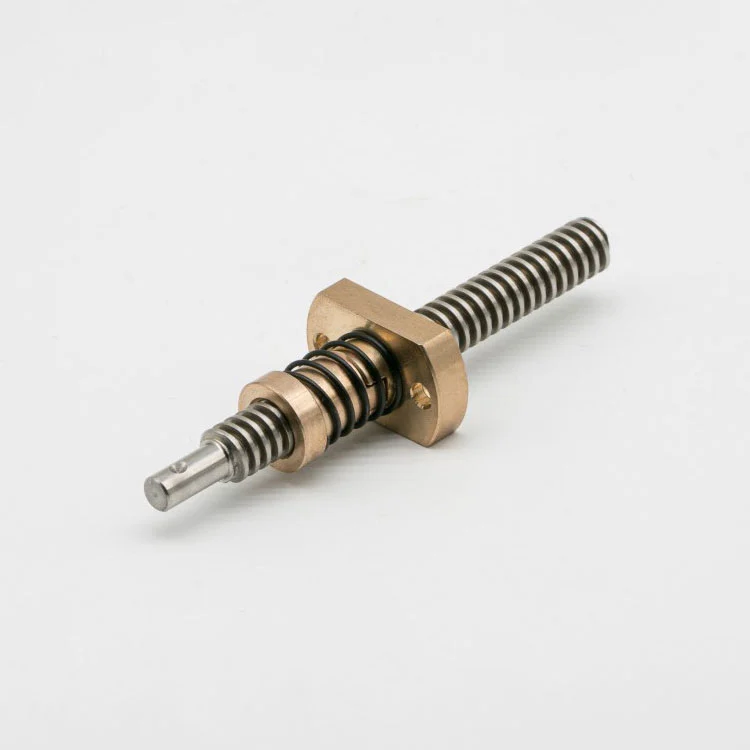
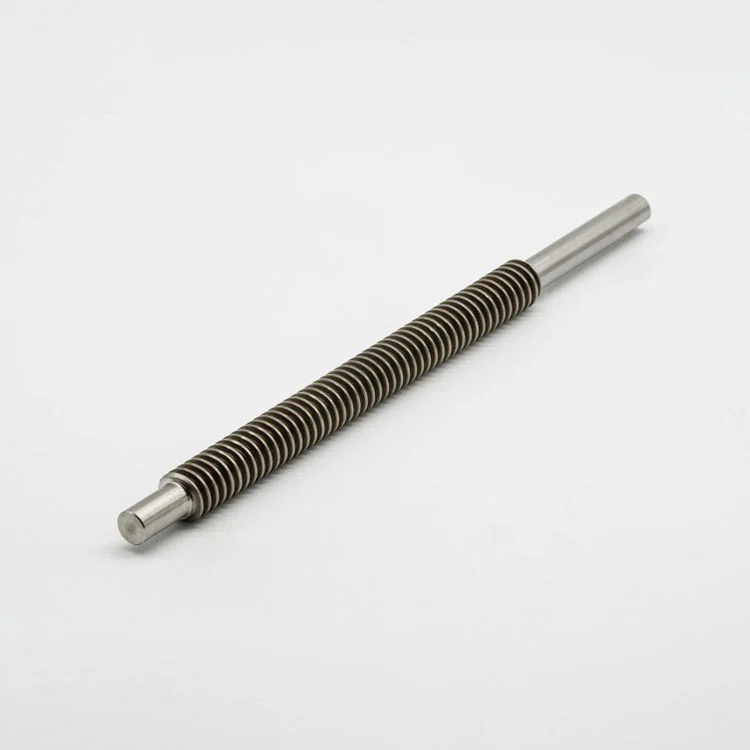
An Acme Trapezoidal Screw is a power transmission component designed to convert rotational motion into linear displacement through a precisely machined trapezoidal thread profile. Unlike standard fasteners, this screw type is engineered for sustained axial loads, predictable motion control, and repeatable positioning accuracy. The trapezoidal geometry offers a balanced compromise between mechanical strength, manufacturability, and efficiency, making it widely adopted in both heavy-duty and precision-driven environments.
The thread angle, typically standardized at 29 degrees for Acme profiles or 30 degrees for metric trapezoidal threads, allows for stable contact between the screw and the mating nut. This geometry reduces radial stress while maintaining sufficient surface contact area to distribute loads evenly. As a result, Acme Trapezoidal Screws are commonly selected where backlash control, moderate efficiency, and mechanical self-locking characteristics are required.
From an engineering perspective, linear motion is achieved as torque applied to the screw shaft forces the nut to travel along the thread lead. The pitch and lead directly determine travel speed, resolution, and load behavior. These parameters are carefully selected based on system requirements such as stroke length, duty cycle, and environmental exposure.
2. How Are Acme Trapezoidal Screws Specified and Engineered?
Accurate specification is essential to ensure that an Acme Trapezoidal Screw performs reliably throughout its service life. Parameters are defined according to international standards such as ANSI B1.5 or DIN 103, depending on regional and application requirements. The following table outlines commonly referenced technical parameters used by engineers during selection and design.
| Parameter | Description | Engineering Relevance |
|---|---|---|
| Nominal Diameter | Outside diameter of the screw thread | Determines load capacity and rigidity |
| Pitch | Axial distance between adjacent threads | Affects motion resolution and efficiency |
| Lead | Linear travel per full rotation | Defines speed and mechanical advantage |
| Thread Angle | Included angle of trapezoidal profile | Controls contact stress and friction |
| Material | Carbon steel, stainless steel, alloy steel | Impacts wear resistance and environment suitability |
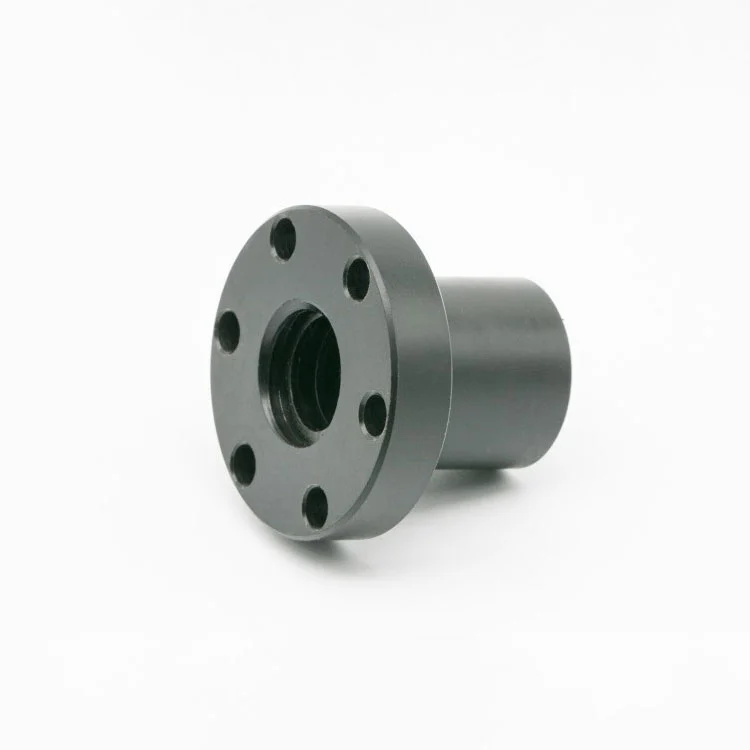
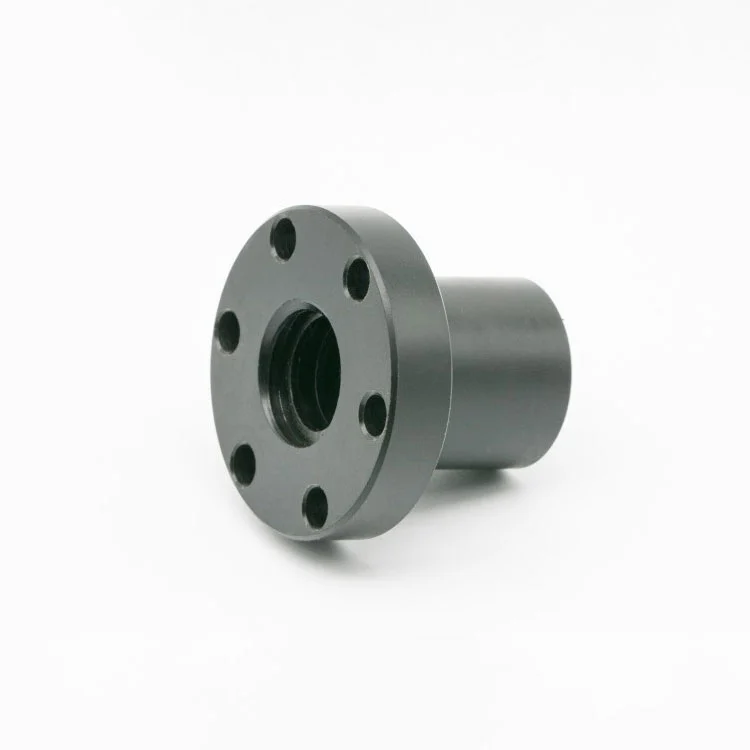
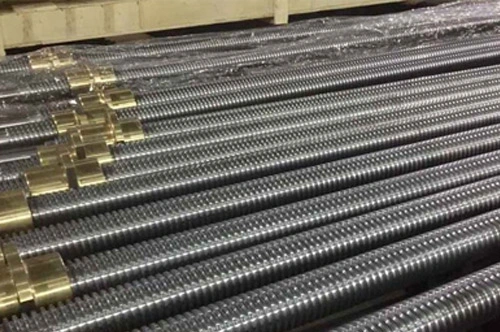
| Nut Material | Bronze, polymer, cast iron | Balances friction, noise, and service life |
Engineering considerations also include surface finish, heat treatment, and lubrication compatibility. Ground screws are selected for higher positioning accuracy, while rolled screws are favored for cost efficiency and enhanced fatigue strength. The selection process integrates mechanical calculations, environmental constraints, and long-term maintenance planning.
3. How Do Acme Trapezoidal Screws Perform in Practical Applications?
In industrial environments, Acme Trapezoidal Screws are utilized across machine tools, lifting systems, valve actuators, packaging equipment, and automated assembly lines. Their inherent self-locking behavior makes them suitable for vertical load holding without additional braking mechanisms. This characteristic simplifies system design while enhancing operational safety.
The following frequently asked questions address common technical concerns encountered during specification and operation.
Q: How does load capacity vary with screw diameter?
A: Load capacity increases nonlinearly with screw diameter due to higher cross-sectional area and improved resistance to buckling. Engineers must evaluate both axial stress limits and critical buckling length to ensure safe operation under compressive loads.
Q: How is backlash managed in Acme Trapezoidal Screw systems?
A: Backlash is commonly reduced through the use of split nuts, anti-backlash nuts, or preloaded dual-nut assemblies. Material pairing and controlled manufacturing tolerances further contribute to stable positioning accuracy.
Q: How does lubrication influence service life?
A: Proper lubrication minimizes frictional wear between the screw and nut interface, reduces operating temperature, and extends service intervals. Lubricant selection depends on speed, load, and environmental exposure such as dust or moisture.
Performance consistency is also influenced by alignment accuracy and mounting rigidity. Misalignment introduces uneven thread contact, accelerating localized wear and reducing motion smoothness. As such, system-level integration is as critical as component-level specification.
4. How Will Acme Trapezoidal Screws Evolve in Future Motion Systems?
As automation systems demand higher reliability and lower maintenance, Acme Trapezoidal Screws continue to evolve through material science advancements and precision manufacturing techniques. Improved alloy compositions, surface coatings, and composite nut materials are extending operational lifespans while reducing friction coefficients.
Digital manufacturing and CNC grinding technologies are enabling tighter tolerances and more consistent thread geometry. These developments support integration into semi-automated and smart mechanical systems where predictable linear motion remains essential. While alternative technologies such as ball screws dominate high-speed applications, trapezoidal screws retain relevance where robustness, cost control, and self-locking performance are prioritized.
In this context, manufacturers with deep engineering expertise and vertical production capabilities play an increasingly important role in supporting customized specifications and stable supply chains.
Suzhou Maitu continues to focus on precision-engineered Acme Trapezoidal Screw solutions that align with evolving industrial standards and application requirements. Through material optimization, process control, and application-driven design, the brand supports motion systems that demand reliability and long-term value.
For detailed technical consultation, customized specifications, or application-specific recommendations, interested parties are encouraged to contact us to discuss project requirements and engineering objectives.
Related News
- Can PEEK Trapezoidal Screw Nuts Withstand Regular Disinfection in Pharmaceutical Cleanrooms?
- How To Maintain PEEK Trapezoidal Screw Nuts On Textile Production Equipment?
- How Does PEEK Trapezoidal Screw Nut Reduce Textile Machine Downtime?
- How Can a C7 Large Lead Ball Screw for Material Handling Improve Speed, Precision, and Heavy-Duty Performance
- How Can Ultra Precision Linear Guides Improve Accuracy, Stability, and Reliability in Modern Motion Systems
- Why Is the C7 High Speed Large Lead Rolled Ball Screw for Robots a Smart Choice for Fast and Reliable Automation
Leave me a message