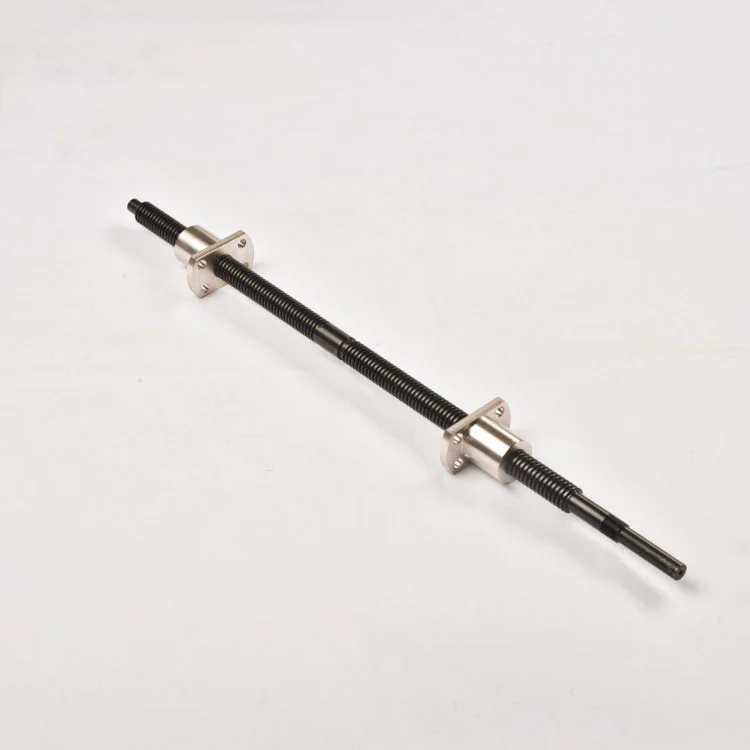
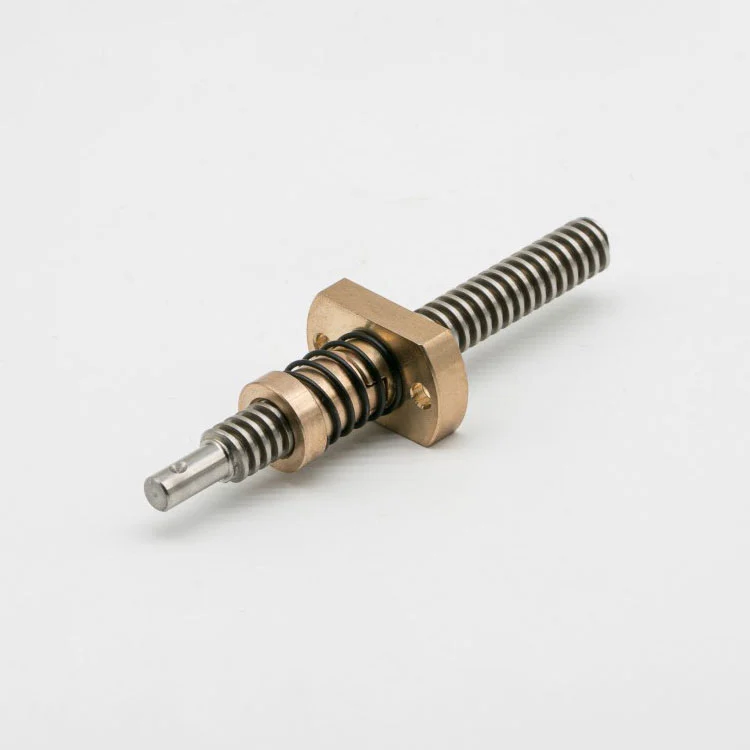
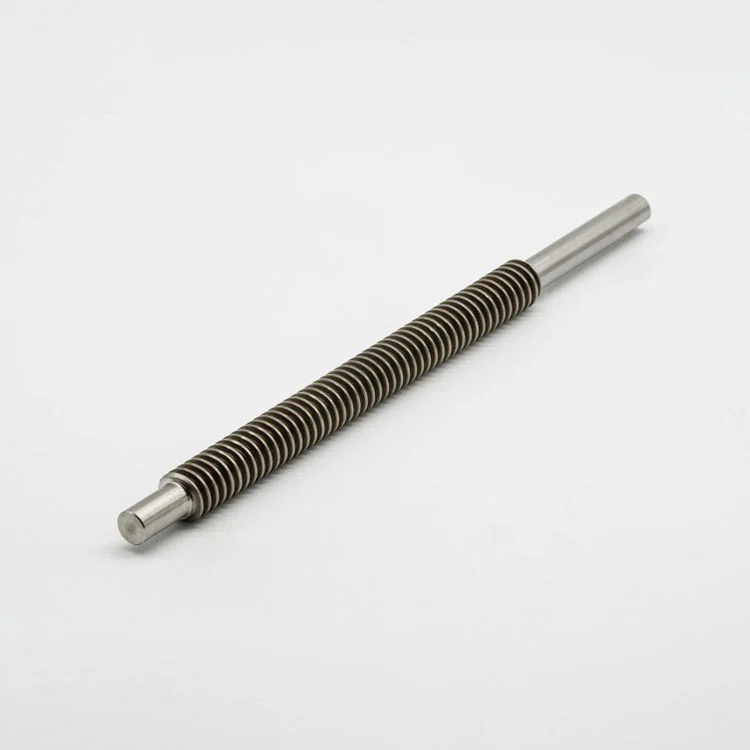
First of all, on the one hand, there will be a small amount of friction every time the screw rotates, and the friction will generate a lot of heat. If it is under the conditions of high frequency and high usage, the heat of this part is very large, so the heat of this part will cause the shell to There is a slight increase in the bearing position and the oil seal in the screw, which in turn causes microscopic displacement of the worm screw and the worm gear, causing instability, which will promote the occurrence of major conflicts, thus forming a vicious cycle. On the other hand, because the screw lift has a gap between the worm screw and the worm gear, The conflict between the worm gear, the worm gear and the lead screw occurs. They are in direct contact with each other. When the worm gear and the worm gear rotate at high speed, a lot of conflicts will occur between the worm gear and the worm gear. The conflict between the worm gear and the lead screw will be greater, and they will knead each other, which will cause A lot of grinding objects are produced, and these grinding objects, under the action of the friction force, produce a lot of powdery objects, which will promote the conflict between the worm gear and the worm gear, and the worm gear and the lead screw. Over time, the gap in the elevator will increase, shaking will occur, and the noise will increase.
Therefore, in order to prevent serious friction, lubricating oil must be added regularly, which will also effectively produce a cooling effect and reduce the friction level of the screw lift. In addition, the worm gear, screw, and bearings in the screw lift must be cleaned regularly, which will help extend the service life of the lift.
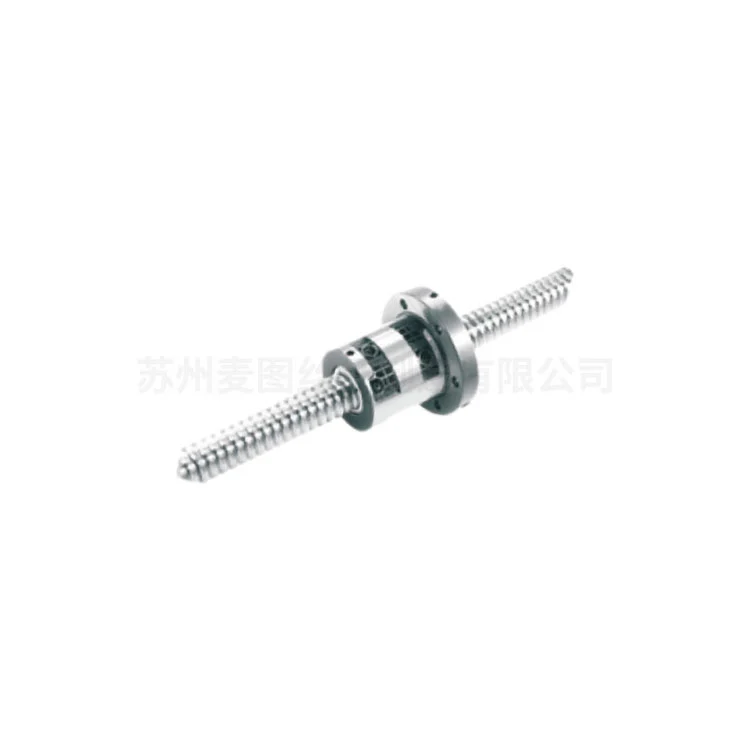
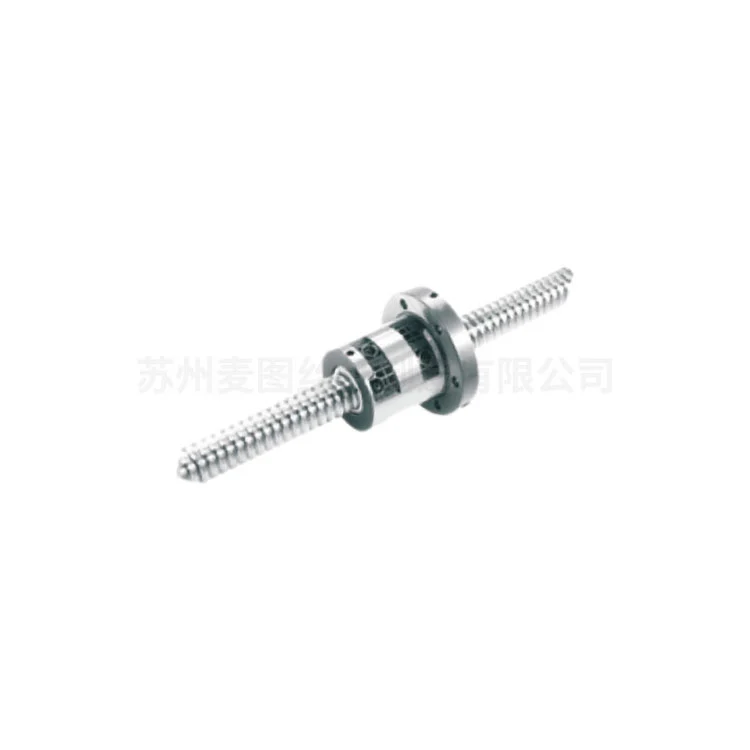
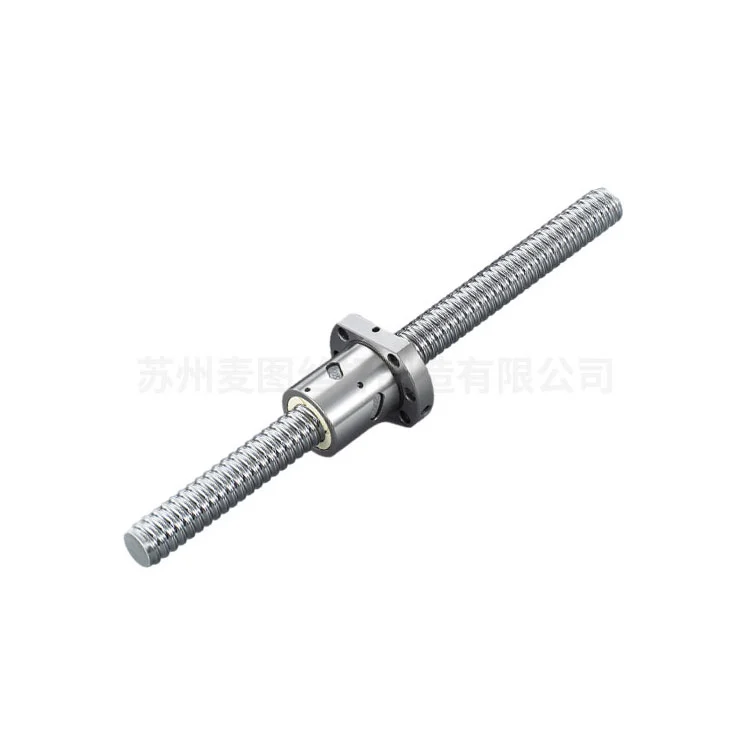
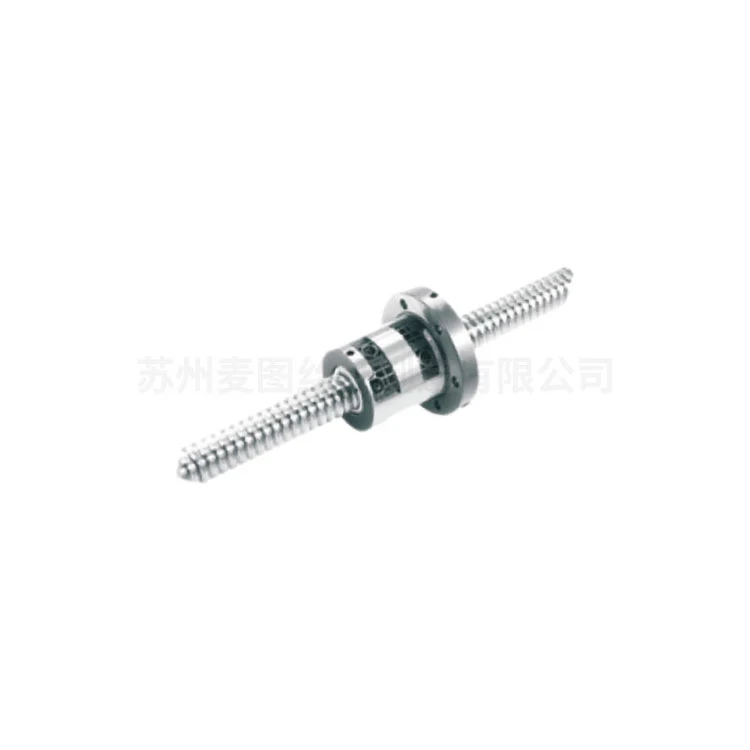
If the multi-head screw nut accidentally falls or you have disassembled it, please reinstall the nut as follows: make a hollow sleeve with an outer diameter slightly smaller than the bottom diameter of the screw raceway (about 0.1mm smaller), an inner diameter slightly larger than the outer diameter of the screw end (0.5~2mm larger), and a length longer than the length of the nut (10~50mm long). Block one end of the hollow sleeve with a soft object such as foam packaging, insert it into a clean ball-free nut, and then load the clean balls one by one into each circulation groove. Fill one circle of empty space (the diameter of the ball should be 0.5 to 1.5) and then slowly roll the hollow sleeve. After it is smooth, push the hollow sleeve to the next circle until it is completely filled.
Then remove the filling from the plug, insert the hollow sleeve and nut into the end of the screw shaft, hold the hollow sleeve with one hand, and gradually screw the nut into the screw with the other hand until the nut is smoothly screwed into the effective thread groove part of the screw. Finally, grease or lubricating oil is written into the oil filling hole of the nut, and the rotating nut is moved more than 2 times throughout the entire stroke to determine whether the work is smooth. Finally, grease or lubricating oil is written in again, and the work is completed.
Method two
Instead of using a machined hollow sleeve, apply high-viscosity grease evenly on the cleaned inner groove of the nut. Stick the balls one by one to the grease in the guide rail groove. After all the balls are stuck, carefully screw them onto the screw. Same as above.
We use cookies to offer you a better browsing experience, analyze site traffic and personalize content. By using this site, you agree to our use of cookies. Privacy Policy