Which Screw Accessories Keep Your Fastening Jobs From Failing?
Abstract — Fasteners rarely fail because “the screw was bad” alone. Most real-world problems come from load spreading, vibration, corrosion, material mismatch, and poor stack-up design. In this guide, I’ll break down the most useful Screw Accessories, explain what each one actually fixes, and show a practical selection workflow you can use for cabinets, sheet metal, outdoor frames, machinery, and more. You’ll also get a compatibility table, an installation checklist, and a buyer’s QA list—so you can stop chasing loose joints, stripped threads, and rust stains.
Quick promise: by the end, you’ll know exactly which Screw Accessories to pair with your screws for strength, stability, and long service life—without overbuying parts you don’t need.
Contents
- Outline
- What counts as screw accessories and why they matter
- The real pain points screw accessories solve
- How to choose screw accessories in 5 steps
- Selection table: accessory vs problem vs material
- Building a reliable fastening stack-up
- Material and coating compatibility
- What to check before you buy
- Installation checklist that prevents 80% of failures
- FAQ
Outline
- Define common Screw Accessories and where they fit
- Map accessories to real failure modes (loosen, rust, strip, crack, leak)
- Use a simple 5-step selection workflow
- Compare options with a practical table (materials, notes, pitfalls)
- Apply stack-up design and compatibility rules
- Confirm quality and install correctly
What counts as screw accessories and why they matter
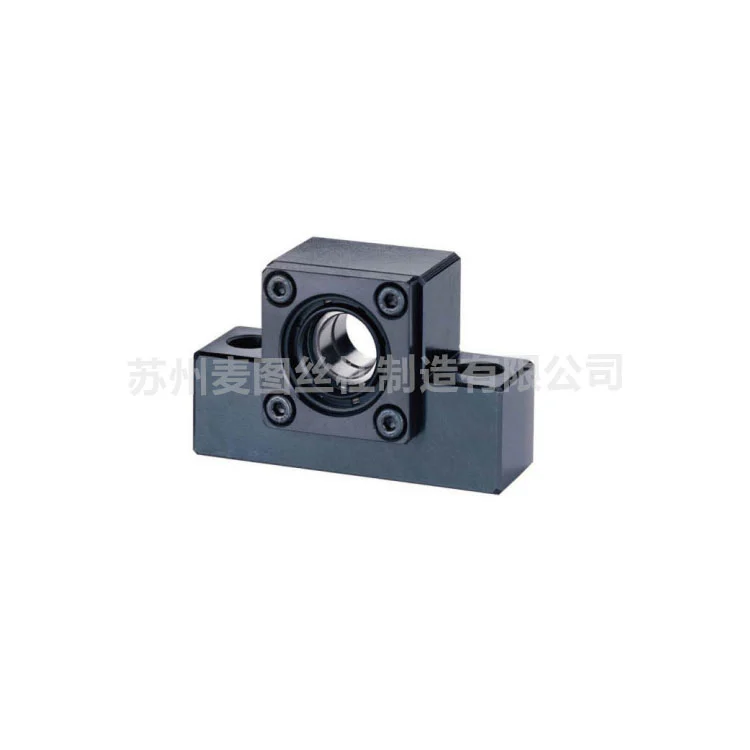
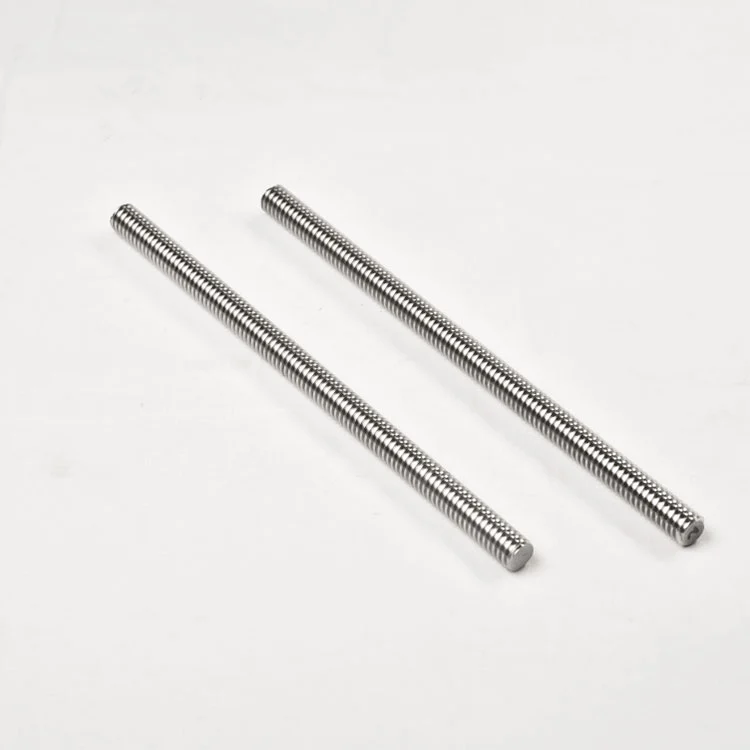
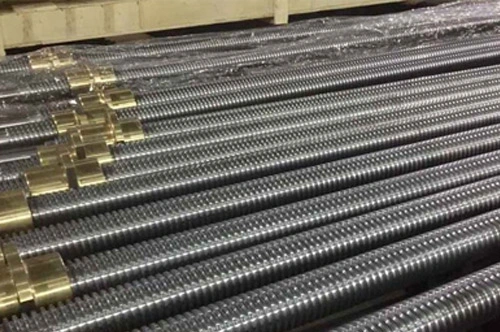
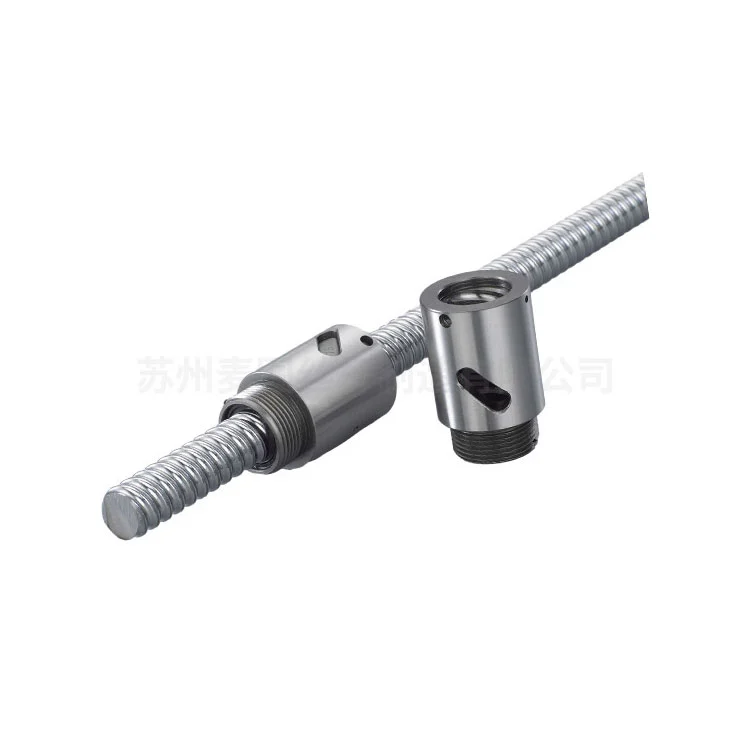
I treat Screw Accessories as any supporting part that improves the performance of a screw joint—either by spreading load, preventing loosening, protecting surfaces, sealing against moisture, improving alignment, or repairing weak threads. The screw is the “actor,” but the accessories are the stage lighting and harness that stop the whole show from collapsing.
- Washers (flat, fender, spring, sealing): spread load, protect surfaces, reduce embedment and loosening.
- Nuts (hex, flange, lock nuts): used with bolts/screw rods; lock types resist vibration.
- Anchors (plastic plugs, metal expansion anchors, chemical anchors): enable secure fastening in concrete, brick, stone.
- Thread-locking solutions (nylon insert nuts, lock washers, wedge-lock pairs, liquid threadlocker): keep joints tight under vibration.
- Spacers and standoffs: maintain consistent gap, align panels, avoid crushing softer materials.
- Thread inserts (helicoil-style, press-in, heat-set): repair stripped holes or strengthen soft materials like aluminum/plastics.
- Caps and covers: protect heads, reduce snagging, improve appearance, add weather protection.
- Gaskets and sealing washers: stop water ingress for outdoor enclosures, roofing, HVAC housings.
Reality check: If your joint loosens, rusts, squeaks, cracks the substrate, or leaks—there’s usually a missing or mismatched accessory in the stack-up, not just a “wrong screw.”
The real pain points screw accessories solve
Customers usually come in with symptoms. Here are the most common ones I hear, plus the Screw Accessories that typically fix them:
- “It keeps loosening.” Use lock nuts, wedge-lock washers, proper torque, and consider liquid threadlocker for high vibration.
- “The surface is getting crushed or dented.” Use larger OD washers (fender/flange) or spacers to spread load.
- “The hole stripped out.” Use thread inserts or switch to through-bolt with a nut and washer.
- “Rust is staining my product.” Select corrosion-resistant materials/coatings and avoid galvanic mismatch; add caps/seals outdoors.
- “It leaks after rain.” Use sealing washers or gasketed fasteners; verify clamp force and surface flatness.
- “Cracks in concrete/brick.” Choose the correct anchor type and edge distance; avoid over-expansion; consider chemical anchors.
- “Alignment is a nightmare.” Use spacers/standoffs, slotted washers, or guided inserts to control stack-up thickness.
How to choose screw accessories in 5 steps
When people “guess” accessories, they usually overpay or underperform. I use a simple workflow:
- Define the substrate. Metal sheet, wood, plastic, aluminum profile, concrete/brick—each demands different accessories (especially anchors and inserts).
- Identify the primary failure risk. Vibration? Corrosion? Leak path? Soft material crushing? Choose accessories that directly address that risk.
- Set the environment level. Indoor dry vs outdoor rain vs coastal/salt vs chemical exposure. Your material/coating choices will change.
- Confirm stack-up thickness. Add up plates, brackets, gaskets, and spacers. Then match screw length and ensure enough thread engagement.
- Choose a locking/sealing strategy (if needed). You don’t need every option at once; pick one reliable method and install it correctly.
Done right, Screw Accessories stop being a chaotic shopping list and turn into a controlled “joint design.” That’s how you keep returns and rework from eating your margins.
Selection table: accessory vs problem vs material
| Accessory | Best for | Common materials | Practical notes |
|---|---|---|---|
| Flat washer | Load spreading, surface protection | Carbon steel (zinc), stainless | Choose larger OD for soft materials; avoid undersized washers that “dish.” |
| Fender washer | Thin sheet, plastics, wood fibers | Zinc steel, stainless | Great for preventing pull-through on thin panels. |
| Sealing washer | Weatherproof joints | Stainless + rubber/EPDM | Don’t over-torque or you’ll crush the seal and create leaks later. |
| Nylon insert lock nut | Vibration resistance | Zinc steel, stainless | Temperature limits apply; replace after multiple reuses in critical joints. |
| Wedge-lock washer pair | High vibration machinery | Hardened steel, stainless | Excellent for keeping preload; requires flat, hard bearing surfaces. |
| Plastic wall plug | Light-duty masonry fastening | Nylon/PP | Choose correct drill size; avoid crumbly brick near edges. |
| Metal expansion anchor | Heavy loads in concrete | Zinc steel, stainless | Watch edge distance; over-tightening can crack weak concrete. |
| Thread insert | Stripped holes, soft materials | Stainless, brass | Best for repeat assembly; improves longevity for aluminum and plastics. |
| Spacers/standoffs | Alignment, gap control | Steel, stainless, aluminum, nylon | Prevents panel distortion; choose strength level for clamp loads. |
If you’re choosing Screw Accessories for a project with strict performance targets (outdoor frames, equipment housings, solar racking, HVAC, industrial guards), the table above should get you 80% of the way there quickly.
Building a reliable fastening stack-up
Most failures happen because the joint stack-up was never planned. Here’s a practical way to think about it:
Typical stack-up examples
- Thin sheet metal: screw + fender washer + sheet + backing plate or nut + lock strategy (lock nut / wedge-lock pair).
- Outdoor enclosure: screw + sealing washer + panel + gasketed interface + corrosion-resistant material choice.
- Repeated assembly: screw + washer + part + thread insert (instead of cutting threads into soft material).
The goal is stable clamp force. If the clamp force drops (due to vibration, embedment, thermal cycling, or soft materials), the joint starts moving—and movement creates more movement. The right Screw Accessories either maintain preload or reduce the conditions that steal it.
Material and coating compatibility
If you’ve ever seen white powder corrosion on aluminum, rust trails on stainless “because the washer wasn’t stainless,” or black stains after rain—this section is for you. Material mismatch can quietly destroy otherwise “strong” joints.
- Match the accessory to the screw when possible. A stainless screw with a carbon steel washer is a classic way to get rust rings.
- Watch galvanic pairs. Stainless fasteners on aluminum outdoors can accelerate corrosion unless you isolate with suitable washers/spacers.
- Consider coating thickness and fit. Heavy coatings can affect thread engagement and nut fit; confirm tolerances before mass assembly.
- Use sealing elements in wet cycles. Water + oxygen + trapped crevices create fast corrosion. Sealing washers/caps reduce those crevices.
Practical tip: If the project lives outdoors, treat corrosion resistance as a system—screw + washer + nut + anchor + cap. One weak link can stain the entire assembly.
What to check before you buy
Buying Screw Accessories isn’t just picking a name from a catalog. If you care about consistent assembly and fewer returns, ask these questions (or verify them internally):
- Dimensional consistency: inner/outer diameter, thickness, and flatness for washers; thread fit for nuts.
- Hardness and strength level: especially for locking systems and bearing surfaces in vibration joints.
- Coating uniformity: uneven coating can cause poor fit, flaking, and early corrosion.
- Traceability: batch identification and basic inspection records help when something goes wrong in the field.
- Application support: can the supplier recommend a stack-up for your substrate and environment?
At Suzhou Maitu Screw Rod Manufacturing Co., Ltd., the product page for screw accessories highlights practical categories used across industrial and construction scenarios. When you’re sourcing at scale, having a supplier who can discuss accessory selection as a joint system (not just a part number) saves you time and protects your end-product reputation.
Installation checklist that prevents 80% of failures
Even the best Screw Accessories can’t rescue poor installation. Here’s a field-friendly checklist:
Before tightening
- Verify drill size and hole quality (especially anchors and inserts).
- Confirm stack-up thickness and thread engagement length.
- Make sure bearing surfaces are clean and flat; remove burrs.
- Use the correct washer type (flat vs fender vs sealing) for the job.
During tightening
- Use consistent torque and the right driver bit to avoid cam-out and head damage.
- For sealing washers, tighten gradually and stop when the seal compresses evenly.
- For lock strategies, don’t “mix everything” unless specified; one solid method is better than three half-done methods.
After tightening
- Check for joint movement (wiggle test) and verify alignment.
- If outdoors, confirm caps/seals are seated and no gaps remain for water.
- For high-vibration assemblies, consider a short re-check interval after initial run-in.
FAQ
Do I need a washer with every screw?
Not always, but if you’re fastening thin sheet, soft wood, plastics, painted surfaces, or anything that dents easily, washers are one of the cheapest upgrades you can make. They help keep clamp force stable and reduce surface damage.
What’s the most reliable way to stop loosening under vibration?
Start with correct torque and a stable stack-up. Then choose one proven locking method: lock nuts, wedge-lock washer pairs, or a suitable threadlocking solution. Don’t rely on “extra tight” alone—over-tightening often damages threads or crushes materials.
Which accessories matter most for outdoor projects?
Focus on corrosion resistance and sealing: corrosion-resistant washers and nuts, sealing washers or gaskets, and protective caps where needed. Outdoor success is about the whole joint system, not just the screw grade.
How do I fix stripped threads without redesigning the part?
Thread inserts are often the fastest repair—especially in aluminum and plastics—because they restore thread strength and enable repeated assembly. In some cases, switching to a through-bolt and nut can also be a clean solution.
What’s a common mistake when buying screw accessories in bulk?
Mixing materials unintentionally. For example, pairing stainless screws with carbon steel washers can create rust stains that make your finished product look “defective” even if the joint is mechanically fine. Bulk buying should always include a compatibility check.
Final thoughts
Good Screw Accessories don’t just “add parts”—they remove uncertainty. They stop loosening, reduce corrosion, protect surfaces, improve alignment, and make assemblies repeatable. If you’re tired of field fixes, squeaks, rust trails, and rework, treat accessories as part of the fastening design from day one.
Ready to choose the right screw accessories for your project?
Tell Suzhou Maitu Screw Rod Manufacturing Co., Ltd. your substrate, environment, load needs, and quantity plan, and we’ll help you match a practical accessory set that fits your application. If you want fewer failures and smoother assembly, contact us and start the conversation.
Related News
- Can PEEK Trapezoidal Screw Nuts Withstand Regular Disinfection in Pharmaceutical Cleanrooms?
- How To Maintain PEEK Trapezoidal Screw Nuts On Textile Production Equipment?
- How Does PEEK Trapezoidal Screw Nut Reduce Textile Machine Downtime?
- How Can a C7 Large Lead Ball Screw for Material Handling Improve Speed, Precision, and Heavy-Duty Performance
- How Can Ultra Precision Linear Guides Improve Accuracy, Stability, and Reliability in Modern Motion Systems
- Why Is the C7 High Speed Large Lead Rolled Ball Screw for Robots a Smart Choice for Fast and Reliable Automation
Leave me a message