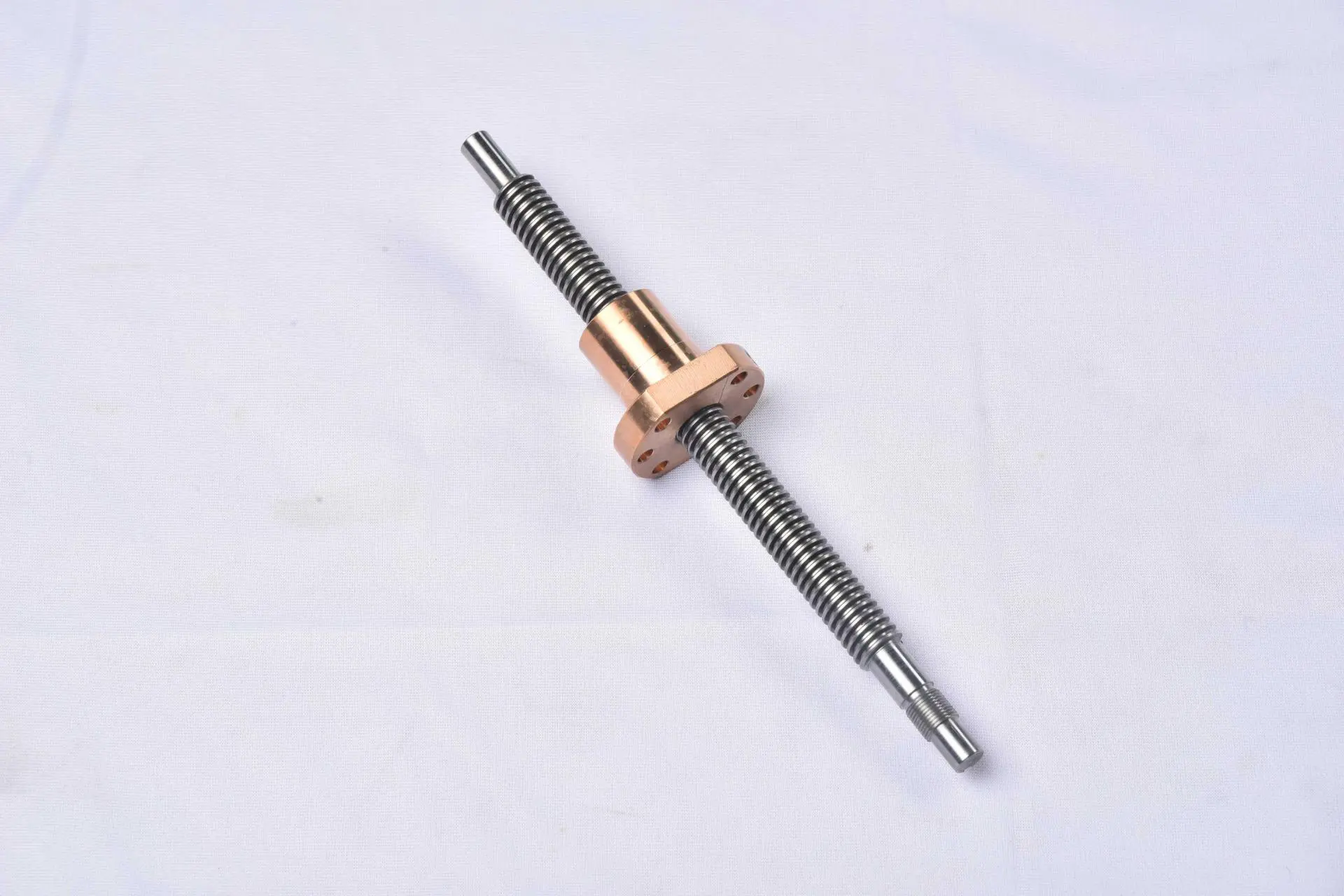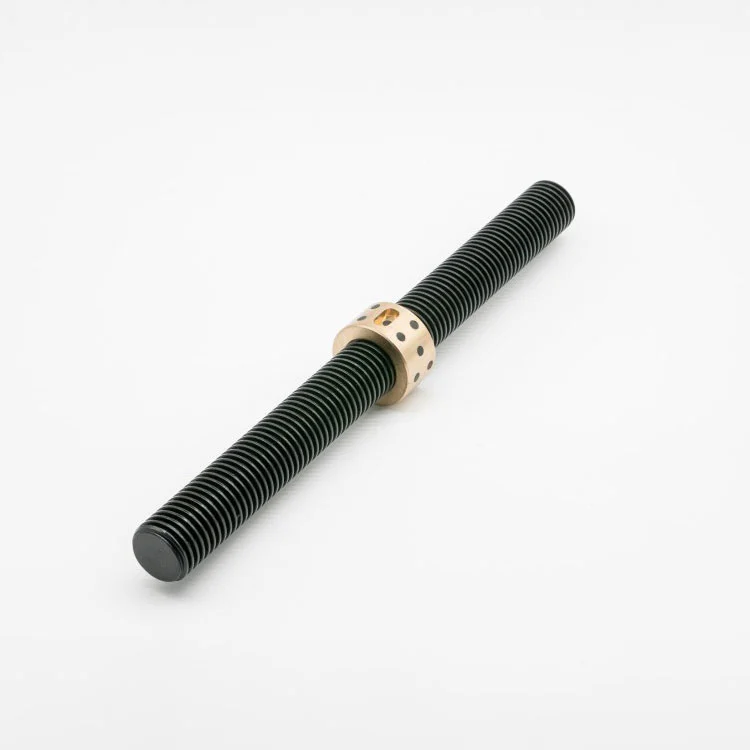
How Does Surface Treatment Improve ACME Trapezoidal Screws?
An ACME trapezoidal screw is an important power transmission component used in machinery, positioning systems, lifting equipment, and industrial automation. However, continuous friction, heavy loads, moisture, and exposure to chemicals can gradually affect its working performance. Surface treatment provides an effective way to improve wear resistance, corrosion protection, surface hardness, and operational stability.
This article explains the working principles of ACME trapezoidal screws, explores common surface treatment methods such as black oxidation, zinc plating, nickel plating, nitriding, carburizing, PTFE coating, and QPQ, and discusses how to select the right treatment for different industrial applications. It also highlights the importance of material compatibility, dimensional accuracy, and quality inspection when sourcing customized screws.
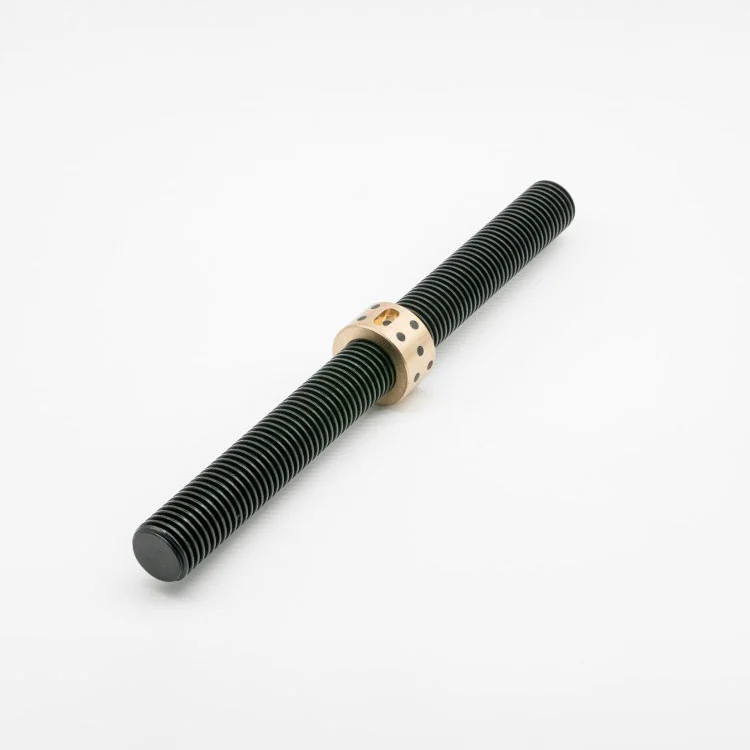
Table of Contents
- Understanding ACME Trapezoidal Screws
- Why Is Surface Treatment Important?
- Common Surface Treatment Methods
- Comparing Different Surface Treatments
- How to Choose the Right Surface Treatment
- Key Factors Affecting Screw Performance
- Quality Control and Inspection
- Industrial Applications
- Maintenance Recommendations
- Why Work with Suzhou Maitu Screw Rod Manufacturing Co., Ltd.?
- Frequently Asked Questions
- Get a Customized ACME Screw Solution
1. Understanding ACME Trapezoidal Screws
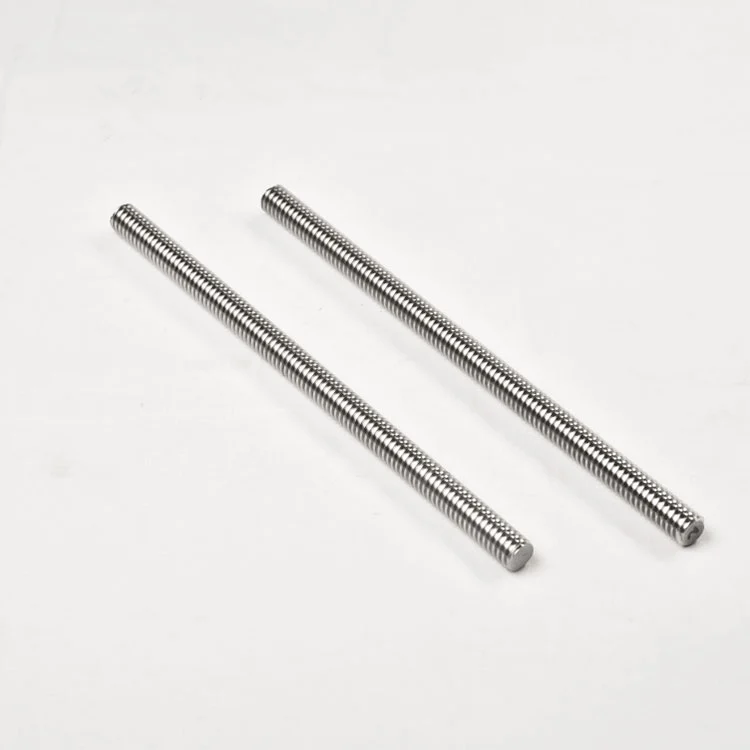
ACME trapezoidal screws are mechanical transmission components designed to convert rotary motion into linear movement. They are widely used in equipment that requires controlled positioning, load movement, lifting, or mechanical adjustment.
The ACME thread profile is characterized by a 29-degree included thread angle. Its geometry provides a practical balance between load transmission, thread strength, manufacturing requirements, and operating efficiency. This design makes ACME screws suitable for many industrial applications where reliable mechanical movement is essential.
How Does an ACME Screw Work?
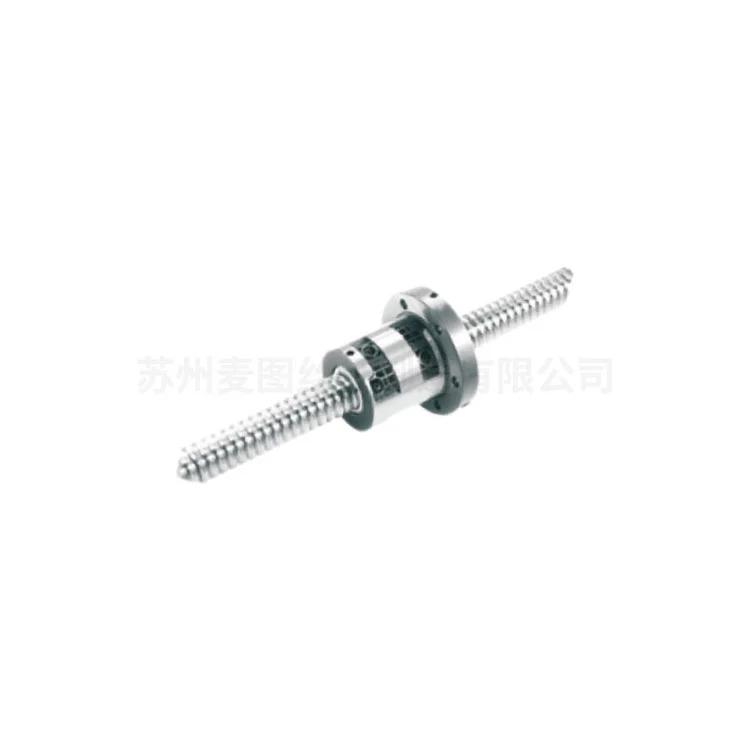
When a screw rotates, its mating nut moves along the threaded shaft. The relationship between screw rotation and linear travel depends on the lead, which represents the distance the nut travels during one complete revolution.
For example, a screw with a lead of 5 mm moves its nut approximately 5 mm per revolution, assuming there is no slip or other mechanical interference.
The overall performance of the transmission system depends on several factors:
- Thread geometry: Determines contact conditions and load distribution.
- Lead and pitch: Affect linear travel and positioning requirements.
- Base material: Influences strength, hardness, and fatigue resistance.
- Surface condition: Affects friction, wear, and corrosion behavior.
- Lubrication: Helps control friction and reduce premature wear.
Important distinction: ACME threads use a 29-degree included angle, while ISO metric trapezoidal threads generally use a 30-degree included angle. These profiles are not automatically interchangeable. Buyers should confirm the thread standard, dimensions, and mating nut specifications before ordering.
2. Why Is Surface Treatment Important for ACME Trapezoidal Screws?
Even when a screw is manufactured from suitable steel, its exposed surface can remain vulnerable to environmental conditions and mechanical contact. During operation, repeated contact between the screw and nut creates friction. Dust, moisture, chemical exposure, and inadequate lubrication may further accelerate deterioration.
Surface treatment modifies the outer layer of the component or adds a protective coating to address these challenges.
2.1 Improving Wear Resistance
Wear is one of the most common problems in screw transmission systems. Repeated sliding contact can gradually damage thread flanks, change clearances, and reduce positioning consistency.
Processes such as nitriding, carburizing, and QPQ can improve surface hardness and resistance to certain wear mechanisms when correctly matched to the base material and operating conditions.
2.2 Enhancing Corrosion Protection
Humidity, water, industrial chemicals, and outdoor storage can cause oxidation and corrosion. Corrosion may damage the thread profile and make installation or adjustment more difficult.
Zinc plating, nickel plating, black oxidation, and suitable protective coatings can help reduce corrosion risks. However, their effectiveness depends on coating thickness, preparation quality, exposure conditions, and maintenance.
2.3 Controlling Friction
Friction influences transmission efficiency, heat generation, and component wear. Some surface treatments, including PTFE-based coatings, can reduce friction under suitable conditions.
Nevertheless, a low-friction surface does not eliminate the need for correct lubrication, appropriate nut material, or proper load calculations.
2.4 Extending Service Life
A suitable surface treatment helps protect the working surface from environmental and mechanical damage. By reducing premature deterioration, it can lower replacement frequency and maintenance costs.
3. Common Surface Treatment Methods for ACME Screws
Different surface treatments offer different advantages. The right option depends on the screw material, thread dimensions, working environment, required hardness, friction conditions, and expected service life.
3.1 Black Oxidation
Black oxidation creates a dark conversion layer on the steel surface. It is commonly selected when buyers need an economical finishing process, improved appearance, and supplementary corrosion protection.
Main advantages:
- Provides a uniform black appearance.
- Offers limited corrosion protection when properly sealed and maintained.
- Generally causes minimal dimensional change.
- Can be suitable for general industrial components and indoor applications.
Black oxidation alone is not recommended as the only corrosion protection for screws exposed to severe moisture or aggressive chemicals. Proper oiling or additional protective measures may be necessary.
3.2 Zinc Plating
Zinc plating deposits a zinc layer onto the steel surface to provide sacrificial corrosion protection. It is frequently used for components that require protection during storage, transportation, and general industrial operation.
Its performance depends on coating thickness, passivation, environmental exposure, and the quality of the plating process. Buyers should specify the required coating and applicable standard rather than relying on the general description of zinc plating.
3.3 Nickel Plating
Nickel plating provides a metallic protective layer that can improve corrosion resistance, surface appearance, and certain surface characteristics.
Depending on the process, nickel plating can offer relatively uniform coverage and a durable finish. Electroless nickel plating is particularly useful when consistent coating distribution across complex geometries is required.
For threaded components, coating thickness and thread clearance must be considered to avoid interference with the mating nut.
3.4 Nitriding
Nitriding is a thermochemical surface-hardening process that introduces nitrogen into the surface of suitable steel materials. It creates a hardened case without requiring the same type of quenching used in conventional through-hardening processes.
Potential benefits include:
- Improved surface hardness.
- Better resistance to adhesive and abrasive wear in suitable applications.
- Improved fatigue performance under appropriate design conditions.
- Relatively limited dimensional distortion compared with some alternative hardening processes.
Nitriding requires careful material selection. Not every steel grade responds equally well, and the final surface properties depend on the treatment parameters and material composition.
3.5 Carburizing
Carburizing introduces carbon into the surface of suitable low-carbon steel components. Subsequent heat treatment produces a hard outer case while retaining a comparatively tough core.
This combination can be useful where components require a wear-resistant surface and adequate core toughness. However, the process can cause dimensional changes, so post-treatment machining or finishing may be necessary when tight tolerances are required.
3.6 PTFE Coating
PTFE coating is selected when reduced friction, chemical resistance, and non-stick surface characteristics are important.
It can be useful in applications involving sliding movement or certain chemically demanding environments. However, coating adhesion, operating temperature, contact pressure, and coating wear must all be evaluated before selecting this treatment.
3.7 QPQ Treatment
QPQ, commonly known as Quench-Polish-Quench, is a salt-bath nitriding-based surface treatment process. It is designed to improve surface hardness, wear resistance, and corrosion performance through controlled surface modification and finishing.
QPQ may be suitable for demanding industrial environments where multiple surface performance requirements need to be addressed. Its actual performance depends on the steel grade, treatment parameters, finishing quality, and specified acceptance criteria.
4. Comparing Different ACME Screw Surface Treatments
The following table provides a practical overview of commonly available treatments. It is intended as a selection guide rather than a guarantee of specific performance values.
| Surface Treatment | Main Benefits | Typical Considerations | Suitable Applications |
|---|---|---|---|
| Black Oxidation | Appearance improvement, limited corrosion protection | Additional oiling or protection may be required | Indoor machinery, general components |
| Zinc Plating | Corrosion protection, economical finishing | Coating thickness and passivation need control | General industrial equipment |
| Nickel Plating | Corrosion resistance, surface finish | Thread dimensions and coating uniformity matter | Precision mechanical components |
| Nitriding | Surface hardness, wear resistance | Requires suitable steel material | Repeated sliding and higher-wear applications |
| Carburizing | Hard case with a tough core | Heat-treatment distortion must be considered | Load-bearing mechanical components |
| PTFE Coating | Low friction, chemical resistance | Temperature, adhesion, and contact pressure limits | Low-friction and chemical-service applications |
| QPQ | Improved hardness, wear and corrosion performance | Material compatibility and process control | Demanding industrial environments |
There is no universally best treatment for every ACME trapezoidal screw. For example, a screw used in a dry indoor positioning system may have very different requirements from one installed in a humid industrial facility or a high-load mechanical lifting system.
5. How to Choose the Right Surface Treatment
Selecting a surface treatment should begin with the actual working conditions rather than simply choosing the hardest or most expensive coating.
Step 1: Identify the Operating Environment
Determine whether the screw will operate indoors, outdoors, in high humidity, near chemicals, or in environments containing dust and abrasive particles.
For example, zinc plating or nickel plating may be considered for general corrosion protection, while specialized coatings may be more appropriate for specific chemical exposure.
Step 2: Evaluate the Load and Wear Conditions
Consider the axial load, operating speed, duty cycle, frequency of movement, and contact pressure between the screw and nut.
For repeated sliding under demanding conditions, nitriding or QPQ may be worth evaluating. The final selection should also account for the mating nut material and lubrication method.
Step 3: Confirm the Base Material
Surface treatment cannot be selected independently of the base material. Carbon steel, alloy steel, stainless steel, and other materials respond differently to various treatment processes.
For example, nitriding requires a compatible steel composition to achieve the intended surface properties. A supplier should confirm the material-treatment combination before production.
Step 4: Check Thread Accuracy and Coating Thickness
This is particularly important for ACME trapezoidal screws. Unlike a flat plate, a threaded shaft contains complex contact surfaces and dimensional relationships.
Plating adds material to the thread surface and may affect the pitch diameter, major diameter, and clearance with the mating nut. The dimensional impact must be calculated and controlled.
For this reason, buyers should confirm whether thread dimensions refer to the condition before or after surface treatment.
Step 5: Consider Total Operating Cost
The lowest initial purchase price does not necessarily provide the best long-term value. A more suitable treatment may reduce downtime, maintenance frequency, and replacement expenses.
Evaluate the entire operating cycle, including procurement, installation, lubrication, maintenance, and replacement costs.
Practical purchasing tip: When requesting a quotation, provide the screw drawing, material requirements, thread dimensions, working environment, and desired surface treatment. This helps the manufacturer assess compatibility and avoid unnecessary revisions.
6. Key Factors Affecting Screw Performance
Surface treatment is important, but it is only one part of a complete screw transmission solution.
6.1 Thread Accuracy
Incorrect pitch, lead, thread angle, or pitch diameter can result in poor engagement, excessive backlash, and uneven contact. Dimensional accuracy should be checked against the specified drawing and thread standard.
6.2 Nut Material Compatibility
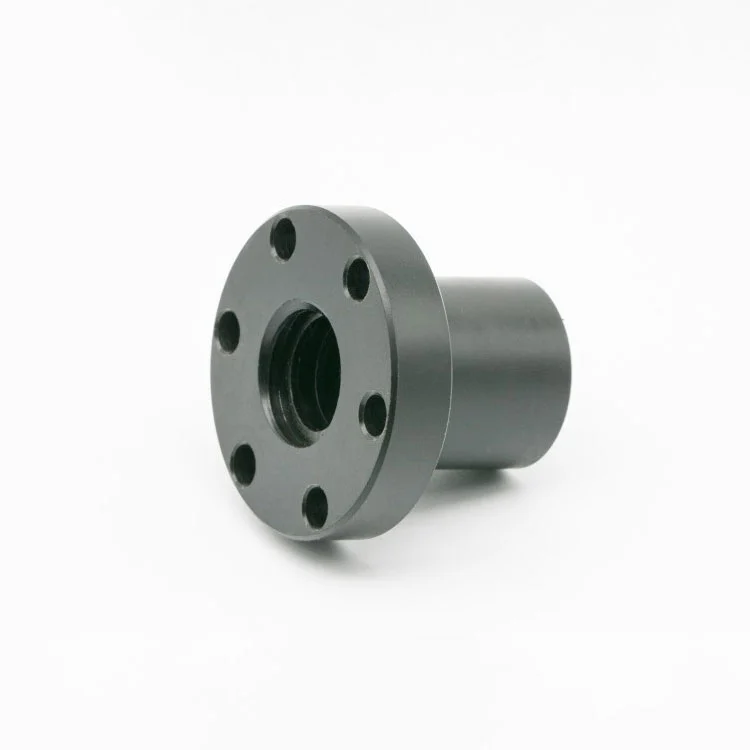
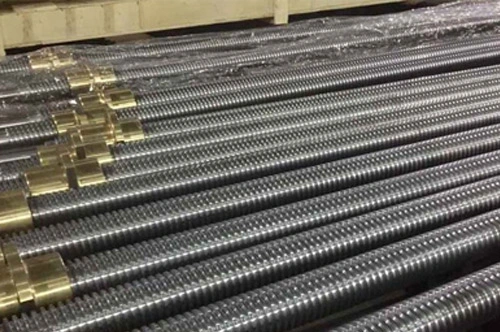
ACME screws can be paired with different nut materials, including bronze, plastic, and other engineered materials. Each combination has different friction, wear, load capacity, and lubrication characteristics.
6.3 Lubrication
Suitable lubrication helps reduce friction, heat generation, and wear. The lubrication method should be compatible with the screw coating, nut material, and operating environment.
6.4 Installation and Alignment
Misalignment between the screw, nut, bearings, and supporting structure can create uneven loading. This may lead to premature wear even when the screw has an appropriate surface treatment.
6.5 Operating Conditions
Temperature, speed, load variations, operating frequency, and contamination all influence service life. These conditions should be considered during initial product selection.
7. Quality Control and Inspection
For industrial buyers, surface treatment quality should be verified through measurable inspection criteria rather than appearance alone.
Important Inspection Items
- Material verification: Confirm the specified steel grade and material documentation.
- Thread inspection: Check major diameter, pitch, lead, thread profile, and pitch diameter.
- Surface hardness: Verify hardness where required, especially for nitriding and carburizing.
- Coating thickness: Measure the coating according to the specified process and inspection plan.
- Corrosion testing: Use an agreed salt spray or other suitable test method when corrosion performance is specified.
- Surface appearance: Check for peeling, cracks, uneven coating, scratches, or visible defects.
- Functional inspection: Verify thread engagement and compatibility with the designated nut.
Not every inspection applies to every treatment. Buyers should establish acceptance criteria with the manufacturer before mass production.
For plated ACME screws, special attention should be given to dimensional changes caused by coating buildup. Engineering guidance on power screw plating also highlights the need to account for coating thickness when evaluating thread dimensions.
8. Industrial Applications of ACME Trapezoidal Screws
ACME trapezoidal screws are used in a wide range of mechanical systems where controlled linear movement and load transmission are required.
Industrial Automation
They can be integrated into positioning mechanisms, adjustment assemblies, and automated equipment. Thread accuracy and repeatable movement are important for stable operation.
Lifting Equipment and Mechanical Jacks
ACME screws are commonly used in lifting and load-adjustment mechanisms. Load capacity, thread strength, lubrication, and safety factors should be carefully evaluated. Self-locking behavior must never be assumed without calculation and system-level safety assessment.
Packaging and Processing Machinery
Adjustment mechanisms in packaging and processing equipment may use lead screws to control mechanical movement. Corrosion protection and wear resistance help support reliable operation in the intended environment.
Machine Tools and Workholding Equipment
Lead screws can be used in mechanical positioning, clamping, and adjustment systems. Correct thread specifications and mating nut compatibility are essential for consistent performance.
Custom Mechanical Assemblies
OEM equipment manufacturers often require non-standard diameters, leads, thread lengths, end machining, or customized materials. Surface treatment can be incorporated into the manufacturing specification to meet application-specific requirements.
9. Maintenance Recommendations for Longer Service Life
Even a properly treated screw requires suitable maintenance. Regular inspection helps identify wear, corrosion, and installation problems before they cause major equipment downtime.
- Keep the thread surface clean: Remove dust, chips, and contaminants that may accelerate wear.
- Apply suitable lubrication: Follow the equipment manufacturer's recommendations for lubricant type and maintenance intervals.
- Inspect for corrosion: Check exposed surfaces, thread roots, and contact areas regularly.
- Monitor backlash: Increasing clearance may indicate wear in the screw or mating nut.
- Check alignment: Investigate uneven contact or unusual noise during operation.
- Avoid incompatible cleaning chemicals: Cleaning agents should not damage the protective coating.
Maintenance frequency should be based on actual operating conditions, duty cycle, and the equipment manufacturer's recommendations.
10. Why Work with Suzhou Maitu Screw Rod Manufacturing Co., Ltd.?
Choosing an ACME trapezoidal screw supplier involves more than comparing product prices. Buyers need a manufacturing partner that understands thread specifications, material selection, surface treatment compatibility, and application requirements.
Suzhou Maitu Screw Rod Manufacturing Co., Ltd. provides ACME trapezoidal screw solutions with customized surface treatment options for different industrial applications.
Customized Surface Treatment Options
Available treatment options include:
- Black oxidation
- Zinc plating
- Nickel plating
- Nitriding
- Carburizing
- PTFE coating
- QPQ treatment
- Other customized protective treatments subject to technical evaluation
Customized Product Specifications
Different equipment designs require different screw dimensions and configurations. Customized options can include:
- Major diameter and thread dimensions.
- Pitch, lead, and number of thread starts.
- Overall length and threaded length.
- End machining, including drilling, tapping, and grooving.
- Material selection according to the working environment.
- Surface treatment based on corrosion, friction, and wear requirements.
Application-Oriented Technical Support
Instead of selecting a treatment based only on its name, buyers should consider the relationship between the base material, working load, surface condition, and operating environment.
Suzhou Maitu Screw Rod Manufacturing Co., Ltd. offers customized solutions designed around customer drawings and application requirements. Discussing these technical details before production helps reduce specification misunderstandings and improve product compatibility.
For more information about the product, visit the ACME Trapezoidal Screw with Surface Treatment product page.
11. Frequently Asked Questions
Q1. What is the main purpose of surface treatment on an ACME trapezoidal screw?
The main purpose is to improve specific surface properties, such as wear resistance, corrosion protection, hardness, or friction behavior. The appropriate treatment depends on the screw material and operating conditions.
Q2. Which surface treatment is suitable for high-wear applications?
Nitriding and QPQ are possible options for suitable steel materials. Carburizing may also be considered for compatible components. The final choice depends on load, sliding conditions, material composition, and required surface properties.
Q3. Is black oxidation sufficient for outdoor ACME screws?
Black oxidation generally provides limited corrosion protection. For continuous outdoor exposure or high-humidity environments, a more suitable protective system, such as an appropriate plated or specialized coating, should be evaluated.
Q4. Does surface treatment change ACME screw dimensions?
Yes, some treatments add material to the surface and can affect thread dimensions and clearances. Plating thickness is particularly important. Conversion treatments and diffusion processes have different dimensional effects, which should also be considered during engineering evaluation.
Q5. Can an ACME trapezoidal screw be customized with different surface treatments?
Yes. Depending on material compatibility and production requirements, options may include black oxidation, zinc plating, nickel plating, nitriding, carburizing, PTFE coating, and QPQ treatment. Special requirements should be confirmed with the manufacturer before production.
Q6. How do I select the correct ACME screw specifications?
Confirm the thread standard, major diameter, pitch, lead, number of starts, overall length, end machining, axial load, operating speed, and mating nut material. Providing a technical drawing is the most effective way to communicate detailed requirements.
Q7. What information should I provide when requesting a quotation?
Provide the product drawing, required quantity, material, thread dimensions, surface treatment, operating environment, and any inspection or documentation requirements. Samples or reference components can also help clarify special requirements.
Q8. How can I extend the service life of an ACME trapezoidal screw?
Choose a suitable material and surface treatment, maintain proper lubrication, prevent contamination, ensure correct alignment, and inspect the thread condition regularly. The mating nut and supporting structure should also be maintained.
12. Get a Customized ACME Screw Solution
Surface treatment plays an important role in the durability and operating performance of ACME trapezoidal screws. However, the best results come from matching the treatment process with the screw material, thread specifications, load conditions, and working environment.
Whether your project requires improved corrosion protection, higher surface hardness, reduced friction, or customized thread dimensions, selecting the right manufacturing solution can help improve equipment reliability and control long-term maintenance costs.
Looking for a Reliable ACME Trapezoidal Screw Manufacturer?
Suzhou Maitu Screw Rod Manufacturing Co., Ltd. provides customized ACME trapezoidal screws with multiple surface treatment options to meet different industrial requirements.
Send us your drawings, dimensions, material specifications, and application details. Our team can help evaluate a suitable solution for your project.
Contact Us for a QuoteRelated News
- Which PEEK Trapezoidal Screw Nut for Textile Machinery Ensures Reliable Linear Motion Performance?
- Can PEEK Trapezoidal Screw Nuts Withstand Regular Disinfection in Pharmaceutical Cleanrooms?
- How To Maintain PEEK Trapezoidal Screw Nuts On Textile Production Equipment?
- How Does PEEK Trapezoidal Screw Nut Reduce Textile Machine Downtime?
- How Can a C7 Large Lead Ball Screw for Material Handling Improve Speed, Precision, and Heavy-Duty Performance
- How Can Ultra Precision Linear Guides Improve Accuracy, Stability, and Reliability in Modern Motion Systems
Leave me a message
News Recommendations