Which Metric Screw Stud Fits Your Assembly?
A Metric Screw Stud seems simple—just threaded rod with two working ends—but small choices in pitch, strength, coating, and tolerance can make the difference between a clean build and a headache of rework.
In this guide, I’ll walk you through a practical selection method used by engineers, buyers, and maintenance teams. Along the way, I’ll show you how to avoid the most common pitfalls and how to communicate your requirements clearly to a supplier such as Suzhou Maitu Screw Rod Manufacturing Co., Ltd. without drowning in jargon.
Article Summary
A Metric Screw Stud is often chosen because it saves space, improves serviceability, and provides reliable clamping in housings, flanges, and tapped bases. The most common customer pain points are mismatched pitch, insufficient thread engagement, incorrect strength class, corrosion issues, and unclear ordering details. This article gives a step-by-step selection workflow, a quick reference table, an ordering checklist, installation tips, and an FAQ to help you buy confidently and reduce failures.
- Pick the correct thread size and pitch first, then confirm tolerance class.
- Calculate thread engagement and grip length based on the joint stack-up.
- Match strength class and material to the load and temperature.
- Choose coating or stainless grade based on the environment.
- Send a complete spec list so quotes are comparable and accurate.
Contents
- Understanding metric screw studs in real assemblies
- The five mistakes that cause most stud problems
- A practical workflow to select the right stud
- Quick reference table for common conditions
- Ordering checklist for clear, fast quotations
- Installation and service tips that prevent failures
- What to look for in a stud manufacturer
- FAQ
Outline
- Define the joint: base material, tapped depth, and stack thickness.
- Select thread size and pitch based on design standards and load needs.
- Set engagement length and overall length to protect threads and clamping force.
- Choose strength class and material for mechanical and thermal demands.
- Choose surface protection for corrosion and assembly behavior.
- Confirm tolerances, testing, and documentation before mass production.
Understanding metric screw studs in real assemblies
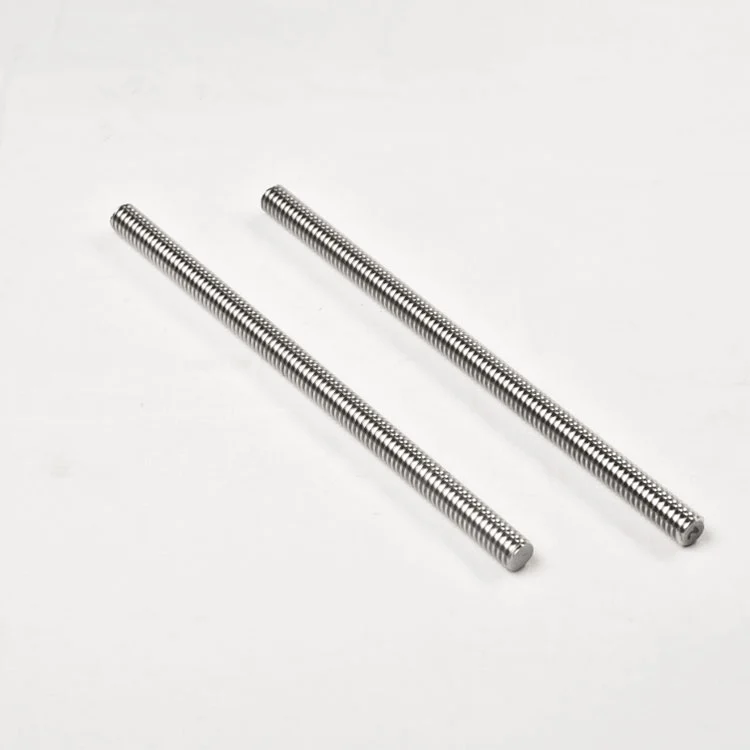
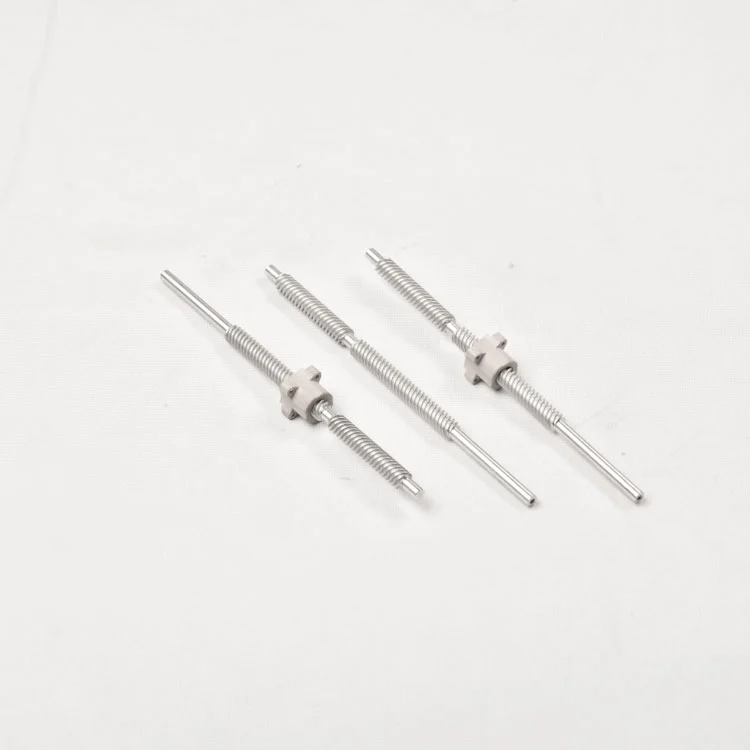
A Metric Screw Stud is a threaded fastener designed to join components where one side is typically installed into a tapped hole (or with a nut on both sides, depending on the design). Studs are common in:
- Flanged joints where repeated maintenance is expected (pumps, valves, gearboxes).
- Aluminum housings where you want to protect the base threads from repeated bolt insertion.
- High-temperature zones where controlled preload and service access matter.
- Space-constrained assemblies where bolts can’t be inserted easily.
Why studs are often preferred: you can install the stud once into the base, then remove and reinstall the nut during maintenance without wearing the tapped hole. That’s a big deal in softer materials and in equipment that sees frequent teardown.
The five mistakes that cause most stud problems
Most issues aren’t caused by “bad studs.” They’re caused by incomplete specs or assumptions. Here are the top five mistakes I see repeatedly:
- Mismatched pitch (for example, confusing coarse and fine pitch). A stud that starts smoothly and then binds is a classic sign.
- Insufficient thread engagement in the base material, especially in aluminum or cast iron.
- Incorrect strength class, leading to stretching, loss of clamp load, or brittle fracture in shock loading.
- Wrong surface finish for the environment (corrosion) or for assembly (galling, inconsistent torque-to-preload).
- Unclear tolerance and standard, which can create fit issues, inconsistent nuts, or inspection failures.
Fixing these is less about “buying premium” and more about specifying smartly.
A practical workflow to select the right stud
Here’s a straightforward method to select a Metric Screw Stud without overcomplicating the decision.
Step 1: Lock down thread size and pitch
- Start from your drawing or mating parts: M6, M8, M10, etc.
- Confirm pitch explicitly (example: M10 × 1.5 vs M10 × 1.25).
- If the stud must match existing nuts, washers, or tooling, treat pitch as non-negotiable.
Step 2: Determine how much thread you need in the base
Thread engagement is where many assemblies quietly fail. Too short and you risk pull-out; too long and you can bottom out, crack a thin wall, or jam against debris in the hole.
- For softer base materials, you generally need more engagement.
- For hard steels, you can often use less engagement while still meeting strength targets.
- Always account for tapped-hole depth, any unthreaded lead-in, and contamination risk (chips, coating buildup).
Step 3: Set grip length and overall length from the joint stack-up
Measure the total thickness of parts being clamped (flange + gasket + washer stack, etc.). Add:
- Enough protruding thread for full nut engagement
- Allowance for washers and any locking hardware
- A small margin so the nut doesn’t run out of threads during tightening
Step 4: Choose material and strength class for the load profile
This is where you align the stud with reality: static load, vibration, thermal cycling, and safety factors. A higher strength class isn’t automatically “better” if it reduces ductility or increases sensitivity to stress risers and poor installation.
- General industrial equipment: balanced strength and reliability.
- High vibration: focus on clamp load stability and proper locking strategy.
- Elevated temperature: consider strength retention, creep, and surface behavior.
- Corrosive environments: material and coating decisions often matter more than sheer strength.
Step 5: Select surface protection based on environment and assembly needs
Coatings don’t just fight corrosion—they change friction, which changes the relationship between torque and clamp load. That’s why two studs that “look the same” can behave very differently on the line.
- For wet or salt exposure, prioritize proven corrosion resistance.
- For stainless, plan for anti-seize strategies to reduce galling risk.
- For critical preload, standardize lubrication/finish to keep torque results consistent.
Step 6: Confirm tolerance and inspection expectations
If you’re supplying to an OEM or exporting to strict markets, tolerance class and inspection documentation can be just as important as the physical stud. Agree on what will be measured, how it will be measured, and what paperwork is expected.
Quick reference table for common conditions
| Typical condition | Main risk | What to prioritize | Practical notes |
|---|---|---|---|
| Aluminum housing with tapped holes | Thread pull-out / stripped base threads | Thread engagement, controlled installation torque | Consider installing studs once and servicing with nuts to protect the base |
| Outdoor equipment exposed to rain | Corrosion, seizure during maintenance | Corrosion-resistant finish, compatible nuts | Specify finish clearly; use matching hardware to avoid uneven corrosion |
| Marine or salt spray exposure | Rapid corrosion and thread damage | High corrosion resistance, sealed assembly strategy | Consider material upgrades and protective assembly practices |
| High vibration machinery | Loosening, clamp load loss | Stable preload, locking method, consistent friction | Locking is a system choice: nut type, washer, and installation process |
| High temperature zones | Preload relaxation, material performance changes | Material suitability, thermal cycling behavior | Confirm service temperature range and consider periodic retightening plans |
Ordering checklist for clear, fast quotations
If you want quick quotes and fewer surprises, send your supplier a complete specification. Here’s a practical checklist you can copy into your RFQ email or purchasing system:
- Fastener type: Metric screw stud (double-end, tap-end, fully threaded, or custom)
- Thread size and pitch: Example M10 × 1.5 (state both sides if different)
- Overall length: Include how it’s measured and any special end requirements
- Thread length: Fully threaded or partial, and any unthreaded shank needs
- Material and strength requirement: Include service temperature and load notes if critical
- Surface finish/coating: Corrosion expectations and color requirements if applicable
- Tolerance/class requirements: If your assembly is sensitive to fit, don’t leave this implied
- Quantity and delivery schedule: Prototype, pilot, and mass production volumes
- Documentation: Inspection report, material cert, mechanical testing, packaging labels
- Application notes: Base material (steel/aluminum), tapped depth, and any special constraints
When a supplier receives this level of clarity, you typically get more accurate pricing, fewer back-and-forth questions, and better consistency across batches of Metric Screw Stud production.
Installation and service tips that prevent failures
A good stud can still fail if installed poorly. Here are practical tips that reduce the most common field and assembly line issues:
- Clean the tapped hole before installation. Chips or coating buildup can cause bottoming and false torque.
- Avoid over-driving the stud. Bottoming can crack thin walls or distort threads.
- Control friction. If lubrication is used, standardize it. Changing lubrication changes achieved clamp load at the same torque.
- Prevent stainless galling. Use appropriate lubricants and assembly practices if stainless hardware is selected.
- Use a consistent tightening method for critical joints. Torque accuracy, sequence, and tool calibration matter more than people like to admit.
- Serviceability matters. If maintenance teams will remove nuts repeatedly, make corrosion resistance and anti-seize strategy part of the design.
These practices help your Metric Screw Stud deliver consistent preload and make future disassembly less painful.
What to look for in a stud manufacturer
When choosing a supplier, you’re not just buying a stud—you’re buying process control. A reliable manufacturer should be able to support:
- Clear traceability between batches and documentation.
- Stable production controls so prototypes match mass production.
- Consistent threading and gauging to reduce fit problems with nuts and tapped holes.
- Coating and packaging discipline to prevent corrosion during transit and storage.
- Customization support for lengths, end styles, or special requirements.
If you’re comparing suppliers, ask how they control critical characteristics (thread quality, finish consistency, and inspection methods). For teams purchasing at scale, working with a specialized producer like Suzhou Maitu Screw Rod Manufacturing Co., Ltd. can simplify communication and keep your stud specs consistent from quote to delivery.
FAQ
How many times should the keyword appear in a product-focused article?
Enough to stay clear and consistent for readers—typically several natural mentions spread across the article. In practice, if the topic is genuinely centered on a Metric Screw Stud, the wording will appear organically without forced repetition.
How do I avoid ordering the wrong pitch?
Always specify both diameter and pitch in writing (for example, “M10 × 1.5”). If the assembly includes existing nuts or tapped holes, verify pitch with gauges or the original drawing rather than assumptions.
What is the biggest cause of stripped threads in tapped bases?
Insufficient engagement in softer materials, contamination in the hole, or over-torque during installation are common causes. Make engagement and installation process part of your specification, not an afterthought.
Is stainless always the best for corrosion resistance?
Not always. Stainless can be excellent in many environments, but it may introduce galling risk and may not be the best choice for every load and temperature profile. Consider the full environment and assembly method.
Why does coating affect tightening results?
Because coating changes friction. Friction changes how much clamp load you get at a given torque. If preload consistency matters, standardize coating and lubrication practices.
What details should I include when asking for a quote?
Thread size and pitch, overall length, thread length, material/strength requirement, surface finish, tolerance expectations, quantity, and documentation needs. The ordering checklist above is a good template.
How can I reduce loosening in vibrating equipment?
Start with correct preload and consistent installation. Then choose a locking strategy appropriate for your design (nut type, washer system, or other locking approach). Loosening is usually a system issue, not just a stud issue.
What should I do if field maintenance keeps damaging studs?
Focus on corrosion resistance, service procedures (cleaning and lubrication), and training for correct tightening. In some cases, upgrading finish, changing nut type, or refining engagement design can significantly extend service life.
When the right Metric Screw Stud is specified clearly, installed correctly, and matched to the environment, it becomes one of those “boring” parts that never makes the failure report—which is exactly what you want.
If you’d like help selecting options for your specific application or need a quote based on your drawing and usage conditions, contact us at Suzhou Maitu Screw Rod Manufacturing Co., Ltd. and share your thread size, pitch, length, environment, and quantity requirements.
Related News
- Can PEEK Trapezoidal Screw Nuts Withstand Regular Disinfection in Pharmaceutical Cleanrooms?
- How To Maintain PEEK Trapezoidal Screw Nuts On Textile Production Equipment?
- How Does PEEK Trapezoidal Screw Nut Reduce Textile Machine Downtime?
- How Can a C7 Large Lead Ball Screw for Material Handling Improve Speed, Precision, and Heavy-Duty Performance
- How Can Ultra Precision Linear Guides Improve Accuracy, Stability, and Reliability in Modern Motion Systems
- Why Is the C7 High Speed Large Lead Rolled Ball Screw for Robots a Smart Choice for Fast and Reliable Automation
Leave me a message