How to Optimize Rolled Ball Screws for Precision Applications?
Abstract: Rolled Ball Screws play a critical role in modern machinery, enabling high precision, efficient motion transfer, and durability. This guide provides an in-depth exploration of rolled ball screws, their technical specifications, common questions, and best practices for application optimization. By understanding detailed parameters and industry insights, engineers and technicians can maximize performance while reducing maintenance challenges.

Table of Contents
- Introduction to Rolled Ball Screws
- Technical Specifications and Parameters
- Rolled Ball Screws FAQs
- Application Insights and Brand Information
Introduction to Rolled Ball Screws
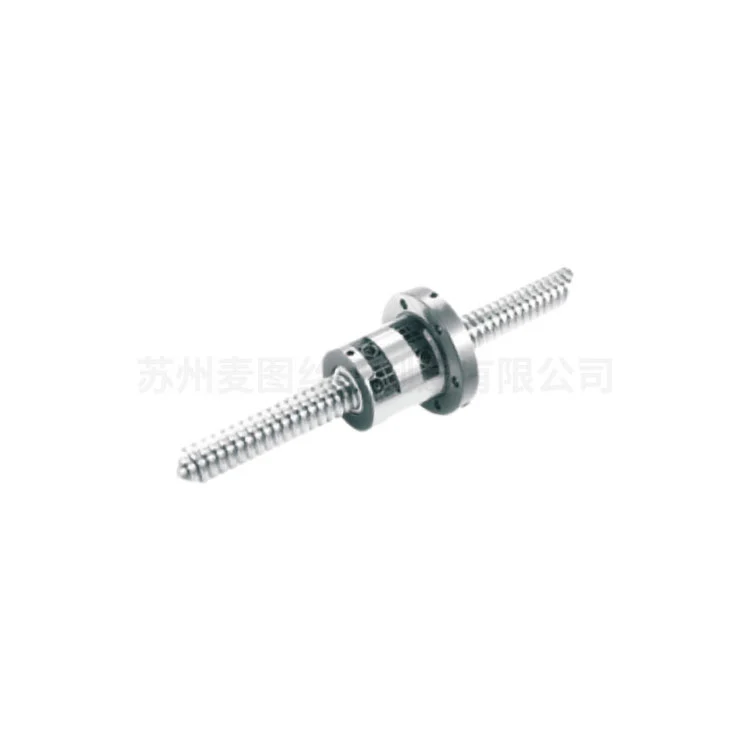
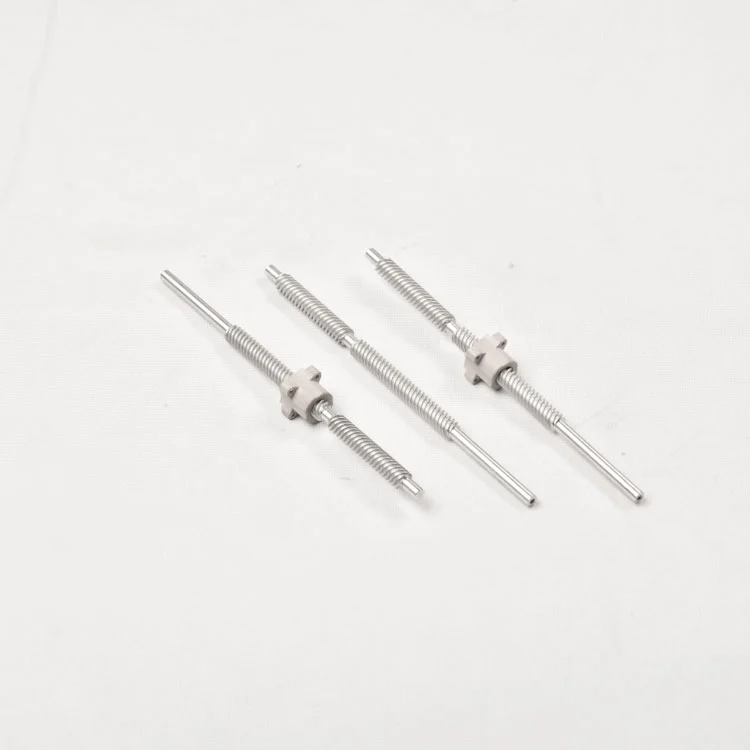
Rolled Ball Screws are precision mechanical components designed to convert rotational motion into linear motion with minimal friction. Unlike ground ball screws, rolled ball screws are manufactured using a rolling process, which allows cost-effective production while maintaining reasonable accuracy and high load capacity. These components are widely used in CNC machinery, robotics, aerospace mechanisms, and industrial automation.
The primary goal of this article is to provide a complete reference for selecting, maintaining, and troubleshooting rolled ball screws. It also addresses common industry concerns and provides technical guidelines for engineers.
Technical Specifications and Parameters
The following table summarizes the key parameters of rolled ball screws:
| Parameter | Typical Range | Description |
|---|---|---|
| Lead (mm) | 5 - 40 | Distance the nut moves per screw revolution |
| Diameter (mm) | 12 - 63 | Screw shaft diameter affecting load capacity |
| Accuracy Class | C7 - C5 | Precision level, C5 is higher than C7 |
| Max Axial Load (kN) | 10 - 120 | Maximum axial force screw can sustain |
| Ball Recirculation | Circulation System | Ensures continuous motion of the balls inside the nut |
| Lubrication | Oil/Grease | Essential for reducing wear and extending lifespan |
Rolled Ball Screws FAQs
Q1: How do rolled ball screws differ from ground ball screws?
A1: Rolled ball screws are manufactured using a rolling process that shapes the screw thread under pressure, resulting in a cost-effective solution with moderate accuracy. Ground ball screws are precision-ground and typically offer higher accuracy and smoother motion but come at a higher cost. Rolled screws are suitable for applications where extreme precision is not mandatory but reliability and cost efficiency are desired.
Q2: How can the lifespan of rolled ball screws be maximized?
A2: Proper lubrication is critical; oil or grease reduces friction and wear. Maintaining correct preload in the nut prevents backlash. Periodic inspection for misalignment, contamination, and wear ensures consistent performance. Operating within the rated load capacity and avoiding excessive speeds will also prolong service life.
Q3: How do environmental factors affect rolled ball screw performance?
A3: Contaminants such as dust, metal chips, or humidity can increase wear and reduce efficiency. Using protective covers or bellows prevents debris entry. Extreme temperatures may change material properties, requiring high-temperature-grade screws or additional lubrication strategies.
Application Insights and Brand Information
Rolled Ball Screws are applied across a wide spectrum of industries, including:
- CNC machinery for high-precision movement of milling and cutting tools.
- Robotics for linear actuators and automated positioning systems.
- Aerospace mechanisms requiring reliable motion transfer under varying loads.
- Industrial automation, including assembly lines and inspection equipment.
Optimizing a rolled ball screw involves selecting the correct lead, diameter, and load rating based on the intended application. Regular maintenance, correct lubrication, and environmental protection are essential strategies to enhance performance. For professionals seeking reliable solutions, Maitu provides high-quality rolled ball screws that meet global standards.
For further inquiries or to explore product options, contact us today.
Related News
- Can PEEK Trapezoidal Screw Nuts Withstand Regular Disinfection in Pharmaceutical Cleanrooms?
- How To Maintain PEEK Trapezoidal Screw Nuts On Textile Production Equipment?
- How Does PEEK Trapezoidal Screw Nut Reduce Textile Machine Downtime?
- How Can a C7 Large Lead Ball Screw for Material Handling Improve Speed, Precision, and Heavy-Duty Performance
- How Can Ultra Precision Linear Guides Improve Accuracy, Stability, and Reliability in Modern Motion Systems
- Why Is the C7 High Speed Large Lead Rolled Ball Screw for Robots a Smart Choice for Fast and Reliable Automation
Leave me a message