

Industry News
In this part, we will share more information about our products and some knowledge in our industry. Welcome to contact us.
 26 2026-03
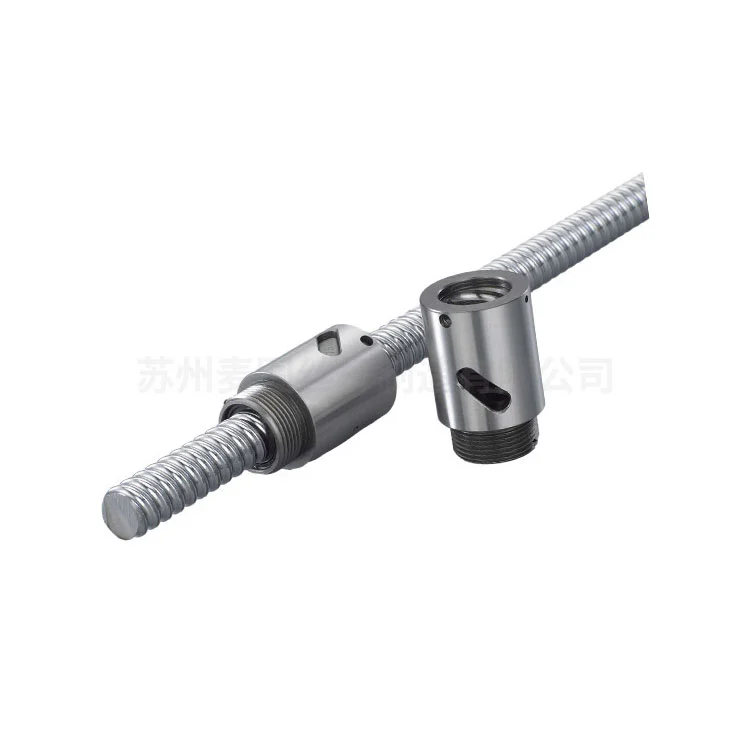
 How a Ball Screw Improves Precision in CNC Machines and Automation Systems?
Explore how a Ball Screw enhances precision in CNC machines and automation systems.
 23 2026-03
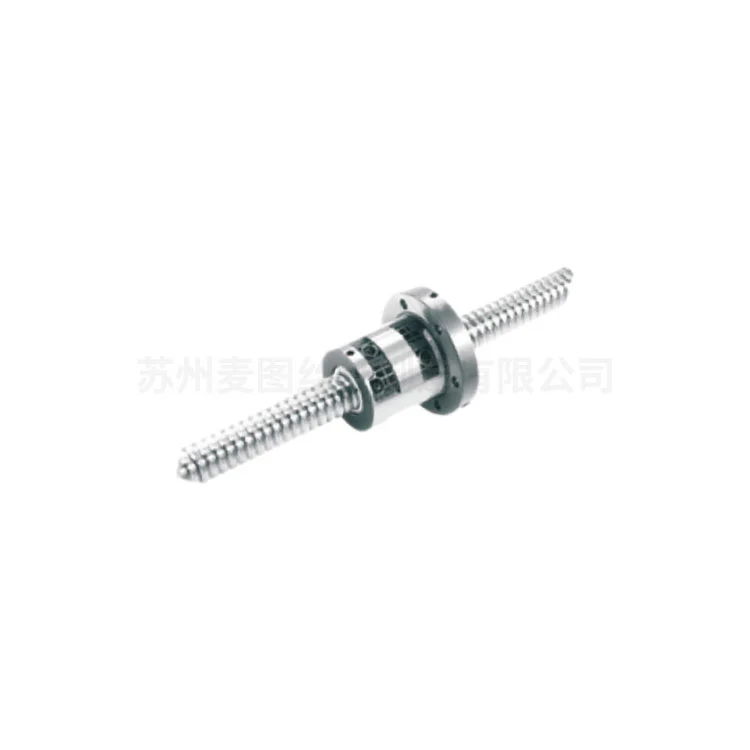
 What Makes Large Lead Rolled Ball Screws Essential for High-Speed Industrial Applications
Large Lead Rolled Ball Screws are increasingly becoming a critical component in modern industrial automation, offering high-speed linear motion, cost efficiency, and durability. This comprehensive guide explores their working principles, advantages, applications, and how to choose the right product for your needs.
 17 2026-03
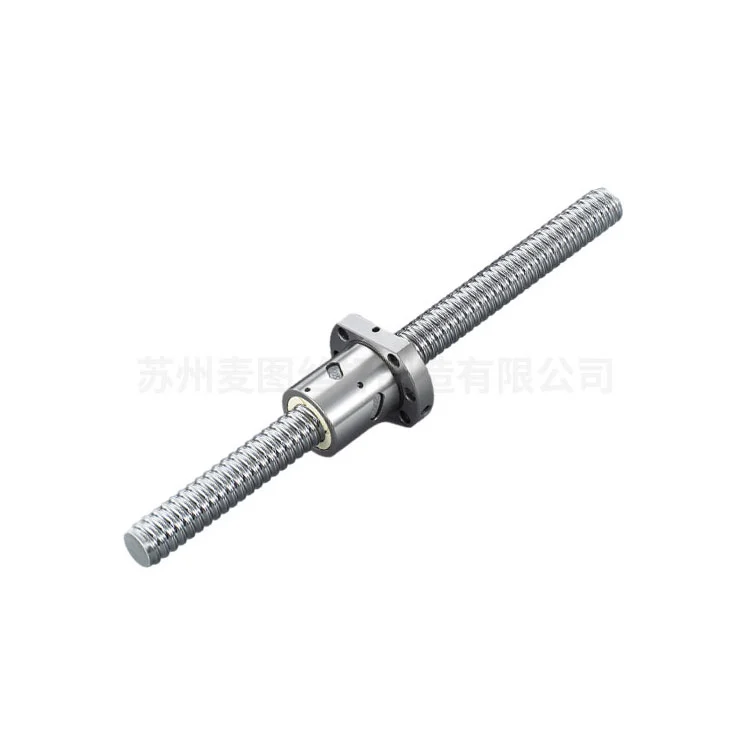
 What Makes Double Nut Rolled Ball Screws the Best Choice for High-Precision Motion Control Systems
In modern automation, precision motion components play a crucial role in ensuring efficiency, accuracy, and durability. One of the most reliable transmission components used in CNC machines, robotics, and industrial automation is the Double Nut Rolled Ball Screw. This advanced mechanical component is widely known for its excellent load capacity, reduced backlash, and high positioning accuracy.
 12 2026-03
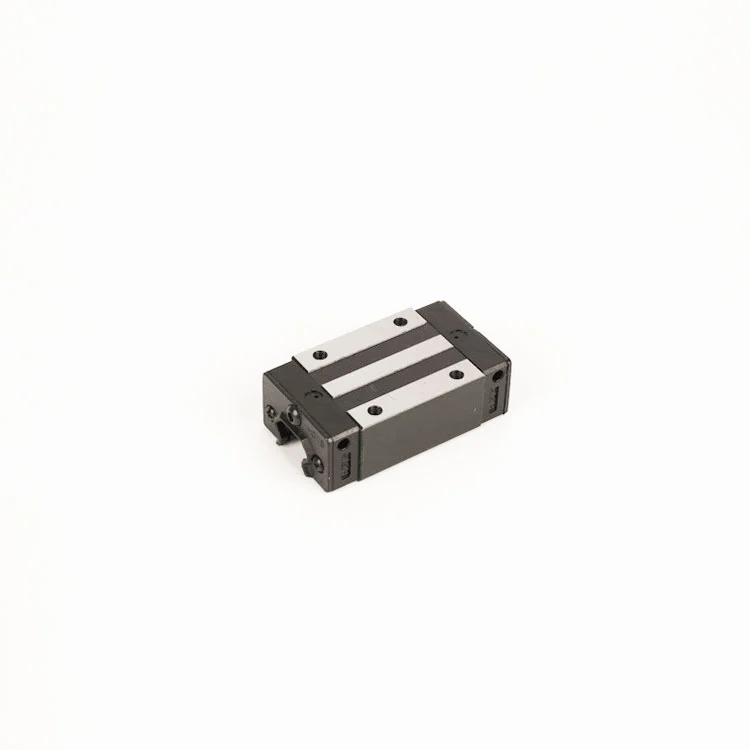
 Why Are Linear Guides Blocks So Important for Stable and Accurate Motion?
When a machine shakes, binds, drifts, or wears out faster than expected, the problem is often not the motor, controller, or software.
 06 2026-03
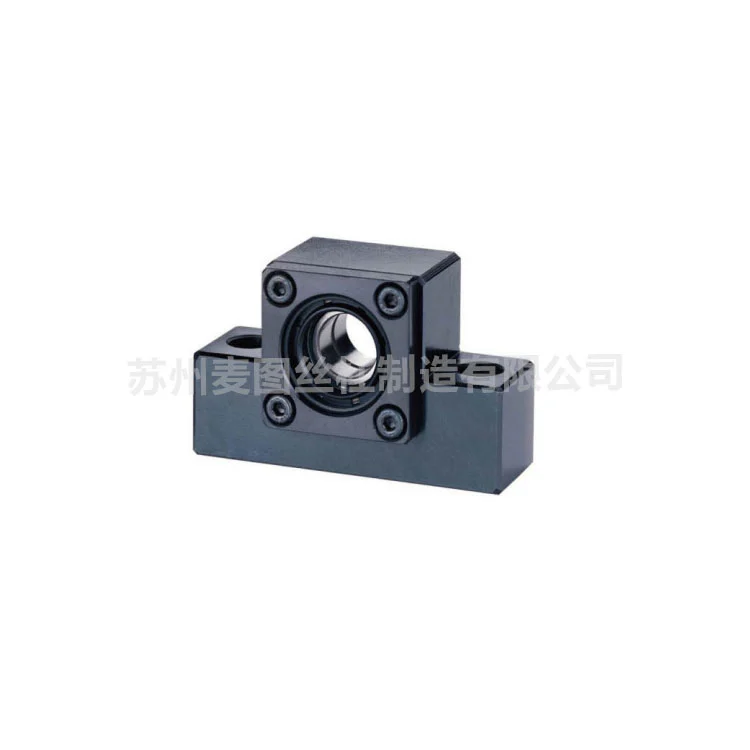
 Why Do Screw Accessories Matter More Than Most Buyers Expect?
Many buyers focus on the screw itself and overlook the parts that support, align, protect, and stabilize the entire transmission system. In actual operation, however, the long-term performance of a screw assembly often depends on the quality and compatibility of its accessories.
 25 2026-02
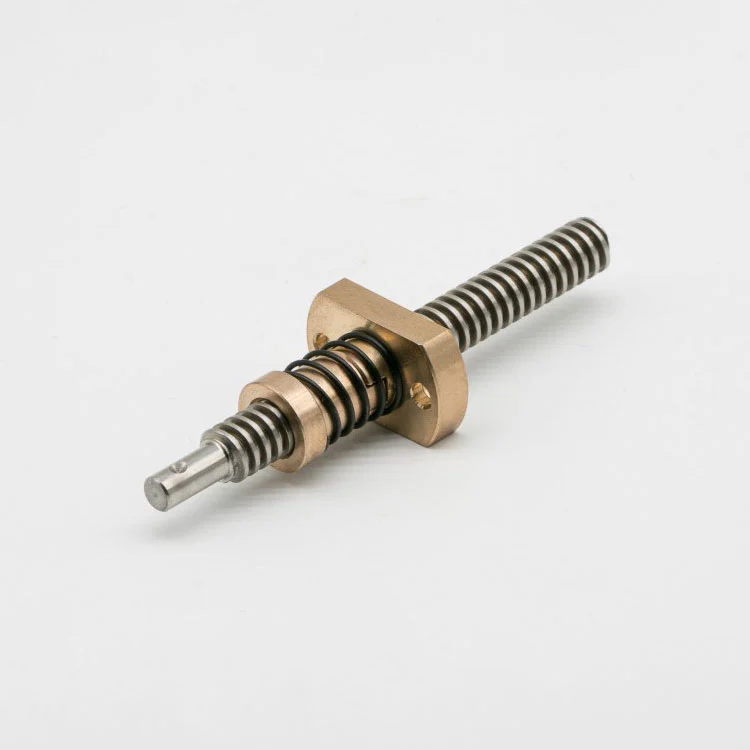
 Why Should You Choose a Trapezoidal Screw for Reliable Linear Motion?
A Trapezoidal Screw is widely used in machinery because it offers dependable thrust transmission, stable motion, and a practical balance between performance and budget.