

Industry News
In this part, we will share more information about our products and some knowledge in our industry. Welcome to contact us.
 11 2026-02
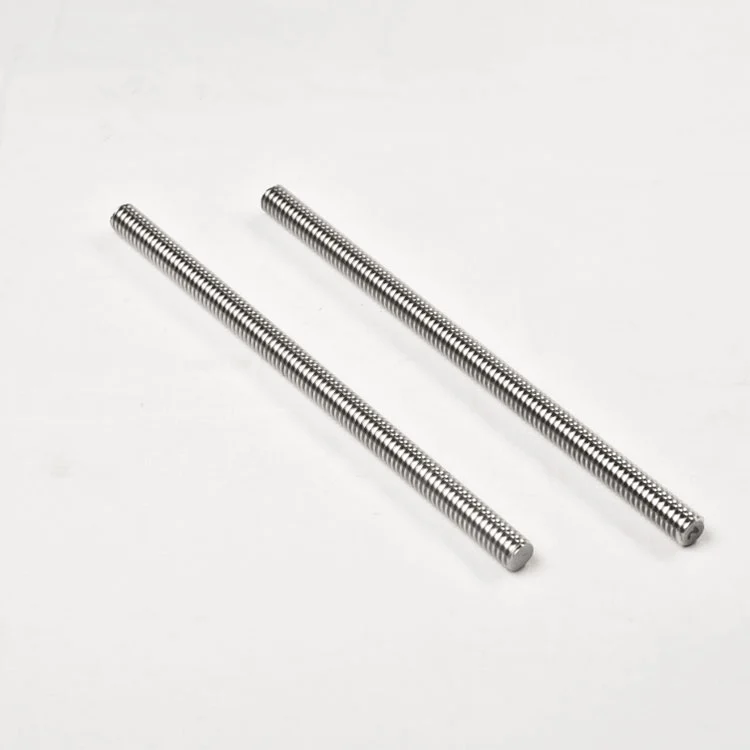
 Which Metric Screw Stud Fits Your Assembly?
A Metric Screw Stud seems simple—just threaded rod with two working ends—but small choices in pitch, strength, coating, and tolerance can make the difference between a clean build and a headache of rework.
 05 2026-02
 What is the Acme Trapezoidal Screw and How Can It Benefit Your Industry?
The Acme Trapezoidal Screw is a versatile and reliable component that plays a critical role in numerous industrial applications.
 29 2026-01
 How Do Linear Guides Deliver Precision Motion in Real Factories?
Linear Guides sit at the quiet center of modern automation: CNC routers, laser cutters, pick-and-place systems, packaging lines, inspection gantries, and more.
 22 2026-01
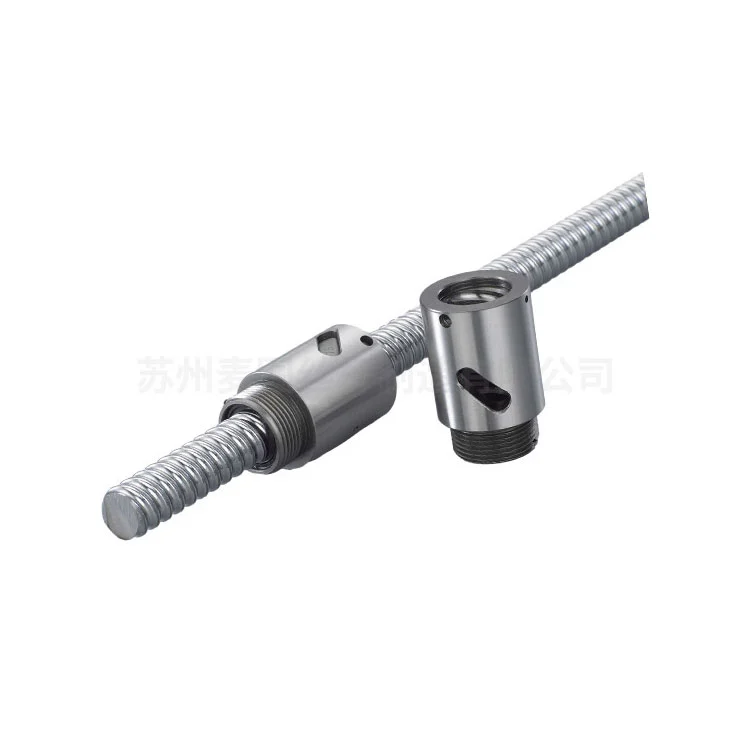
 How Can a Precision Ball Screw Fix Positioning Errors and Downtime in Motion Systems?
A Precision Ball Screw is often the difference between a motion system that “mostly works” and one that holds tolerance all day.
 16 2026-01
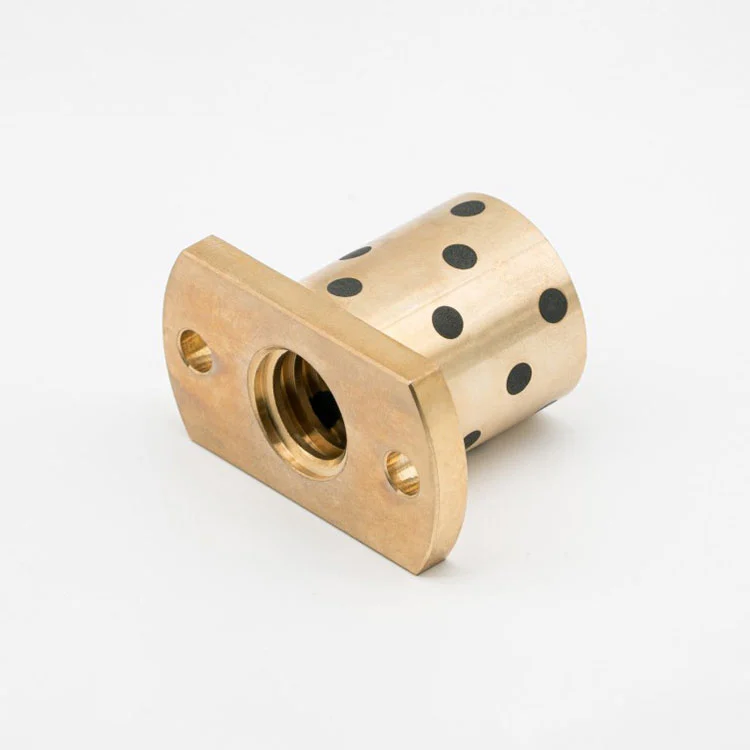
 Which Trapezoidal Screw Nut Should You Choose for Smooth, Reliable Linear Motion?
A Trapezoidal Screw Nut looks simple—until your machine starts chattering, drifting out of position, or wearing out far sooner than expected.
 12 2026-01
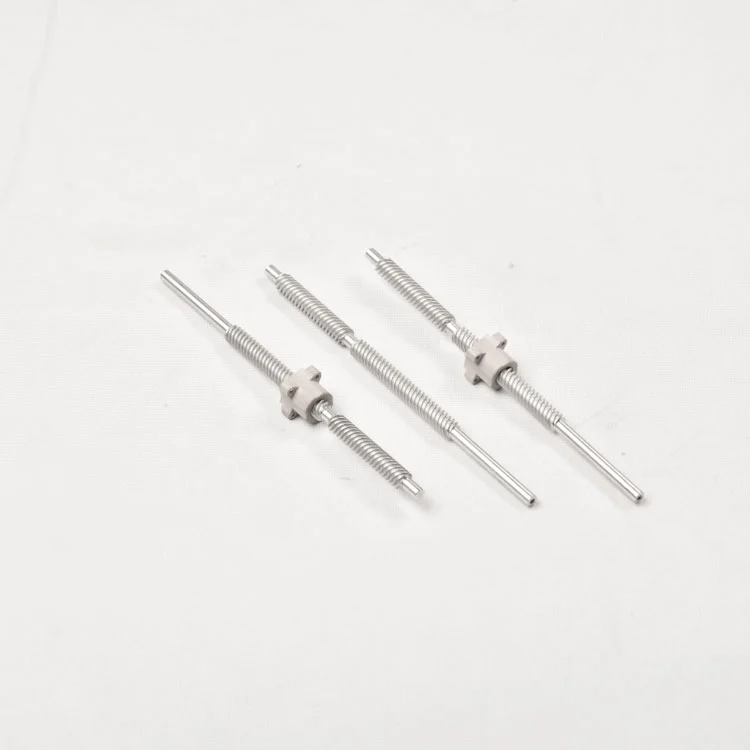
 Why Choose a Multi-Start Trapezoidal Screw for Faster, Smoother Linear Motion?
If your machine needs to move a load quickly, quietly, and reliably, a standard lead screw can start to feel like a bottleneck: too slow at practical motor speeds, too much friction under load, or too sensitive to dust and maintenance.