

News
We are glad to share with you about the results of our work, company news. Newest innovations, exhibitions & tech breakthroughs. Latest selling machine insights!
 12 2026-01
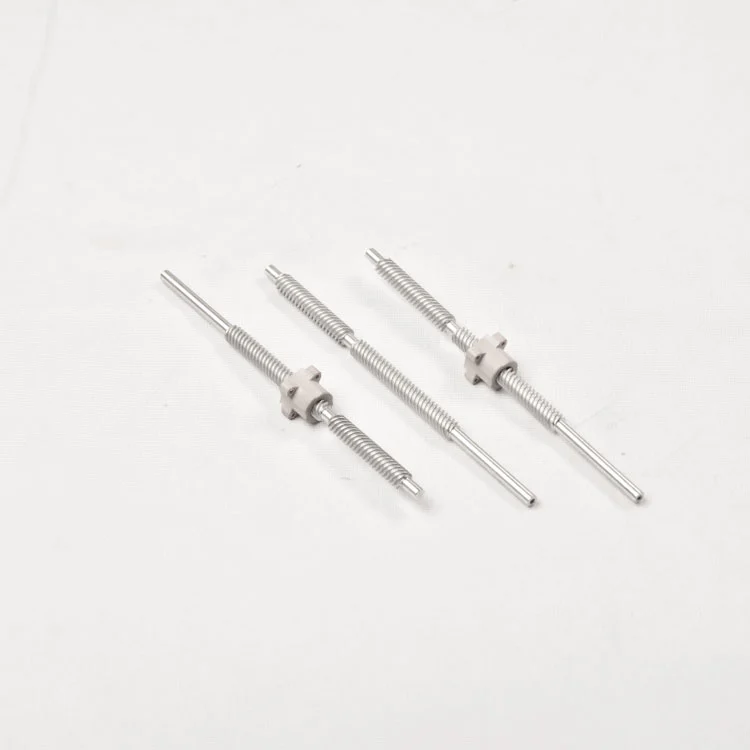
Why Choose a Multi-Start Trapezoidal Screw for Faster, Smoother Linear Motion?
If your machine needs to move a load quickly, quietly, and reliably, a standard lead screw can start to feel like a bottleneck: too slow at practical motor speeds, too much friction under load, or too sensitive to dust and maintenance.
 07 2026-01
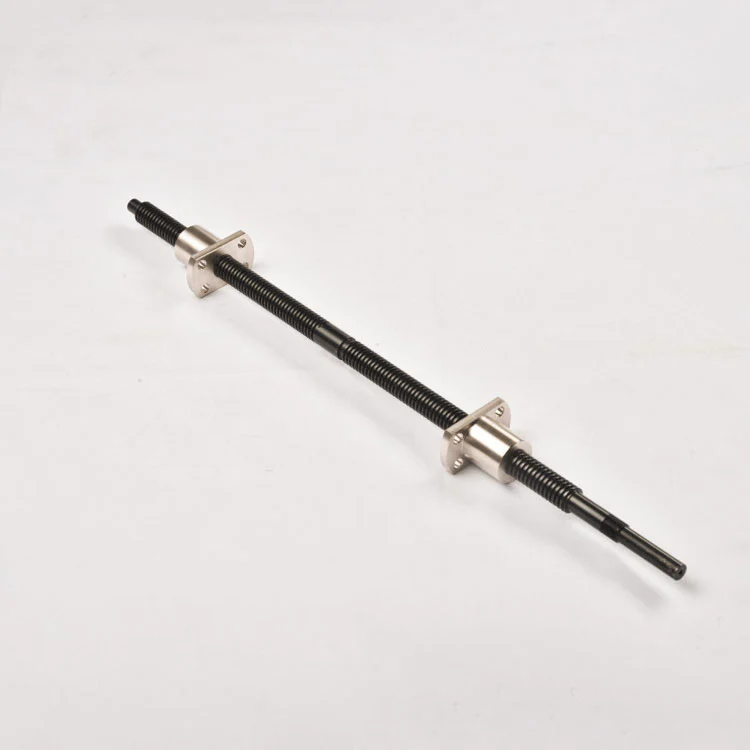
Why Choose a Trapezoidal Lead Screw for Practical, Reliable Linear Motion?
If you’ve ever dealt with noisy actuators, inconsistent positioning, early wear, or “mystweetspot-is-never-right” maintenance schedules, you already know the hidden cost of choosing the wrong drive mechanism.
 04 2026-01
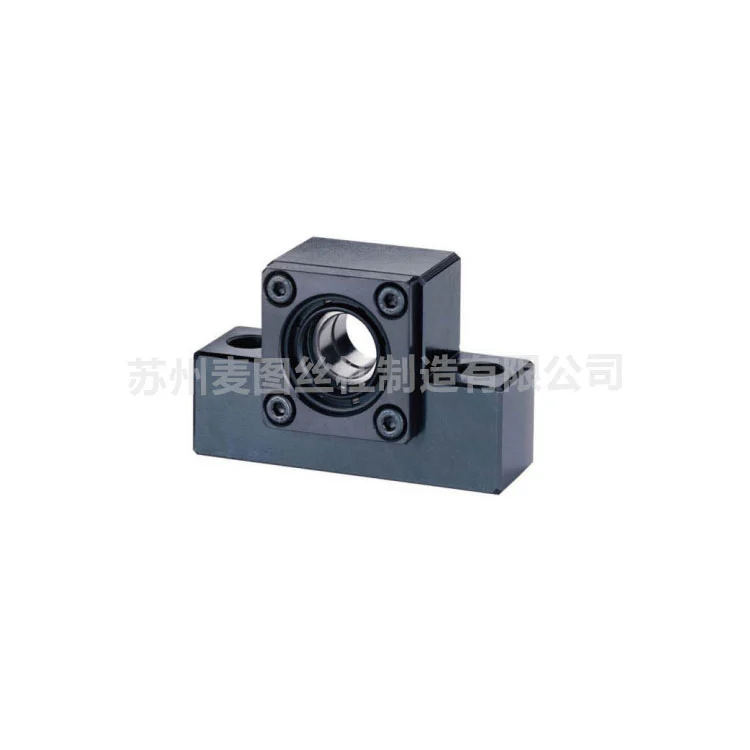
Which Screw Accessories Keep Your Fastening Jobs From Failing?
Fasteners rarely fail because “the screw was bad” alone. Most real-world problems come from load spreading, vibration, corrosion, material mismatch, and poor stack-up design.
 29 2025-12
How Does a Trapezoidal Screw Deliver Smooth Linear Motion in Real Machines?
If your actuator drifts under load, your stage chatters, or your mechanism binds after a few weeks, the problem is often not “bad luck”— it’s mismatch: lead, diameter, nut material, lubrication, alignment, and end support were not chosen as a system.
 24 2025-12
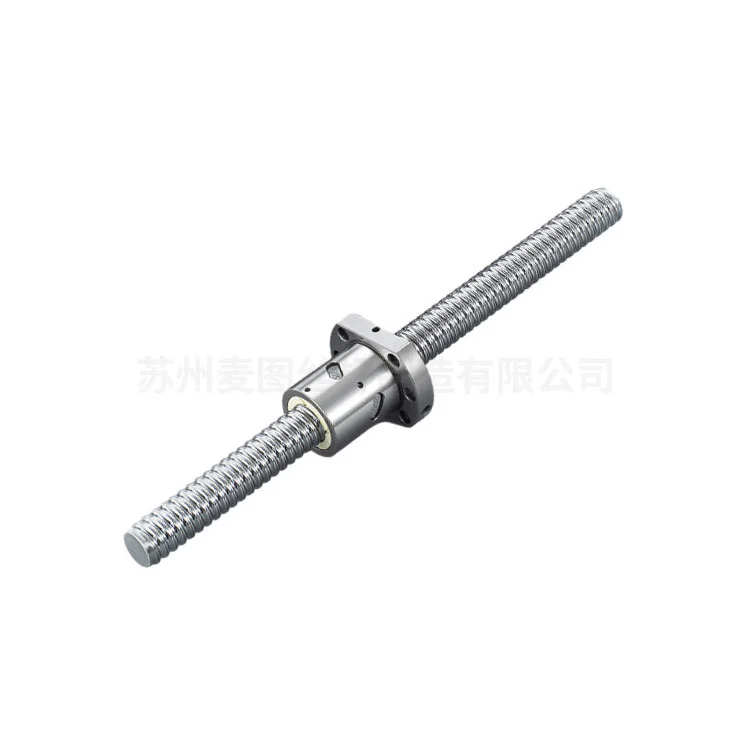
How to Optimize Rolled Ball Screws for Precision Applications?
Rolled Ball Screws play a critical role in modern machinery, enabling high precision, efficient motion transfer, and durability. This guide provides an in-depth exploration of rolled ball screws, their technical specifications, common questions, and best practices for application optimization. By understanding detailed parameters and industry insights, engineers and technicians can maximize performance while reducing maintenance challenges.
 22 2025-12
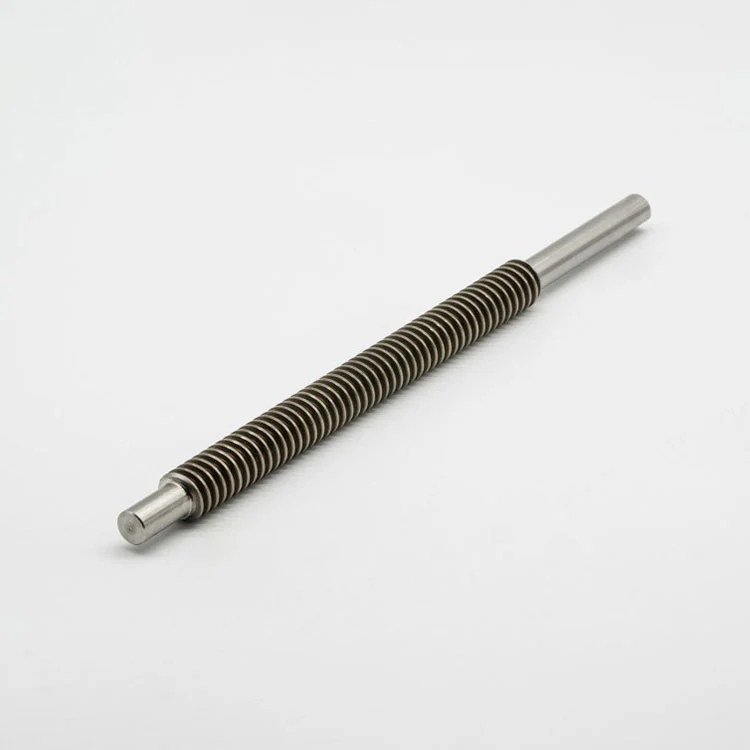
How Is the Acme Trapezoidal Screw Used Across Industrial Motion Systems?
Acme Trapezoidal Screws play a critical role in linear motion transmission across industrial automation, mechanical equipment, and precision positioning systems. This article provides a detailed, technically grounded explanation of how Acme Trapezoidal Screws are structured, specified, and applied in real-world engineering environments. The discussion centers on design principles, dimensional parameters, load behavior, material options, manufacturing standards, and long-term development directions. Frequently asked technical questions are addressed in a concise question-and-answer format to clarify common engineering concerns. The content is structured to meet professional reading habits and global search engine optimization standards.