

Industry News
In this part, we will share more information about our products and some knowledge in our industry. Welcome to contact us.
 11 2025-12
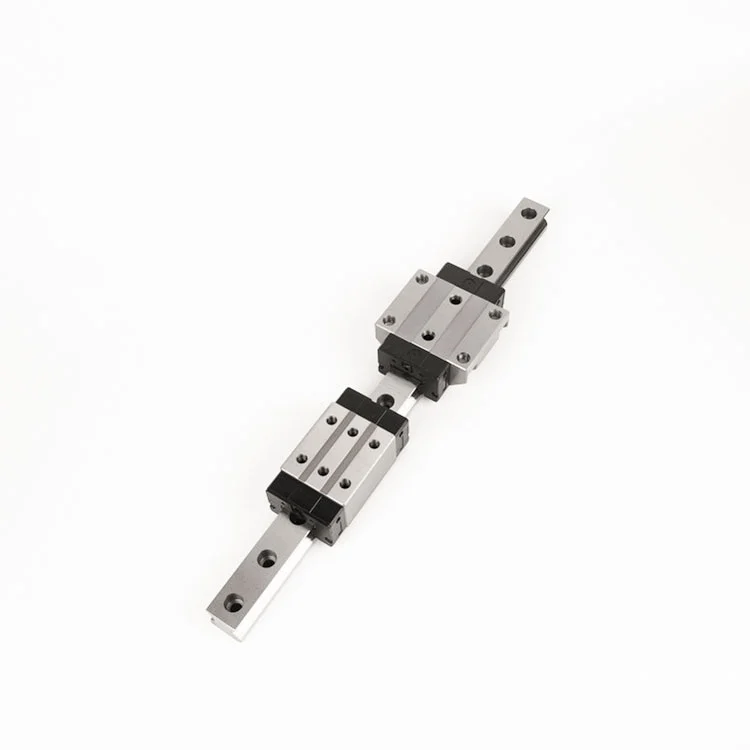
Why Are Linear Motion Components Critical in CNC Machines?
Linear motion components are at the heart of CNC machine performance, dictating precision, speed, and reliability.
 08 2025-12
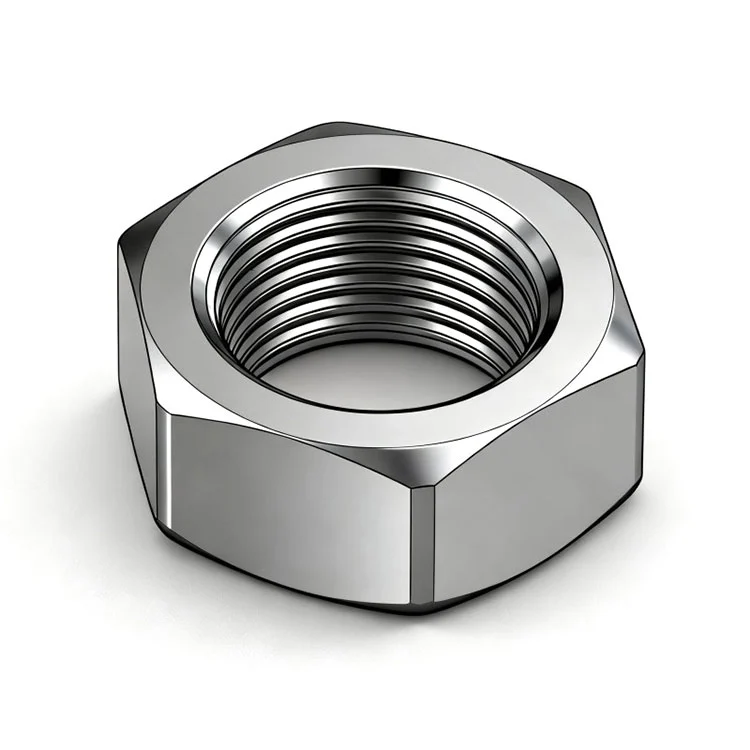
Why Are Metric Screw Studs Reshaping Industrial Fastening Solutions?
Metric screw studs have become one of the most widely adopted fastening components across mechanical engineering, automotive manufacturing, construction systems, and precision equipment. These threaded rods—featuring a male thread on both ends or across the entire length—offer stability, alignment accuracy, and load-bearing capability that outperform many traditional fastening methods. As global industries move increasingly toward high-precision assembly and modular structures, the demand for robust metric fastening solutions continues to grow.
 24 2025-11
What is a stainless steel screw?
The raw material of stainless steel screws is usually quenched and tempered steel. Although alloy steel is relatively more reliable, the cost is high. Many domestic companies usually use 45# steel quenching and tempering or 40Cr as the first choice of raw materials. Some people also use stainless steel (200, 201, 303, 304, 316), especially fine multi-head screws.
 24 2025-11
Basic dimensions of trapezoidal screw pitch: key to selection, understand the standards and applications in one article
The basic size of the trapezoidal screw pitch is a key parameter that determines transmission efficiency, accuracy and load capacity, and directly affects the overall performance of the equipment. This article will analyze in detail the basic size standards, selection logic and application scenarios of trapezoidal screw pitch, helping companies and engineers quickly lock in adaptation solutions.
 24 2025-11
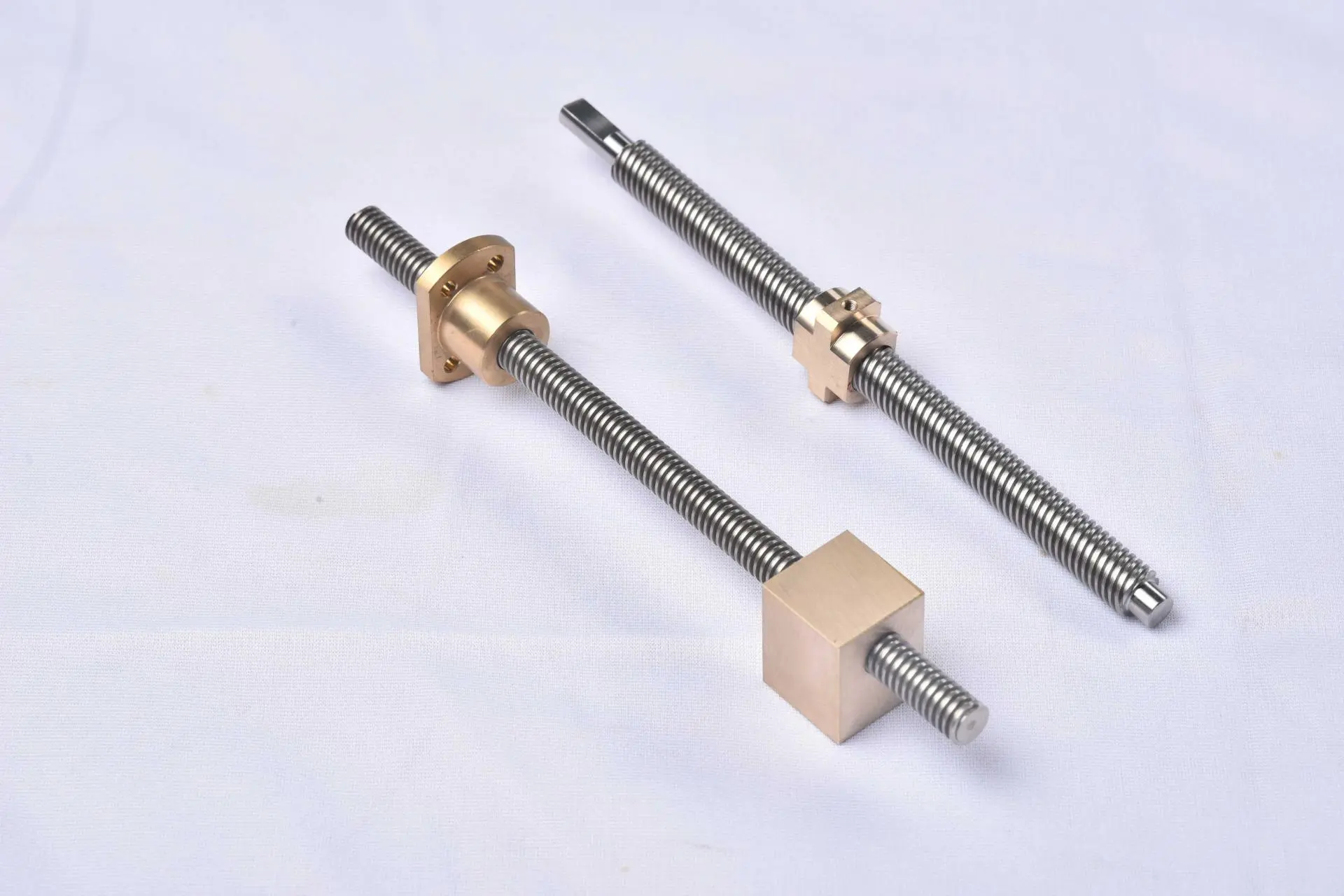
Detailed explanation of the difference between trapezoidal screw and ball screw. It is enough to read this article.
Trapezoidal screws and ball screws often cause many buyers and engineers to get entangled in selection: What are the core differences between the two? Which one is more suitable for your own equipment needs? Today's article will give you a comprehensive analysis of the differences between trapezoidal screws and ball screws from key dimensions such as structure, performance, and application, and help you quickly choose the right product!