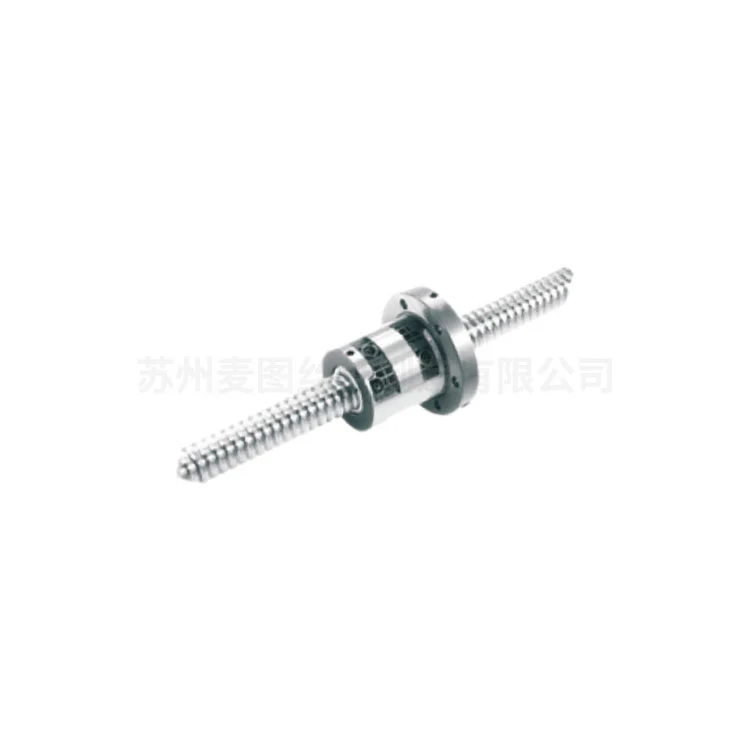
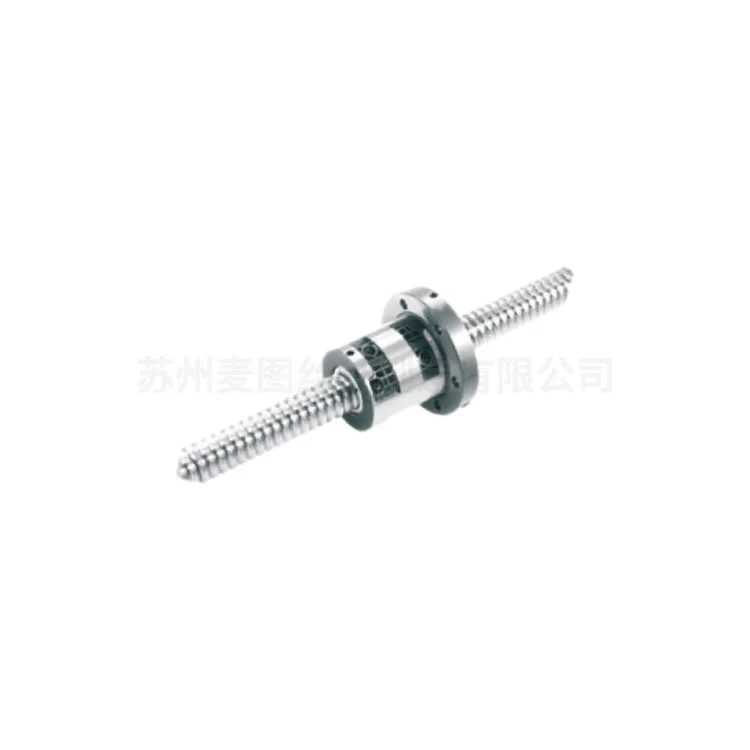
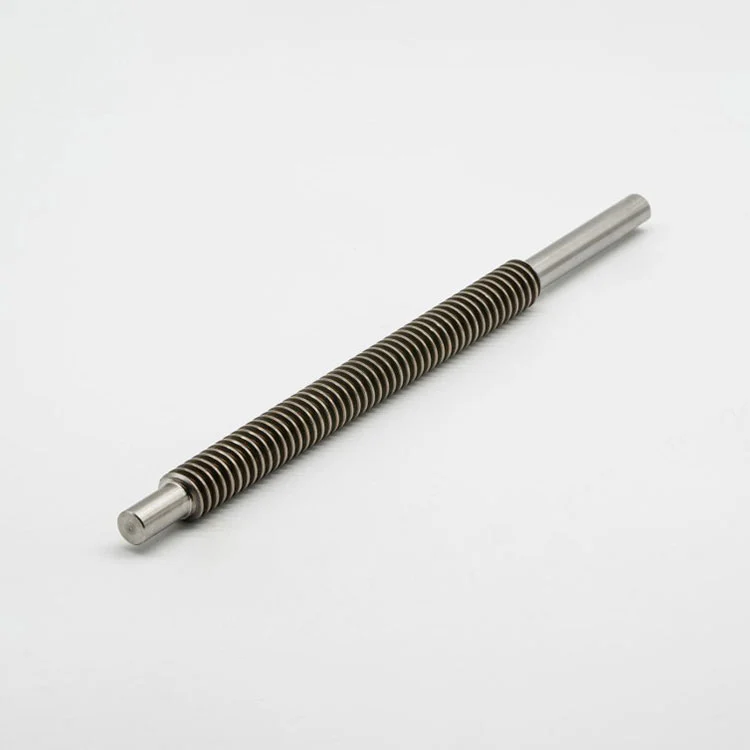
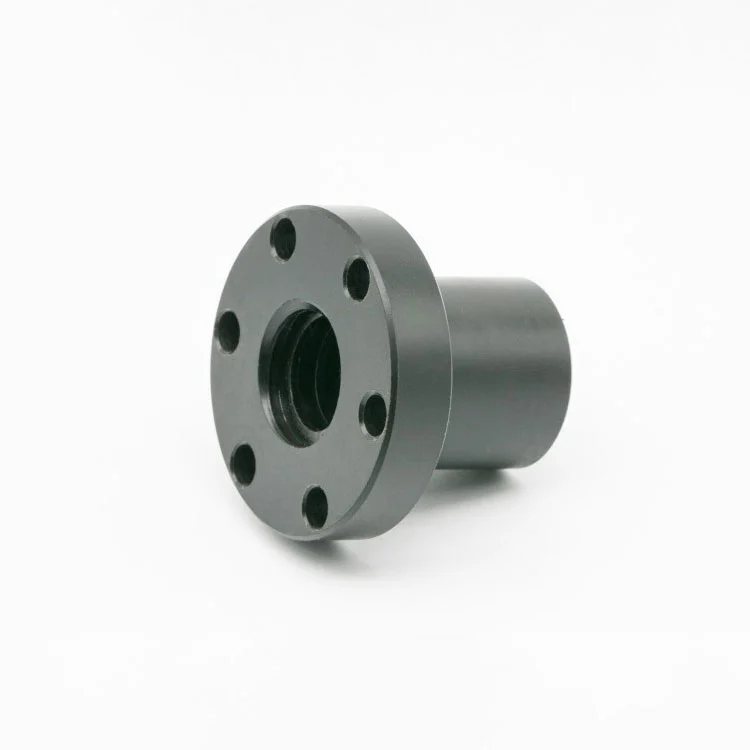
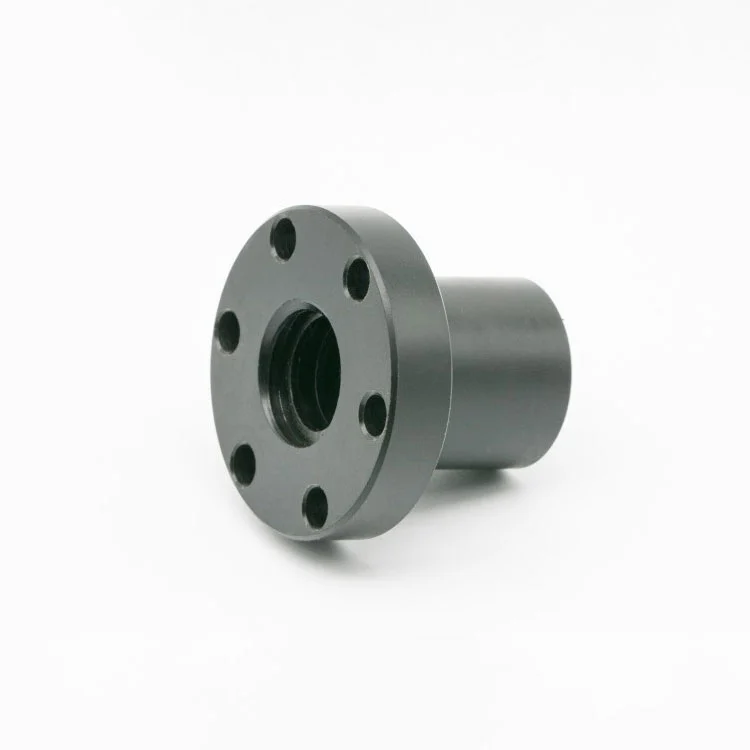
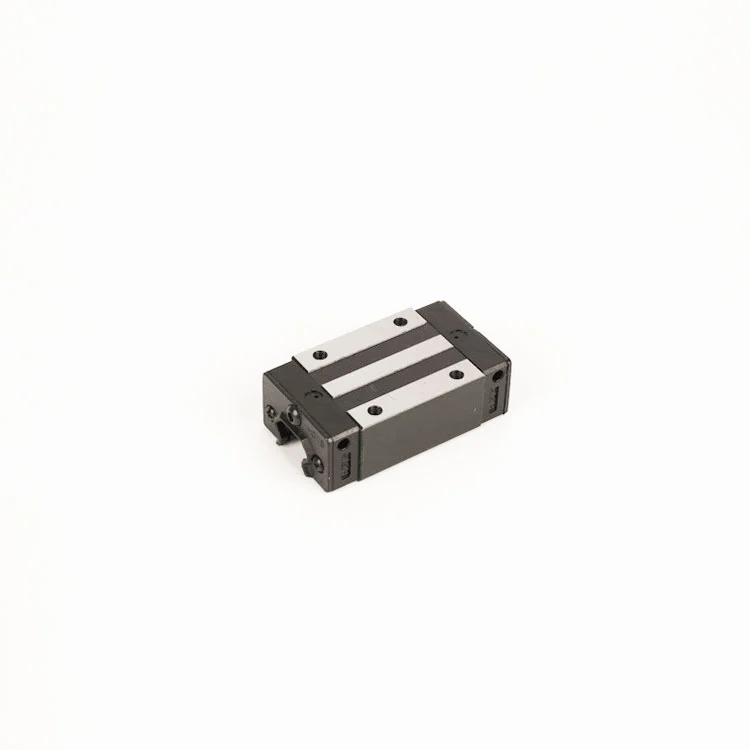
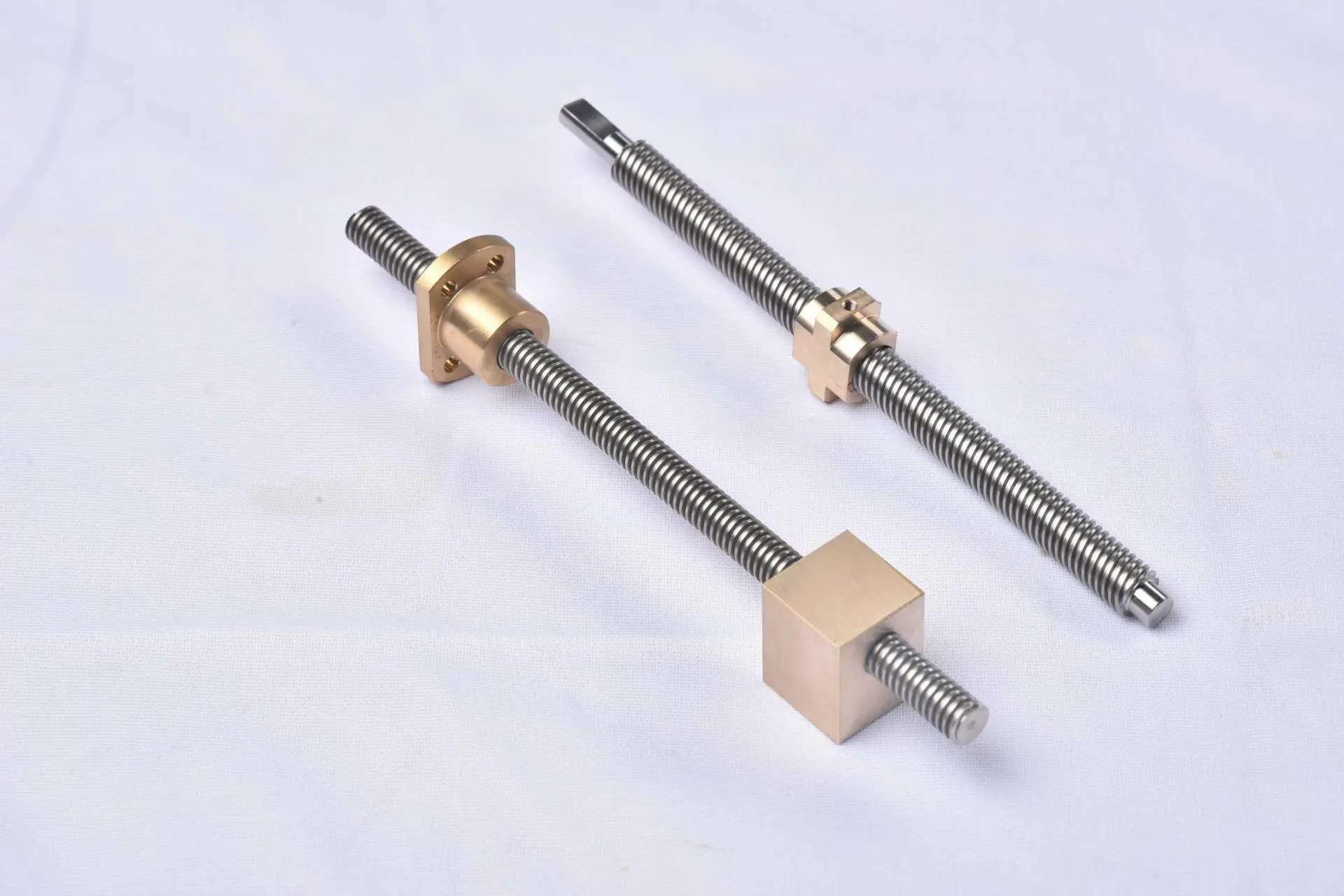
The raw material of stainless steel screws is usually quenched and tempered steel. Although alloy steel is relatively more reliable, the cost is high. Many domestic companies usually use 45# steel quenching and tempering or 40Cr as the first choice of raw materials. Some people also use stainless steel (200, 201, 303, 304, 316), especially fine multi-head screws.
Materials used by MISUMI Co., Ltd.: (1) Rolled ball screw: The screw shaft is made of S55C (equivalent to national standard 55 steel), high-frequency quenching: 56-62HRC; the nut is made of SCM420 (equivalent to 20CrMo), carburized and quenched: 58-62HRC
(2) Precision ball screw: The screw shaft is made of SCM415 (equivalent to 15CrMo) carburizing and quenching: 58-62HRC; the nut is made of SCM420 (equivalent to 20CrMo), carburizing and quenching: 58-62HRC.
The corrosion resistance of stainless steel decreases with the increase of carbon content. Therefore, the carbon content of most stainless steel is low, with a maximum of no more than 1.2%. The Wc (carbon content) of some steels is even lower than 0.03% (such as 00Cr12). The main alloying element in stainless steel is Cr (chromium). Only when the Cr content reaches a certain value, the steel will have corrosion resistance. Therefore, stainless steel usually has a Cr (chromium) content of at least 10.5%. Stainless steel is also rich in Ni, Ti, Mn, N, Nb, Mo, Si, Cu and other elements.
Stainless steel is often divided into the following points according to its arrangement: 1. Austenitic-ferritic (duplex) stainless steel, 2. Ferritic steel, 3. Austenitic steel, 4. Precipitation hardening stainless steel, 5. Martensitic steel, etc. In addition, (divided according to composition: chromium stainless steel, chromium-nickel stainless steel and chromium-manganese-nitrogen stainless steel, etc.).
1. Austenitic and ferritic (duplex) stainless steel: It has the advantages of both austenitic and ferritic stainless steel and has superplasticity. Austenitic and ferritic structures each account for about half of stainless steel. In the case of low C content, the Cr content is 18%~28% and the Ni content is 3%~10%. Some steels are also rich in alloying elements such as Mo, Cu, Si, Nb, Ti, and N. This type of steel has the characteristics of both austenitic and ferritic stainless steel. Compared with ferrite, it has higher plasticity and toughness, no room temperature brittleness, and significantly improved intergranular corrosion resistance and welding performance. At the same time, it also maintains the 475°C brittleness of ferritic stainless steel, high thermal conductivity, and superplasticity. Compared with austenitic stainless steel, it has high strength and significant improvement in resistance to intergranular corrosion and chloride stress corrosion. Duplex stainless steel has excellent pitting corrosion resistance and is also a nickel-saving stainless steel.
2. Ferritic stainless steel: containing 12% to 30% chromium. Its corrosion resistance, toughness and weldability improve with the increase of chromium content, and its chloride stress corrosion resistance is better than other types of stainless steel. Belonging to this category are Crl7, Cr17Mo2Ti, Cr25, Cr25Mo3Ti, Cr28, etc. Due to its high chromium content, ferritic stainless steel has relatively good corrosion resistance and anti-oxidation properties, but poor mechanical properties and process performance. It is mostly used in acid-resistant structures with little stress and as anti-oxidation steel. This type of steel can resist corrosion from the atmosphere, nitric acid and salt water solutions, and has good high-temperature oxidation resistance and small thermal expansion coefficient. It is used in nitric acid and food factory equipment, and can also be used to manufacture parts that work at high temperatures, such as gas turbine parts.
3. Austenitic stainless steel: containing more than 18% chromium, and also rich in chromium About 8% of nickel and a small amount of molybdenum, titanium, nitrogen and other elements. It has good comprehensive performance and can withstand corrosion from various media. Commonly used trademarks of austenitic stainless steel include 1Cr18Ni9, 0Cr19Ni9, etc. The Wc of 0Cr19Ni9 steel is <0.08%, and the steel number is marked as "0". This type of steel is rich in Ni and Cr, making the steel in an austenitic state at room temperature. This type of steel has good plasticity, toughness, weldability, corrosion resistance and non-magnetic properties. It has good corrosion resistance in both oxidizing and reducing media. It is used to manufacture acid-resistant equipment, such as corrosion-resistant containers and equipment fabrics, transportation pipelines, nitric acid-resistant equipment parts, etc. In addition, it can also be used as the main material of stainless steel wall clock jewelry. Austenitic stainless steel usually adopts solution treatment, that is, the steel is heated to 1050~1150℃, and then water-cooled or air-cooled to obtain a single-phase austenite structure.
4. Deposition hardening stainless steel: The matrix is austenite or martensite structure. Common trademarks of deposition hardening stainless steel include 04Cr13Ni8Mo2Al, etc. It can harden (strengthen) stainless steel through deposition hardening (also called age hardening) treatment.
5. Martensitic stainless steel: high strength, but poor plasticity and weldability. Commonly used trademarks of martensitic stainless steel are 1Cr13, 3Cr13, etc. Because of its high carbon content, it has high strength, hardness and wear resistance, but slightly poor corrosion resistance. It is used in some parts with high mechanical performance requirements and general corrosion resistance requirements, such as springs, turbine blades, hydraulic press valves, etc. This type of steel is used after quenching and tempering.
We use cookies to offer you a better browsing experience, analyze site traffic and personalize content. By using this site, you agree to our use of cookies. Privacy Policy